Bergrutsch am Hirschkopf, Nature reserve in Mössingen, Germany
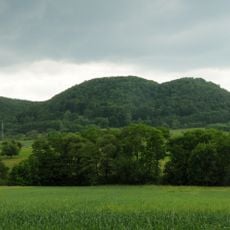
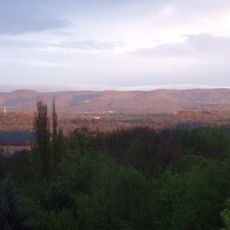
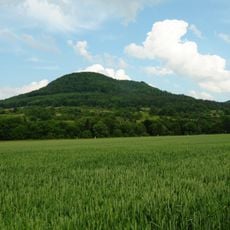
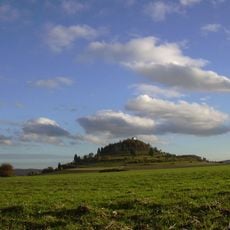
Bergrutsch am Hirschkopf is a nature reserve near Mössingen covering over 39 hectares, shaped by a major landslide. The area displays distinct vegetation zones and geological layers created by erosion of the Swabian Alps.
In April 1983, a massive landslide at Hirschkopf displaced approximately 6 million cubic meters of material. The area received protected status in 1988 because of this dramatic geological event.
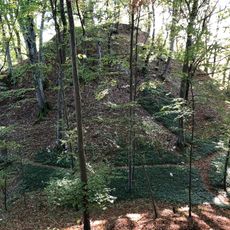
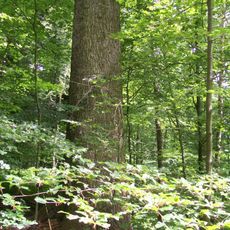
The landslide area is divided into four visible zones: the new steep wall with sagging blocks, a wooded strip crossing the slope, the initially bare scree field known as the "Kieswüste", and the pushed-together forest at the sliding tongue. In the first summer of 1983, small ponds formed in the depressions of the stone desert, fed by surface water.
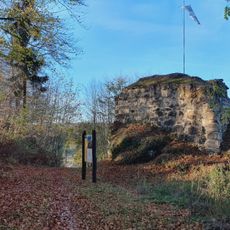
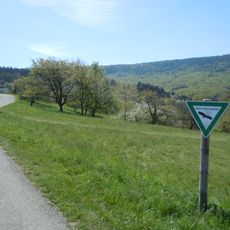
The reserve lies about two kilometres west of Mössingen's Talheim district, on the Albtrauf slope. The landslide area itself is a protected biological null zone, so visitors should stay on marked paths and outside the fenced-off terrain; the loose scree, crevices and rock faces remain unstable. The site is part of the Dreifürstenstein protected forest and the wider Albrand landscape area.
The area hosts rare species like the yellow-bellied toad and peregrine falcon that colonized it after the landslide. These animals rely on the unusual conditions created by the ground movement.
The community of curious travelers
AroundUs brings together thousands of curated places, local tips, and hidden gems, enriched daily by 94,381 contributors worldwide.