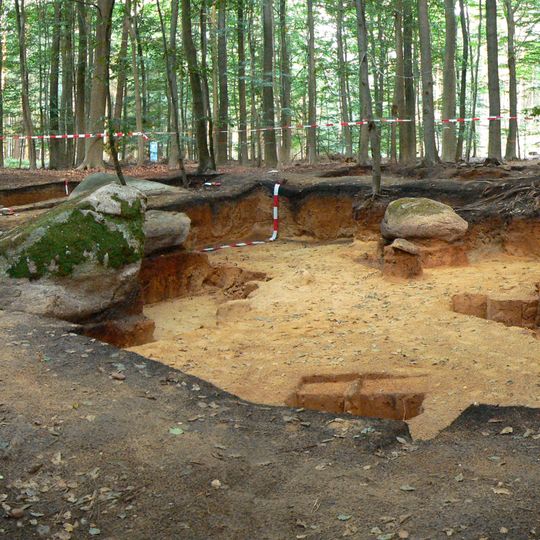
Linsburg megalithic tomb, Megalithic tomb in Linsburg, Germany.
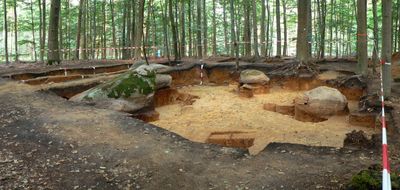
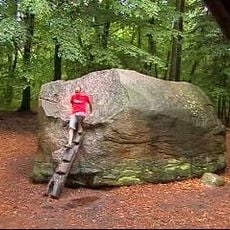
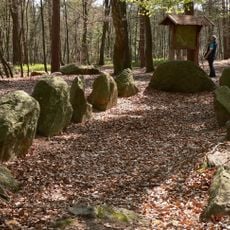
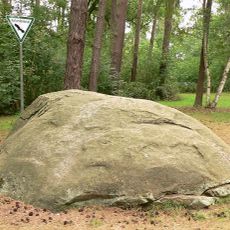
Linsburg megalithic tomb is a stone chamber burial built from massive blocks fitted together to form an inner grave chamber. The structure uses both glacial erratics and locally quarried stones to create a hollow space that once held multiple burials.
The tomb was built during the Neolithic period between 3500 and 2000 BCE as a signature structure of the Funnelbeaker culture. These early farming societies in northern regions created this groundbreaking form of communal grave that served multiple generations.
The arrangement shows how early farming communities in the region buried their dead together in shared tombs, moving stones from distant locations. This construction method reflects the unity of village groups who worked together to build such demanding monuments.
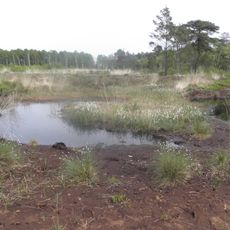
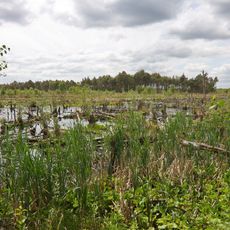
The tomb sits in open countryside and is reachable on foot but demands sturdy footwear because the ground tends to be wet and soft. The site offers little shelter from weather, so layered clothing and a flashlight for viewing the interior are useful to bring.
The inner chamber was originally covered by an earth mound that eroded over centuries, gradually exposing the stone skeleton beneath. Today visitors see mostly naked stones, but traces of the former mound remain visible in the surrounding terrain.
The community of curious travelers
AroundUs brings together thousands of curated places, local tips, and hidden gems, enriched daily by 91,439 contributors worldwide.