Enckekaserne, Former artillery barracks in Magdeburg, Germany
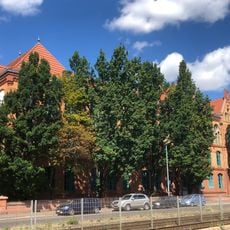
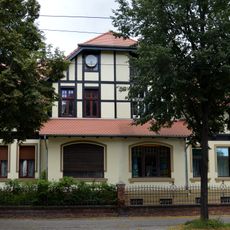
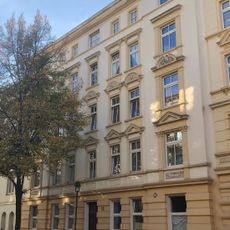
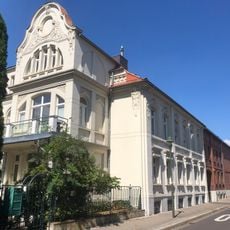
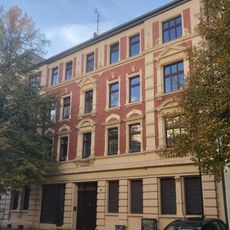
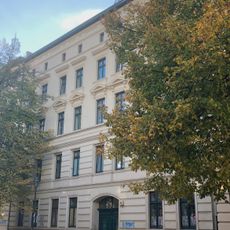
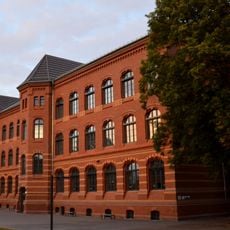
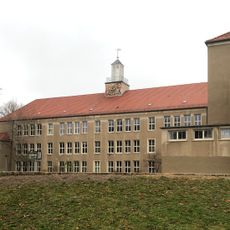
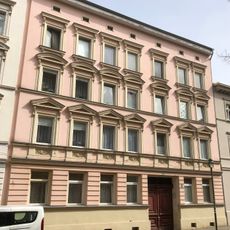
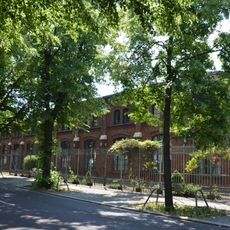
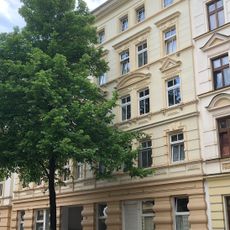
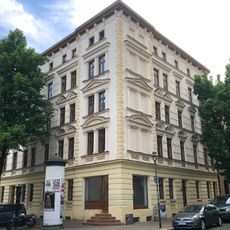
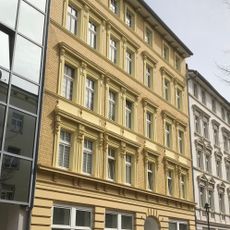
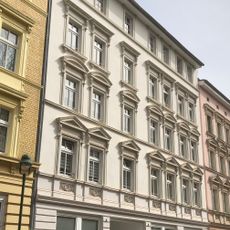
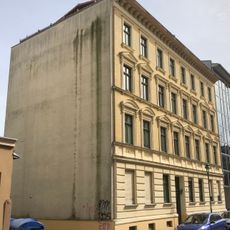
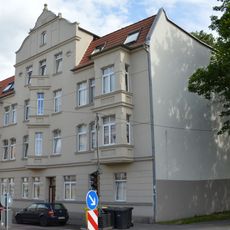
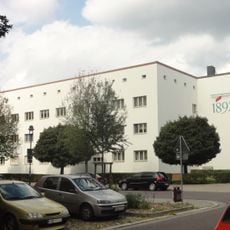
Enckekaserne is a complex of three to four-story plastered buildings arranged around a central courtyard with hipped roofs and carefully detailed window patterns. Each building follows the same design principles with regular spacing and consistent architectural elements.
The barracks was built in 1912/13 to plans by government master builder Endert on the site of the former Fort IV of Magdeburg fortress, and was named after the Prussian lieutenant general August Encke. It garrisoned the Fußartillerie-Regiment "Encke" (Magdeburgisches) Nr. 4, which had been fully stationed in Magdeburg since 1889; the regiment moved to Halberstadt after World War I and was disbanded there in 1919. From 1921 the Reichswehr used the site, and from 1946 the staff of the Soviet 3rd Shock Army (from 1954 3rd Army) was based here until its withdrawal in 1991.
The name honours Prussian Lieutenant General August Encke, after whom the Fußartillerie-Regiment "Encke" (Magdeburgisches) Nr. 4 was also named; the regiment had been fully stationed in Magdeburg since 1889. Between the barrack blocks stand smaller two-storey economic buildings, and on the west side a separate small barracks housed the Bespannungs-Abteilung, the horse-drawn transport unit, with its riding ground, riding hall and stables to the north.
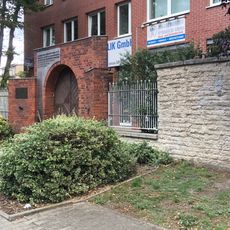
The buildings have been converted into residences, and public transportation serves the site via the An der Enckekaserne bus stop nearby. The complex forms a closed courtyard, best viewed from the perimeter rather than accessing the interior.
From 1946 the staff of the Soviet 3rd Shock Army was based here, renamed the 3rd Combined Arms Army in 1954. The Soviet troops only left in 1991 under the Two Plus Four Agreement. The former drill ground then lay fallow and became overgrown with large trees before most buildings were converted to flats.
The community of curious travelers
AroundUs brings together thousands of curated places, local tips, and hidden gems, enriched daily by 94,644 contributors worldwide.