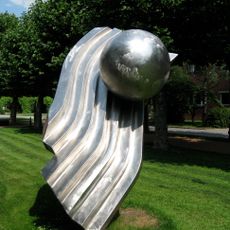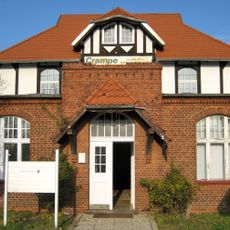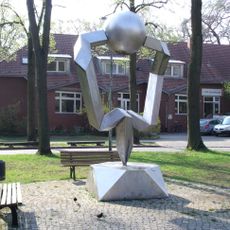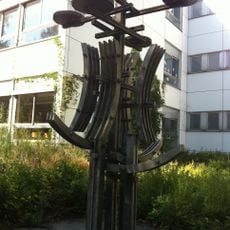
Waldsiedlung Hakenfelde, Garden city monument in Hakenfelde, Spandau, Germany.
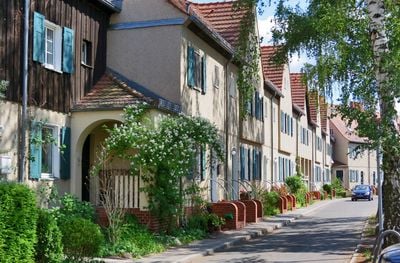
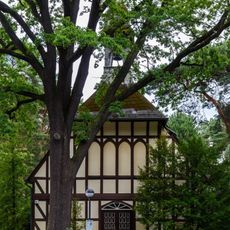
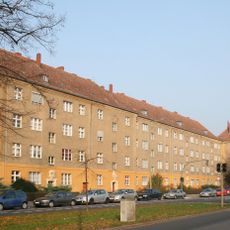
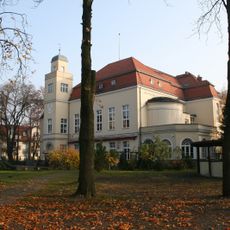
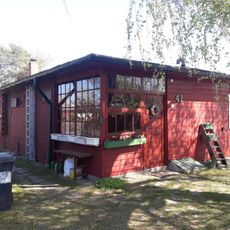
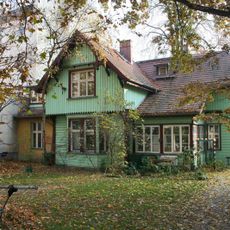
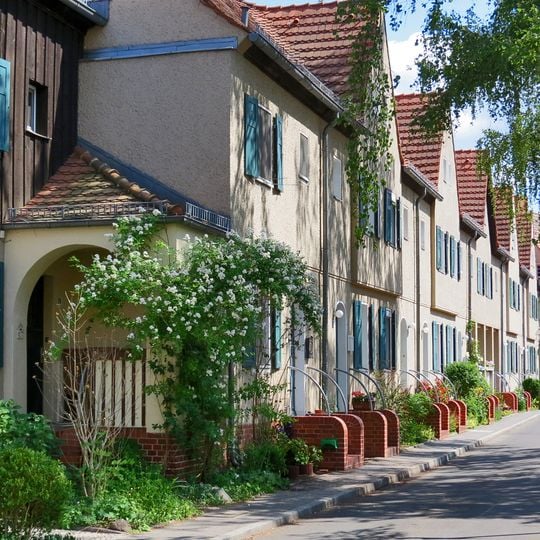
Waldsiedlung Hakenfelde is a residential settlement with single-family homes and individual gardens organized in a fine-meshed network of pedestrian-oriented streets. The area comprises around 250 houses with characteristic gabled roofs and continuously green plots that define the overall character of an early garden city.
The settlement began construction in 1914 to address housing shortages for workers in Spandau's industrial sector, with around 250 houses completed by 1919. Over the following decades, the area developed into a self-contained residential quarter with a stable built structure.
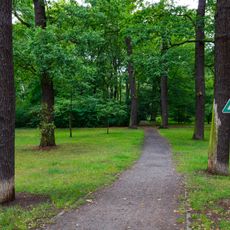
The neighborhood embodies garden city principles through its green courtyards and the direct connection between houses and private gardens that shape the area today. The steep-pitched roofs and tree-lined streets create a distinctive living character that stands apart from the rest of Spandau.
The area connects to central Spandau through bus lines, while car traffic remains limited due to narrow streets and few parking spaces. Walking through the streets is the best way to experience the neighborhood's layout and garden spaces.
The first construction phase received protected monument status in 1986, documenting one of Berlin's few surviving examples of early garden city development. This early protection reflects how forward-thinking planners viewed this housing model as social innovation.
The community of curious travelers
AroundUs brings together thousands of curated places, local tips, and hidden gems, enriched daily by 90,980 contributors worldwide.