Klinikum Prenzlauer Berg, Municipal hospital and heritage site in Prenzlauer Berg, Germany.
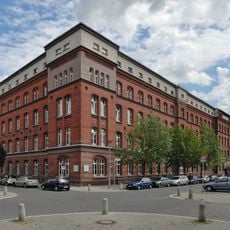
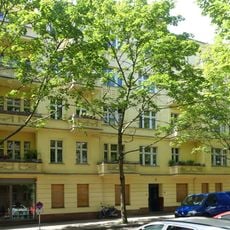
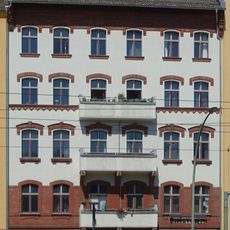
Klinikum Prenzlauer Berg is a hospital building in Berlin distinguished by its yellow brick facades and classical architectural style characteristic of late 19th-century German medical design. The complex comprises several interconnected structures that were originally built for different purposes before being repurposed and adapted into a healthcare facility.
The complex was established in 1886 and initially operated as Berlin's largest homeless shelter before being converted into a hospital in 1940. This transformation reflected Berlin's shifting healthcare needs during those turbulent decades.
The hospital has served Berliners for generations as a place of healing, and its buildings show how medical care and patient support have changed over time. The layout and design choices reflect shifting ideas about what a modern healthcare facility should be.
The site remains an active healthcare facility, so visiting hours and restricted areas must be respected to avoid disrupting medical operations. Checking current access guidelines beforehand is advisable, as entry policies may vary depending on the facility's operational status.
During the coronavirus pandemic, the building was temporarily reopened to serve as an emergency clinic, reconnecting it with its role as an emergency and intake facility in previous eras. This showed how a historic structure could be swiftly reactivated for its original purpose during times of crisis.
The community of curious travelers
AroundUs brings together thousands of curated places, local tips, and hidden gems, enriched daily by 90,859 contributors worldwide.