Die Palme, Cultural heritage complex in Prenzlauer Berg, Germany.
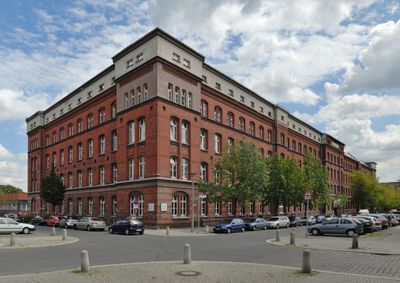
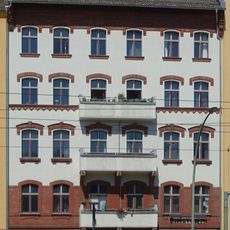
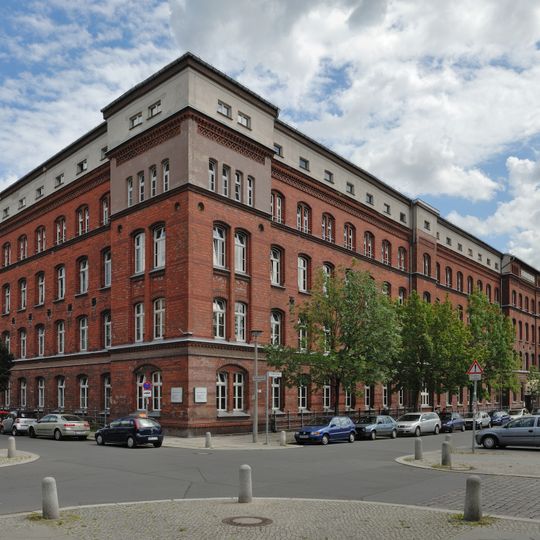
Die Palme is a compound of red and yellow brick buildings forming an interconnected complex in northeastern Berlin. The facility originally included around 40 dormitories for single individuals plus separate family areas, providing shelter and meals to people experiencing homelessness.
Architects Hermann Blankenstein and Vinzent Dylewski designed this municipal shelter in 1886, initially serving as both a hospital and lodging facility. The site became a central part of Berlin's social welfare infrastructure and continues to define the neighborhood.
The complex shows how social support was organized at the turn of the 20th century, with different sections designed for various groups. The separation between single occupants and families remains visible in the building layout today.
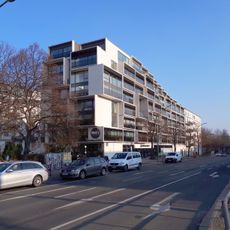
The complex is located in Pankow and accessible from several streets, making it convenient to reach by public transport. The buildings can be viewed from the outside, and the architectural design is clearly visible from street level.
The name comes from a decorative palm tree that once stood at the entrance, making the complex a recognizable landmark in Berlin's social services landscape. This unusual naming feature for such a serious social institution shows how people once identified buildings through everyday visual markers.
The community of curious travelers
AroundUs brings together thousands of curated places, local tips, and hidden gems, enriched daily by 60,000 contributors worldwide.