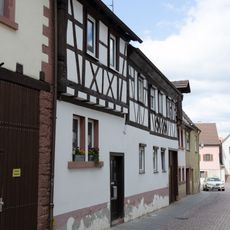
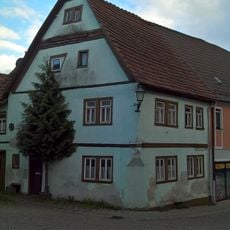
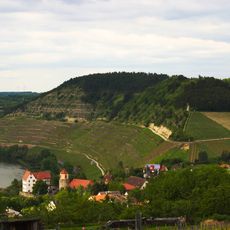
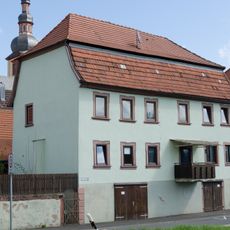
Paper Mill Homburg, Paper museum in Triefenstein, Germany.
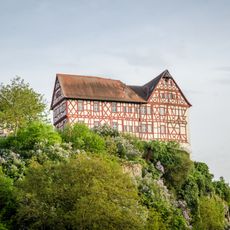
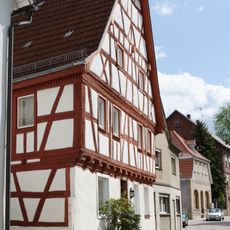
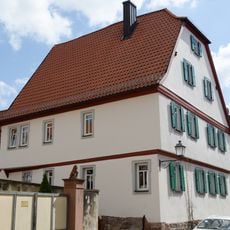
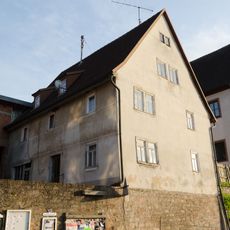
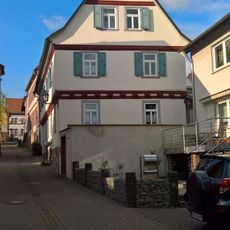
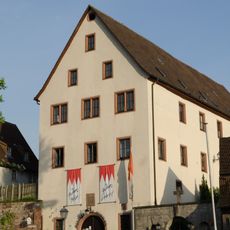
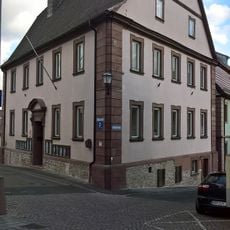
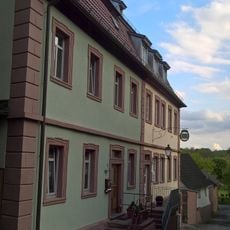
The Paper Mill Homburg is a two-story half-timbered building with a stone extension dating from the 1800s, located beside the Bischbach river. The site contains exhibits displaying historical machinery, tools, and the equipment used throughout different stages of paper production.
Leonhard Leinziger founded the mill in 1807 at its current location by the river after moving from Windheim to access better water power. Over time, it became an important center for paper production in the local region.
Until the mid-19th century the mill made paper from linen, hemp and cotton rags collected by rag pickers and sorted, washed and shredded here. Women did the sorting, exposed to anthrax, typhus and cholera, so infected cloth was burned under health regulations. A surviving 1853 calculation book of owner Johann Follmer lists writing, printing, packing and tobacco papers.
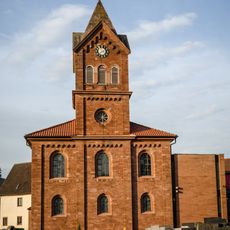
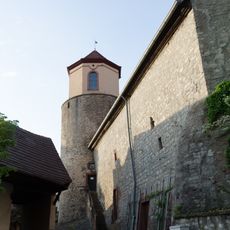
The museum occupies the 1807 main building, whose entrance sits in the high basement; a covered passage on the upper floor of the 19th-century quarry-stone outbuilding links to it. The waterwheel still feeds 4.5 kilowatts into the public grid and drives the machinery during demonstrations. The outbuilding hosts changing exhibitions and celebrations.
The waterwheel no longer drives papermaking machinery: it now runs a generator that feeds 4.5 kilowatts into the public grid, and only turns the old equipment during museum demonstrations. The mill race ends just above the wheel, where a channel reverses the water's flow so it drives the iron wheel from below.
The community of curious travelers
AroundUs brings together thousands of curated places, local tips, and hidden gems, enriched daily by 94,035 contributors worldwide.