Dachau Plantation, Experimental farm site in Dachau, Germany
Dachau Plantation is a former experimental station with greenhouses, research buildings, and extensive cultivation areas spanning multiple hectares. The site retains original structures from the period when it operated as an agricultural facility.
The facility was established in 1938 by the SS as an experimental station where concentration camp prisoners were forced to work under brutal conditions. It served to research and cultivate various plant species for the Nazi war economy.
The name "Kräutergarten" was a euphemism for a facility run by the SS's Deutsche Versuchsanstalt für Ernährung und Verpflegung under Heinrich Vogel. Its research covered vitamin C from gladiolus bulbs, "German tea", mineral waters and troop rations; from 1940 Himmler ordered biodynamic trials. Prisoner Augustin Hessing's work with earthworms to improve soil and humus was the most substantial result of seven years of research.
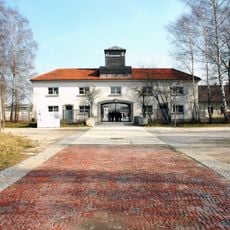
The site lies east of the old Roman road and the Würm, within what is now the Dachau East industrial area; the grounds were drained marshland and are not a museum. The core was two long pitched-roof buildings of 140 metres with a courtyard and entrance building, plus seven greenhouses. The surviving pale-yellow plastered building with its brick chimney and the ruined wooden shed beside it stand in tall grass.
A specialized collection of botanical drawings was created here, made by prisoners who worked as illustrators under SS supervision. These artistic works document a disturbing blend of scientific work and captivity.
The community of curious travelers
AroundUs brings together thousands of curated places, local tips, and hidden gems, enriched daily by 94,362 contributors worldwide.