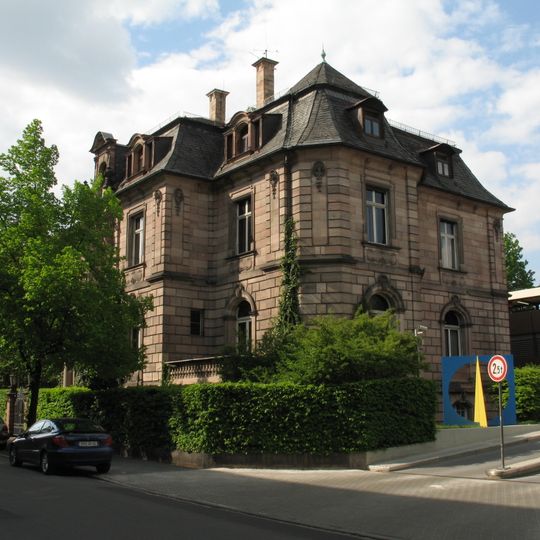
Kunstvilla, Municipal museum in Marienvorstadt, Nuremberg, Germany
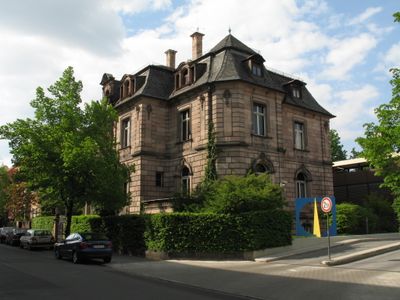
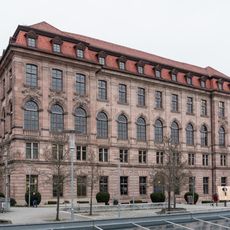
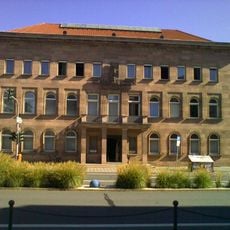
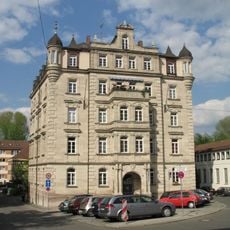
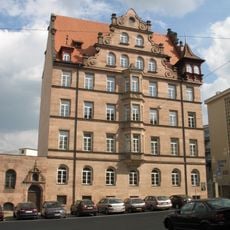
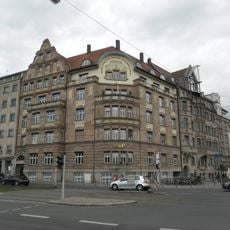
Kunstvilla occupies a two-storey neo-baroque merchant villa built in 1893–1895 by architects Heinrich Theodor Schmidt and Georg Richter, with a sandstone-clad facade, risalits, balconies and a mansard roof above a high basement. Since 23 May 2014 it has housed the city's museum of regional art, with roughly 600 square metres of exhibition space.
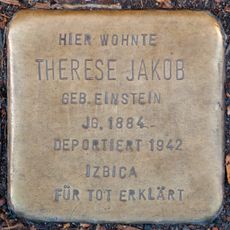
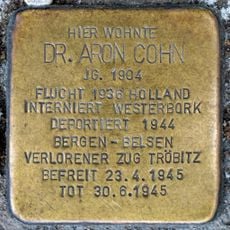
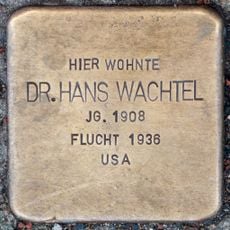
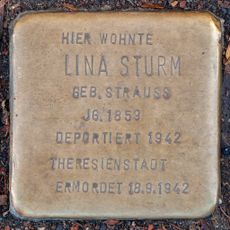
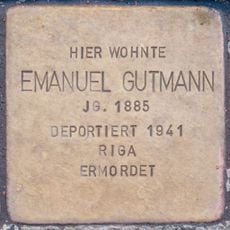
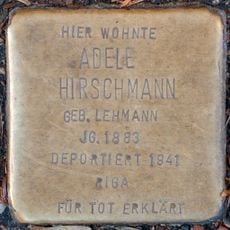
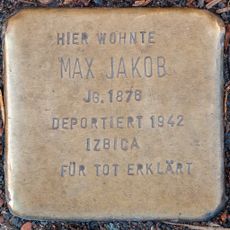
Built between 1893 and 1895 by architects Heinrich Theodor Schmidt and Georg Richter, the villa served from 1897 as the family seat of Jewish hop merchant Emil Hopf. Before his death in 1920 he sold it to the Grünfeld couple, who ran the Gesellschaft für Elektrometallurgie there and from 1932 let it as a pension. The Nazis expropriated it in 1934 and used it as a "Judenhaus" for the Ullmann family, deported after a failed escape attempt; from 1935 it also housed the Nuremberg road and river construction office.
The space displays works by artists from the region created from the early 1900s onward, documenting the artistic output of Nuremberg. Visitors encounter the different styles and approaches that shaped local creative practice.
The museum sits in a quiet residential area and is easily reached on foot from the center. Visitors should note that the rooms are compact, so larger groups might feel crowded.
The villa's preservation traces to 1972, when its listing as a monument blocked a 1974 plan to demolish it for a new publishing house headquarters. The building had stood largely empty since the 1980s until publisher Bruno Schnell gave it to the city in 2006.
The community of curious travelers
AroundUs brings together thousands of curated places, local tips, and hidden gems, enriched daily by 94,651 contributors worldwide.