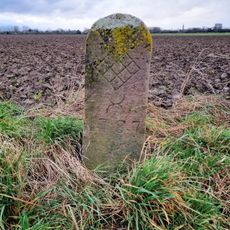
Naturschutzgebiet Glockenbuckel von Viernheim, Nature reserve in Viernheim, Germany
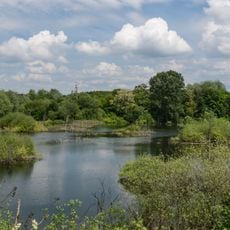
The Naturschutzgebiet Glockenbuckel von Viernheim is a 40.8-hectare reserve in the Hessisches Ried, made up of two rectangular open sand-dry grassland patches meeting at a corner, surrounded entirely by forest west of the A 6. Rare grass swards and scattered Scots pines dominate the slightly undulating sand soil; the Panzerweg along the edge is outside the protected area.
The area served as a tank training ground for US troops until 1994, which shaped the particular soil conditions found there today. This military use left an imprint on the landscape before it became protected.
The name Glockenbuckel comes from a 111-metre hill just outside the reserve, not from the dunes inside it; "Buckel" means a hump or knoll. The open sand is known locally as the Viernheimer Heide and has long served as a recreation area for Viernheim and the Mannheim conurbation. Visitors today see sheep, goats or donkeys grazing the open ground as part of the reserve's upkeep.
The area is accessible through marked paths where visitors can explore the dune while keeping away from sensitive zones. Staying on established trails protects the vegetation and ensures safe walking through the reserve.
Experts recorded over 500 beetle species and 190 spider species on the open sand, alongside 156 bee and wasp species, many of them on the Red List. The green bush-cricket and the Italian locust find some of their most important habitats in Hesse here. The Kreuzkröte, a heavily endangered toad, breeds in shallow, quickly warming pools.
The community of curious travelers
AroundUs brings together thousands of curated places, local tips, and hidden gems, enriched daily by 93,660 contributors worldwide.