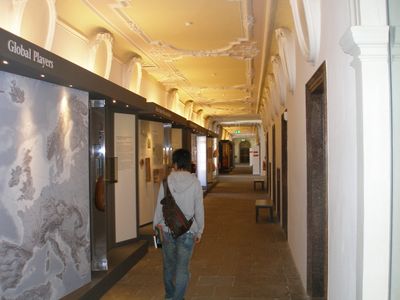
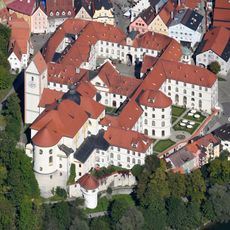
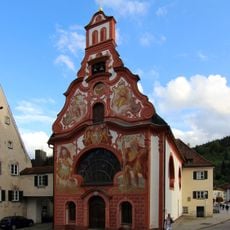
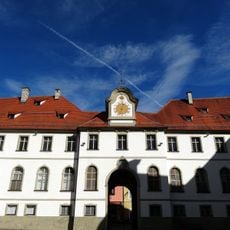
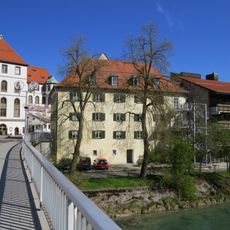
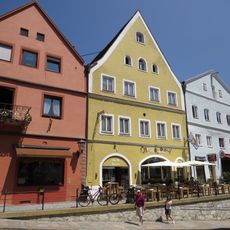
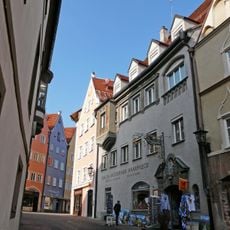
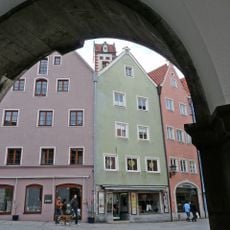
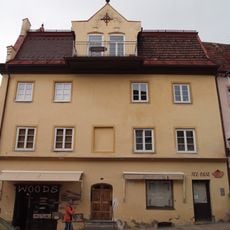
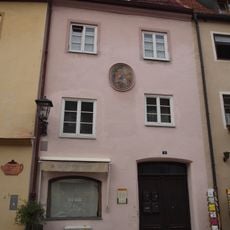
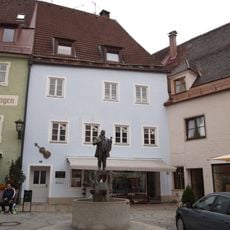
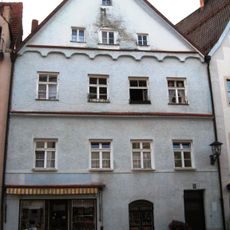
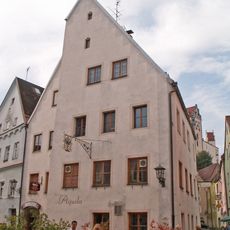
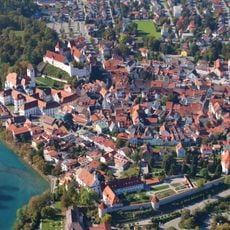
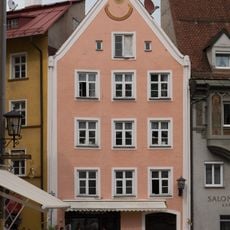
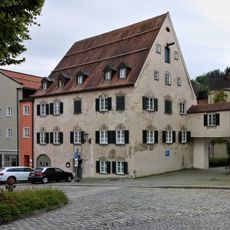
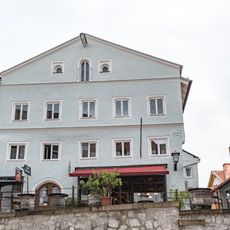
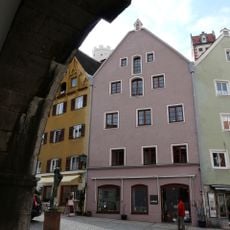
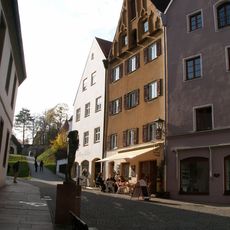
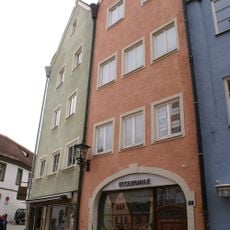
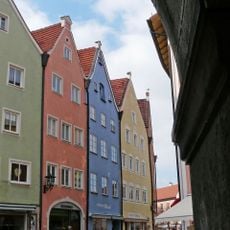
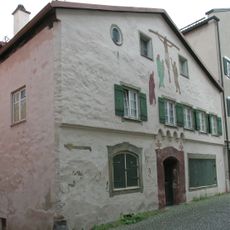
Füssen museum, City museum in St. Mang's Abbey, Füssen, Germany.
Füssen museum occupies the southern wing of the former St. Mang's Abbey and presents an extensive collection on city history and local crafts. Exhibition spaces spread across multiple floors linked by stone staircases and period architecture.
St. Mang's Abbey was founded in the 8th century and became a major religious center for the region. After it closed in 1802, the building changed hands several times until Füssen purchased it in 1909 to establish the museum.
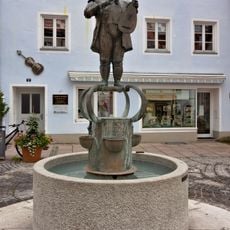
The collection shows how lute and violin making shaped Füssen's identity from the 1600s onward through original instruments and craftsmen's tools. This tradition remains central to how locals understand their town today.
The museum features paintings of the dance of death in the Anna Chapel, with guided tours available in German and English for more detailed information. Visitors should allow time for exploring multiple floors and be prepared to climb stone staircases.
The collection includes the preserved staff of Saint Magnus, an 8th-century Irish missionary who spread Christianity throughout the Allgäu region. This relic connects directly to the place's earliest origins and its religious importance.
The community of curious travelers
AroundUs brings together thousands of curated places, local tips, and hidden gems, enriched daily by 91,269 contributors worldwide.