Burg Rotenburg, Medieval castle in Rotenburg an der Wümme, Germany
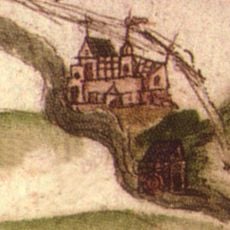
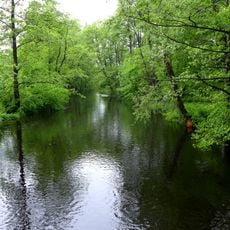
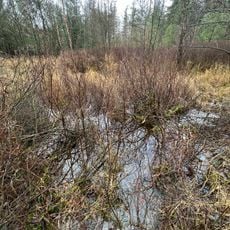
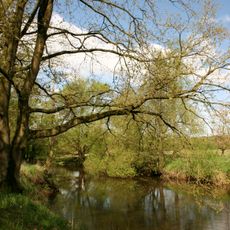
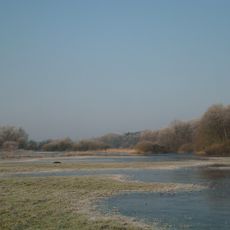
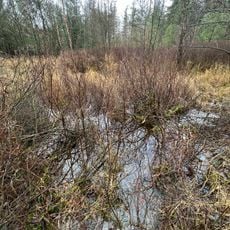
Burg Rotenburg is a former high medieval castle of the diocese of Verden, of which only a rubble mound on the raised castle square and the remains of the last fortification ditches in the east are visible today. The site lies on the Wümme in the marshy mouth area of the Rodau and Wiedau streams. Excavations in the gate area uncovered the 2.35 m thick walls of a tower about 14 m in diameter, already demolished when a massive rectangular building, probably a gatehouse, was built beside it.
Prince-Bishop Rudolf I of Verden founded the fortification in 1195 and laid the foundation for the future town that developed around it. It remained an important administrative center for centuries and influenced the region's political and economic development.
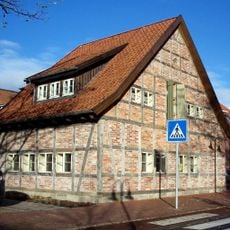
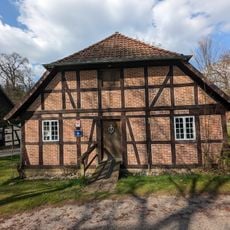
The bishops of Verden used the Rotenburg as a secondary residence, often staying here to avoid the influence of the cathedral chapter in Verden. The site later became a Swedish administrative office, and since 1954/55 a Low German hall house of 1779, moved onto the grounds, has housed the Rotenburg local history museum.
Only a rubble mound on the raised castle square and the remains of the last fortification ditches to the east survive; the site is open ground rather than a building with rooms. The Rotenburg Heimatmuseum, housed in a Low German hall house of 1779 moved onto the grounds in 1954/55, stands on the castle area. The Bischofshöhe, a steepened remnant of the fortifications, is also worth locating.
The castle site now holds a Low German hall house from 1779, moved there in 1954/55 to house the Rotenburg local history museum. Excavations in the gate area uncovered the 2.35 m thick walls of a tower about 14 m across, already demolished when a massive rectangular building, probably a gatehouse, was put up beside it.
The community of curious travelers
AroundUs brings together thousands of curated places, local tips, and hidden gems, enriched daily by 93,108 contributors worldwide.