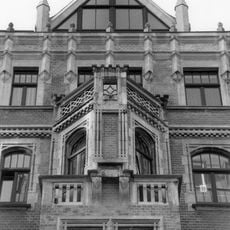
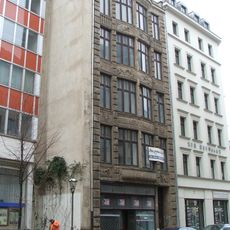
Fur trade district Brühl Leipzig, Historical fur trade district in Brühl, Leipzig, Germany.
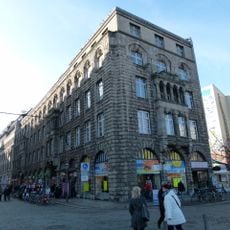
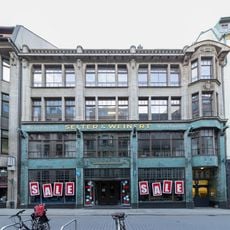
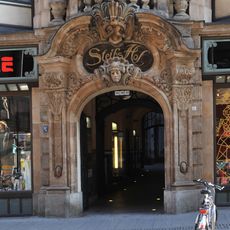
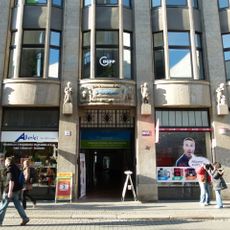
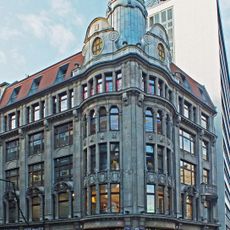
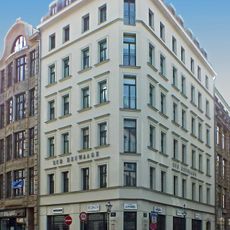
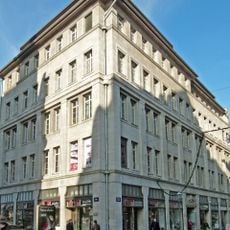
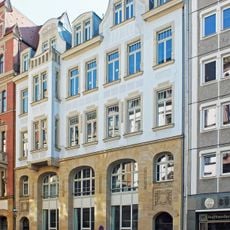
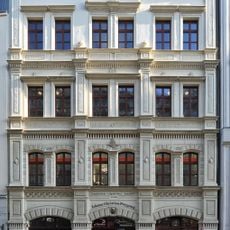
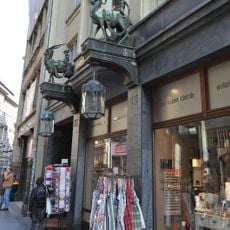
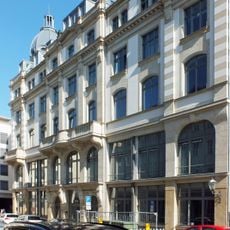
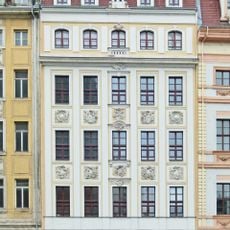
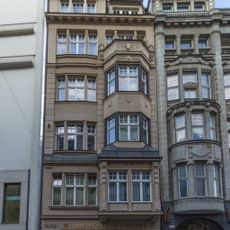
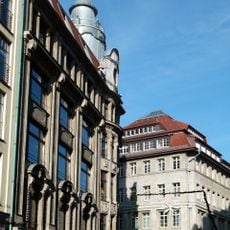
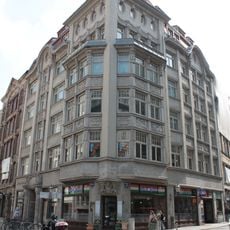
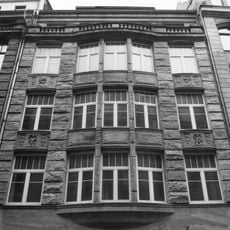
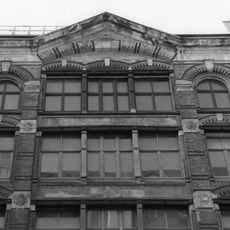
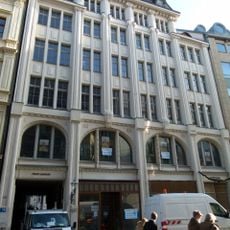
The fur trade district of Brühl in Leipzig is a collection of commercial buildings and warehouses that served the international fur business and shaped the city's character for centuries. The architecture displays both baroque palaces and functional trading structures built side by side.
Starting in 1530, the district became the center of European fur trade for roughly 400 years and at one point controlled about one-third of global commerce in this commodity. This dominance ended in the 1930s as political and economic conditions shifted dramatically.
The name Brühl was already linked to the fur trade in 1530, though when it became synonymous with Leipzig's fur centre has not been studied. The trade initially took place mainly at the Leipzig fairs, focusing on German, Russian and Hungarian products. In 1542 the city council regulated the offering of pelts at the fair by local and foreign visitors.
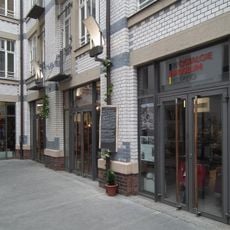
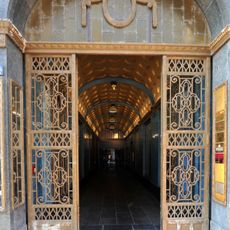
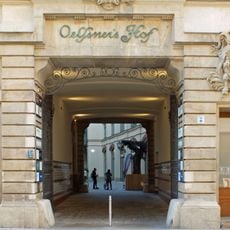
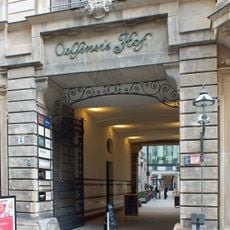
The Brühl runs east from the Hauptbahnhof into the city centre, so it is easily reached on foot. Many trading houses were built around courtyards that let a horse-drawn cart enter at one side and leave at the other without turning; some of these passages can still be walked through.
The courtyards of the Brühl trading houses let a horse-drawn cart drive in at one side and out the other without turning around. Before electric light, these same courtyards were used to inspect furs by daylight. The 1498 fire destroyed half the Brühl and the 1518 fire all of it; the street was then rebuilt specifically for the fur trade.
The community of curious travelers
AroundUs brings together thousands of curated places, local tips, and hidden gems, enriched daily by 94,154 contributors worldwide.