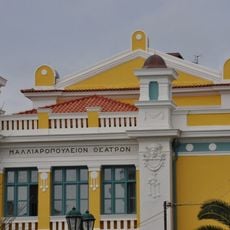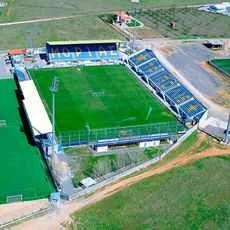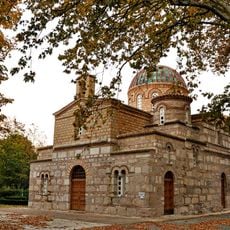
Tripoli, Capital city in Peloponnese, Greece
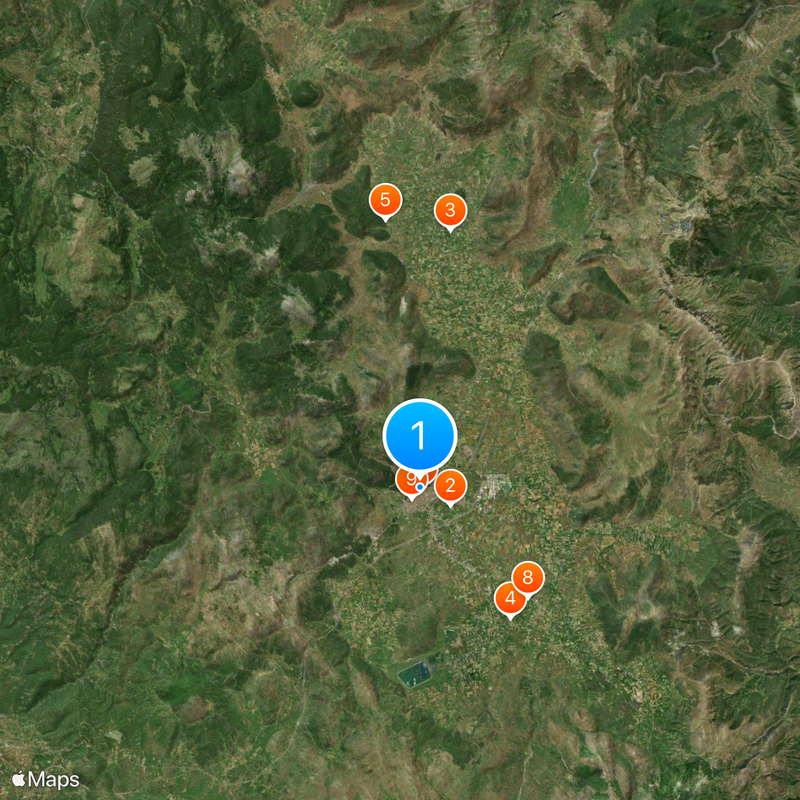
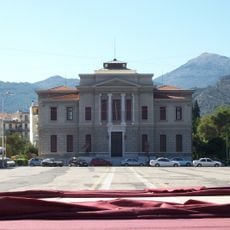
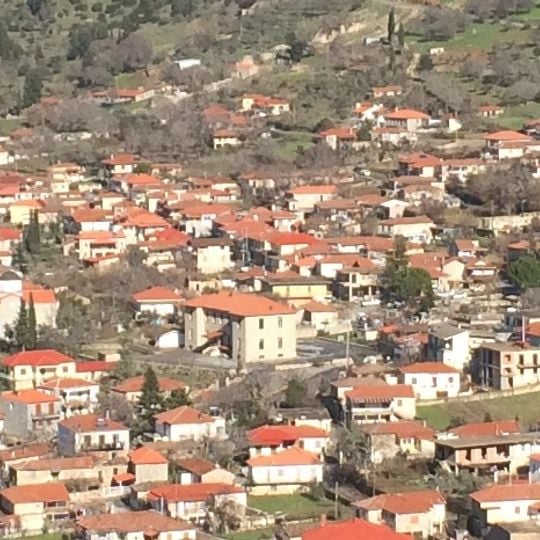
Tripoli occupies a wide basin at 655 meters (2149 feet) elevation, ringed by mountains, and functions as the administrative seat of Arcadia. The city spreads across a valley floor and acts as a junction for several roads crossing the interior of the Peloponnese.
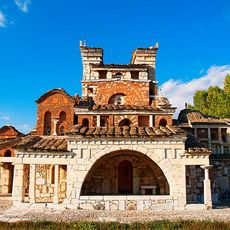
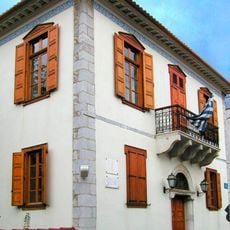
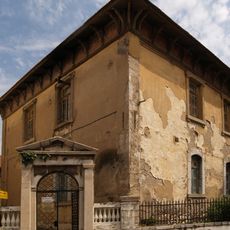
The settlement evolved from ancient Trapezus through the medieval site of Drobolitsa before becoming a major Ottoman administrative center. After Greek independence in 1830, the town grew into the capital of Arcadia.
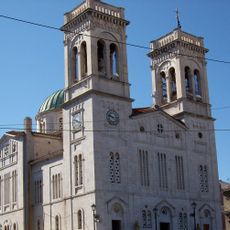
Residents gather around the Cathedral of Agios Vasilios and Platia Agiou Georgiou, the square that serves as the social heart of the city during regional celebrations. The name honors three ancient municipalities that once existed nearby—Mantinea, Tegea, and Orchomenos—reminding visitors of the deep roots in this corner of Arcadia.
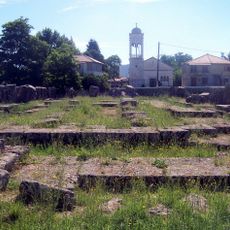
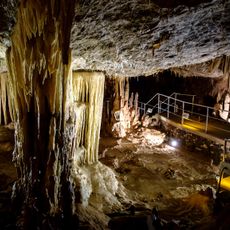
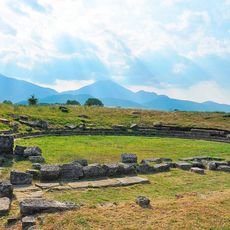
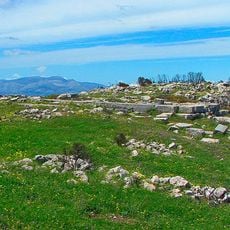
The University of Peloponnese campus and several military installations make this a busy educational and logistical hub with frequent bus connections to surrounding towns. Visitors often use the city as a base for exploring mountain villages and archaeological sites scattered across Arcadia.
The mountain setting brings cooler summers than coastal towns and gives the city an alpine character in the heart of the Peloponnese. Many locals call it the coolest urban center in southern Greece during the summer months.
The community of curious travelers
AroundUs brings together thousands of curated places, local tips, and hidden gems, enriched daily by 92,772 contributors worldwide.