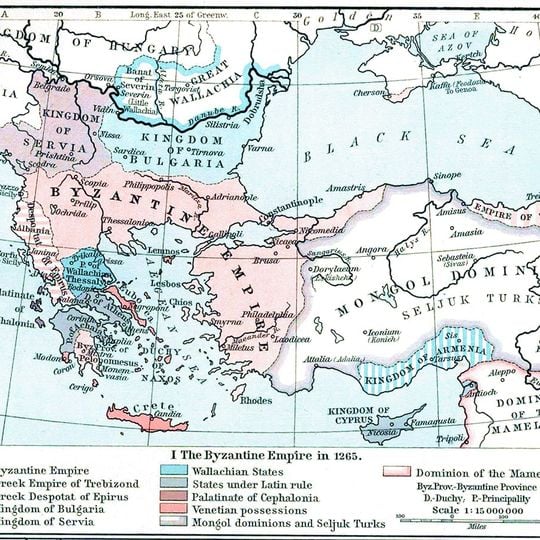
Morea, Medieval peninsula in southern Greece.
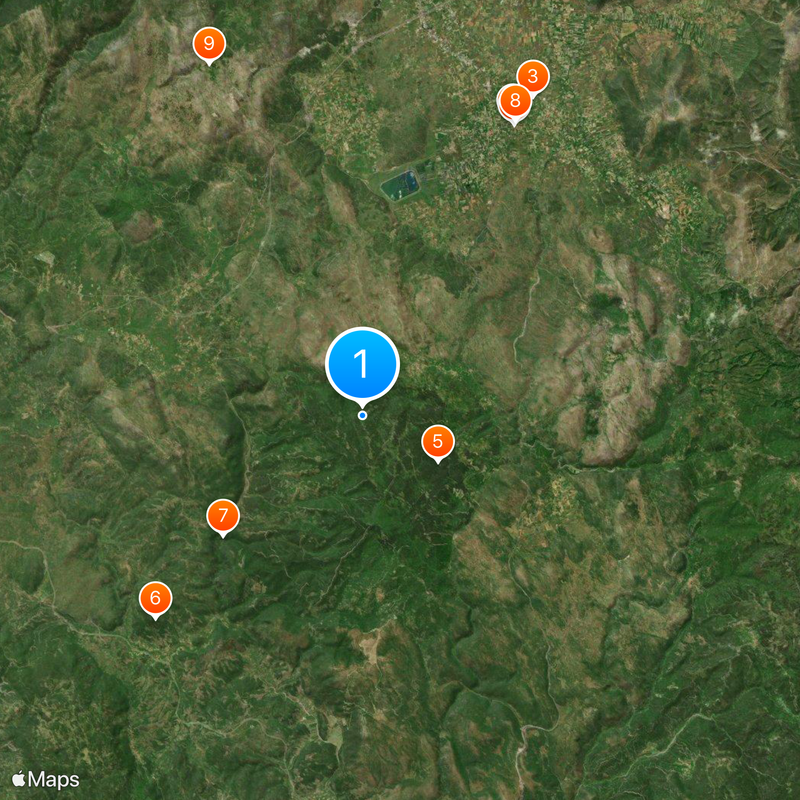
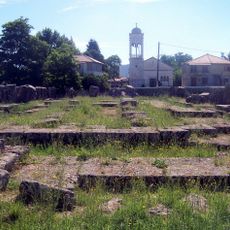
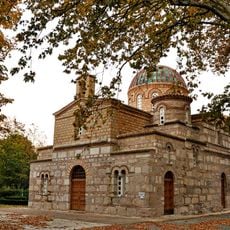
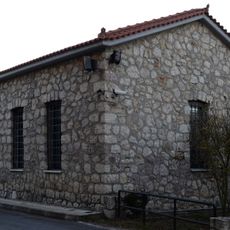
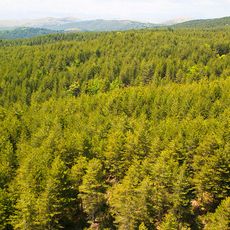
Morea is a large peninsula in southern Greece that extends from the mainland into the Mediterranean Sea with several mountain ranges running through it. The region contains diverse landscapes with coastal cities, mountain areas, and historic villages spread across its territory.
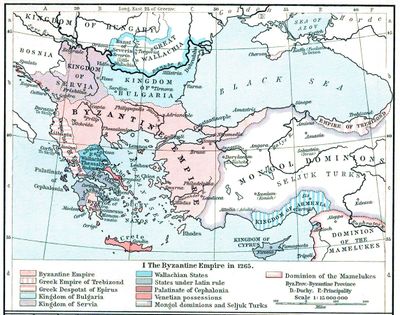
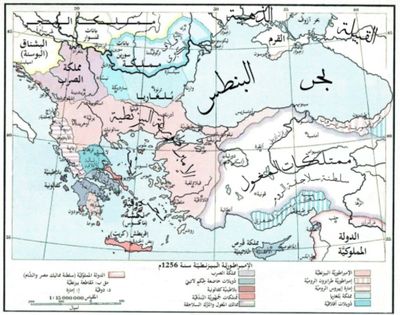
In the 14th century the Byzantine Empire established the Despotate of Morea in this region, which lasted until Ottoman conquest in the 15th century. This period shaped the administrative and cultural structures that influenced how the territories developed afterward.
The name comes from medieval times when mulberry trees were widely cultivated here to support silk production across the region. Visitors can still notice how this historical tradition shaped the landscape and local craftsmanship today.
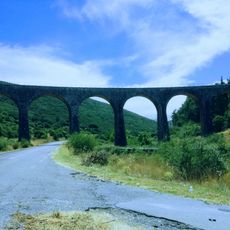
Visitors can travel using modern highways and roads that connect cities and villages across the peninsula. A railway network serves most areas and offers a practical option for longer journeys between different regions.
The Chronicle of Morea from the 14th century documents the introduction of feudal systems in Greece after the Fourth Crusade. This document reveals how Western influences reshaped local society and governance structures in the region.
The community of curious travelers
AroundUs brings together thousands of curated places, local tips, and hidden gems, enriched daily by 92,527 contributors worldwide.