Thoricus, Archaeological site in Lavreotiki, Greece
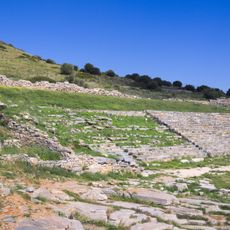
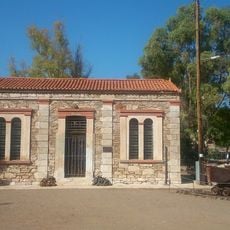
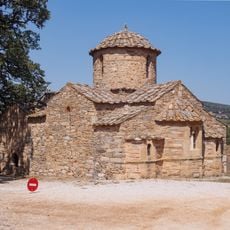
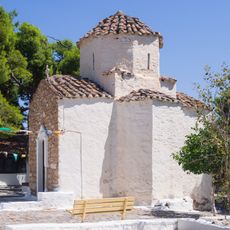
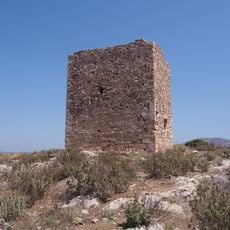
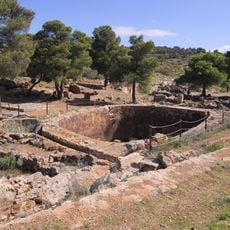
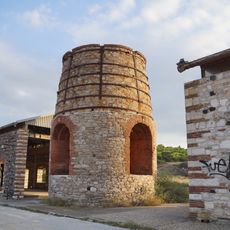
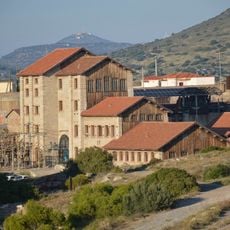
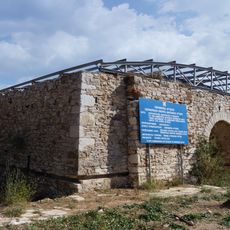
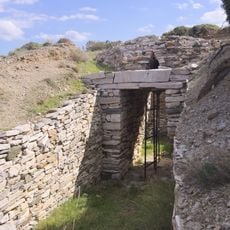
Thoricus is an archaeological site in the Lavreotiki region with remains of an ancient theater, defensive structures, and religious buildings. The site spreads across a hillside with walls, towers, gateways, and staircases from various periods, many of which are still visible today.
Inhabited from the 4th millennium BC, Thoricus was one of the twelve settlements united by Theseus into Athens and later a deme of the Acamantis tribe. Lead was mined from the 3rd millennium BC and silver from 1500 BC. Sulla destroyed the town in 86 BC; it was later reoccupied but abandoned in the 6th century AD.
The archaeological complex shows how different functions were woven together: a temple to Demeter stands near workshops for metalworking, and burial grounds from various periods dot the site. As you walk through, you notice how closely craft, worship, and burial practices existed side by side.
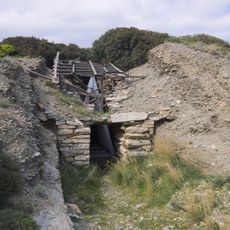
The ruins lie on Velatouri hill, with the theatre on its slope and the Mycenaean tholos tomb on the eastern side; paths are uneven and unshaded. Wear sturdy shoes and carry water and sun protection. The site is reached from the modern settlement of Thorikos, near Lavrio.
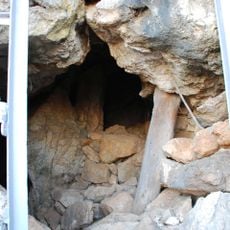
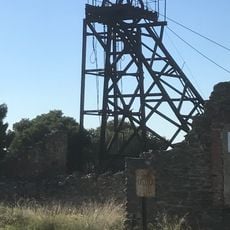
The theatre dates from about 525–480 BC, making it the oldest surviving theatre in Greece. It was cut into the east slope of Velatouri hill, and the hill itself is pierced by mining galleries and shafts. The Belgian School in Athens excavated here from 1963 to 1976.
The community of curious travelers
AroundUs brings together thousands of curated places, local tips, and hidden gems, enriched daily by 94,170 contributors worldwide.