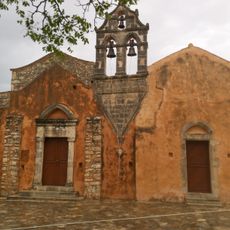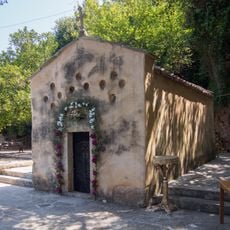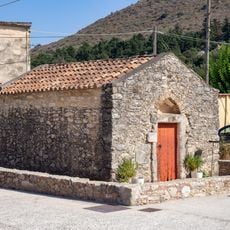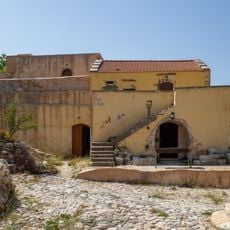
Ancient Lappa, Archaeological site in Argyroupoli, Greece
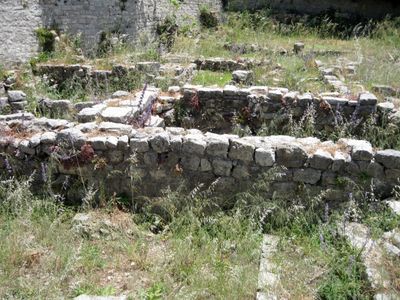
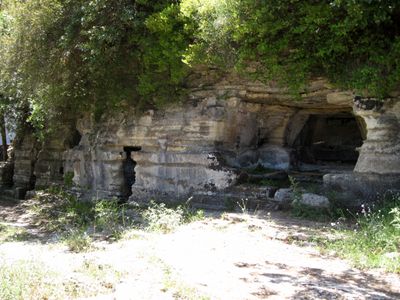
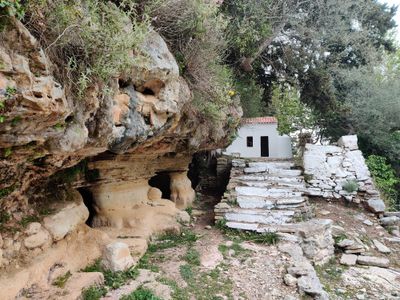
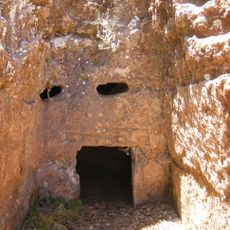
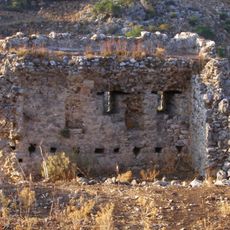
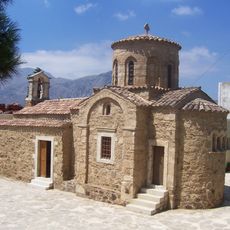
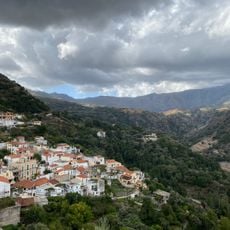
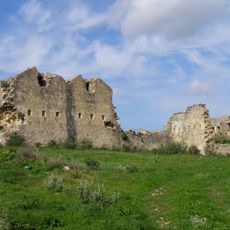
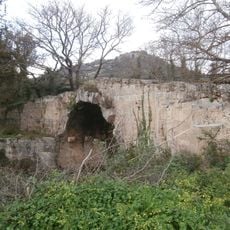
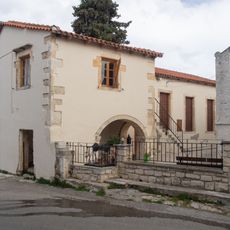
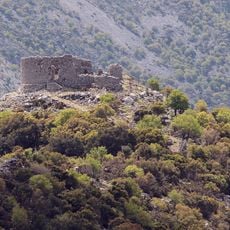
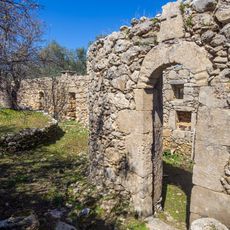
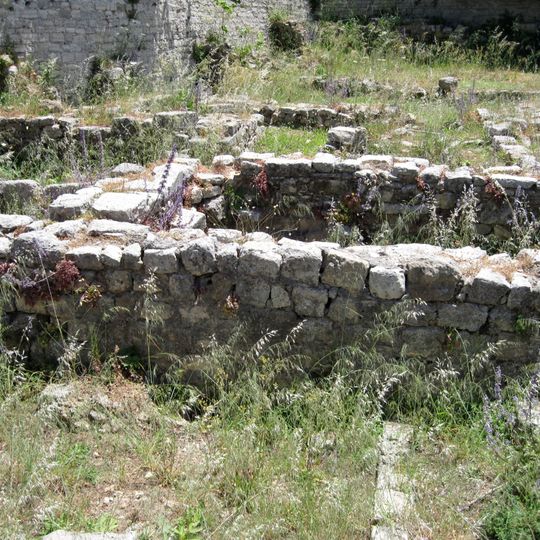
Ancient Lappa lies near modern Argyroupoli, where scattered remains from Roman times survive. Robert Pashley, visiting in the 19th century, recorded a massive brick edifice with buttresses 4.6 m wide and projecting 2.7 m, a circular building 18 m in diameter with niches 3.4 m wide, a cistern measuring 23.2 by 6.1 m, a Roman brick building and several rock-cut tombs.
The settlement flourished during Roman rule, when it developed into a prosperous city with administrative and economic functions. Later it declined, until the village of Argyroupoli was eventually rebuilt on the same ground.
Ancient sources give several forms of the name — Lappa, Lampa, Lampai, Lampe — but the city's own coins always read Λάππα. Stephanus of Byzantium, citing the Cretica of Xenion, held that all these names meant the same place, and he records a tradition that the city was founded by Agamemnon and named after a Tarrhaean man. Lappaean coins also carry maritime symbols, perhaps pointing to the city's coastal territory.
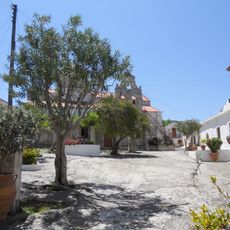
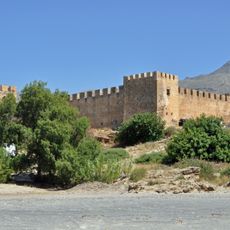
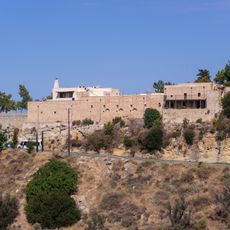
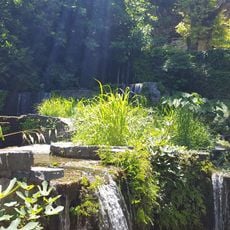
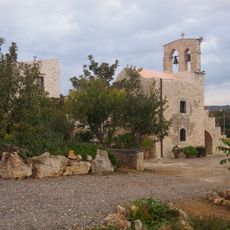
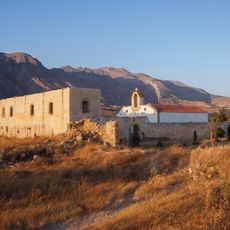
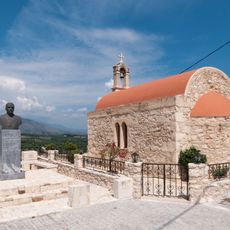
The ruins are easily accessible throughout and around the living village of Argyroupoli, where visitors can walk freely and explore the remains in their natural setting. For deeper information, key artifacts are displayed in the Archaeological Museum of Rethymno.
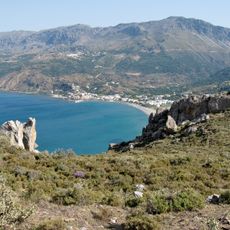
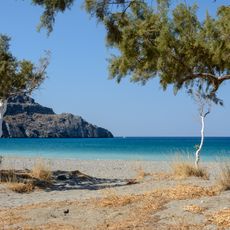
Lappa's territory reached the south coast, where it held the port of Phoenix, as Strabo states; no northern harbour is recorded. Its coins carry maritime symbols, perhaps recalling that coastal outlet. The city's name appears as Lappa on its coins, while ancient writers also wrote Lampa, Lampai or Lampe.
The community of curious travelers
AroundUs brings together thousands of curated places, local tips, and hidden gems, enriched daily by 92,886 contributors worldwide.