Archaeological Museum of Piraeus, Archaeological museum in Piraeus, Greece
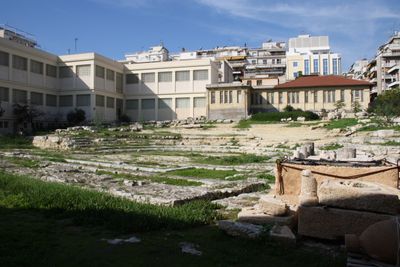
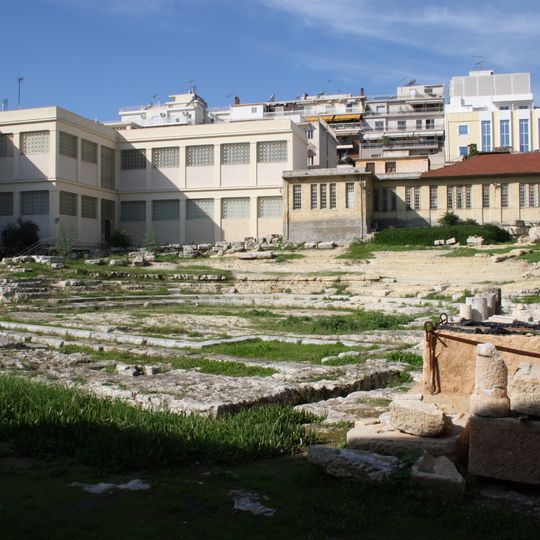
The Archaeological Museum of Piraeus occupies a two-storey building of pale beige facade with dark-framed windows, opened in 1981 and covering 1,394 m2, beside the older 1935 storage building. Its ten exhibition halls on both floors hold finds from the Mycenaean to Roman periods, including the Cybele sanctuary reconstruction and the neo-Attic relief slabs from a Roman shipwreck in the harbour. The buildings stand next to the ancient theatre of Zea, above an excavated area of low stone walls.
The museum was founded in 1935 to collect and display archaeological finds from the Piraeus region. It documents the history of this port city from the Mycenaean period through Roman times, when it was a major trading center.
The exhibition halls display bronze statues, pottery, and funerary monuments from different periods of antiquity. These objects show how people worked, created art, and honored their dead across centuries.
The museum stands between Terpsithea and Pasalimani, next to the ancient theatre of Zea. It is a 15-minute walk from Piraeus station, a few minutes from the bus stop and a 5-minute walk from the cruise ship reception area; the Athens metro and bus lines serve it. The conservation laboratories are in the basement.
The museum's core holdings come from the north cemetery of ancient Piraeus and from chance finds made while modern Piraeus was built. Among the exhibits are a group of Neo-Attic relief slabs recovered from a Roman shipwreck in the harbour, finds from the sanctuary of Munichia, and those from the sanctuary of the Mother of the Gods at Moschato.
The community of curious travelers
AroundUs brings together thousands of curated places, local tips, and hidden gems, enriched daily by 92,863 contributors worldwide.