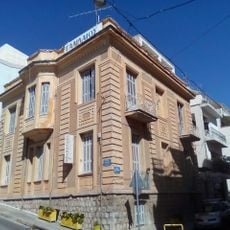
Archaeological museum of Lamia, Archaeological museum in Lamia, Greece
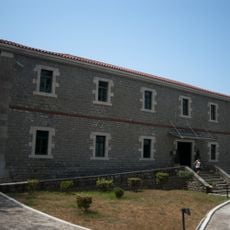
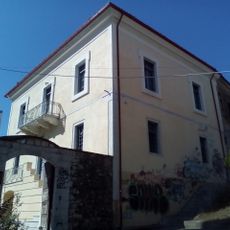
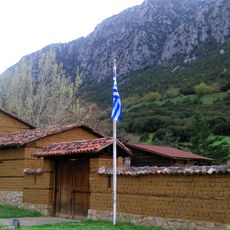
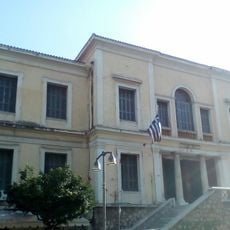
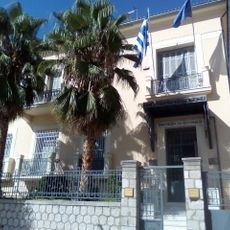
The Archaeological Museum of Lamia occupies the ground floor and part of the first floor of a two-storey barracks built in 1830 by King Otto, inside Lamia Castle. The north hall holds prehistoric, Bronze Age and Mycenaean finds; the south hall covers the Late Archaic to Roman periods. The first floor has 27 rooms arranged around twelve themes.
The two-storey barracks was built in 1830 under Otto, the Bavarian first king of independent Greece, and served as an army barracks during World War II. The Greek Ministry of Culture took it over from the Ministry of Defence in 1973, and the Archaeological Museum of Lamia opened to the public in September 1994.
The displays trace local cults: a marble relief of Artemis Eileithyia from 400 BC follows the style of Praxiteles, and a Hellenistic relief from Achinos, 68 by 123 cm, shows a veiled mother offering her baby girl to Artemis Locheia. An inscription from Achinos records slave owners freeing their slaves, and a mosaic floor depicts the Three Graces.
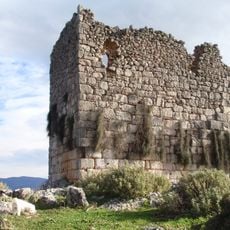
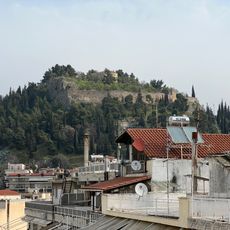
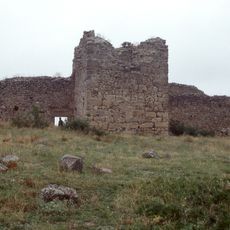
The museum sits inside Lamia Castle on the acropolis above the town, so reaching it means walking up through the castle grounds. It occupies the ground floor and part of the first floor of the two-storey former barracks, with the north hall for prehistoric and Bronze Age finds and the south hall for later periods. Allow time to walk the castle site as well.
The relief of Artemis Locheia from Achinos measures 68 by 123 centimetres and shows a veiled mother offering a baby girl to the goddess of safe childbirth; it is dated between the late 400s and 300 BC. A broken pin rest or catch plate from the Kainourgion excavations, decorated with four fish inside a double outline, is also on display.
The community of curious travelers
AroundUs brings together thousands of curated places, local tips, and hidden gems, enriched daily by 92,915 contributors worldwide.