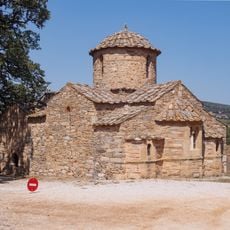
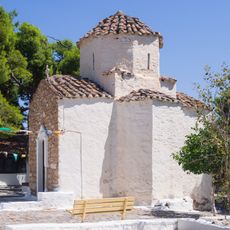
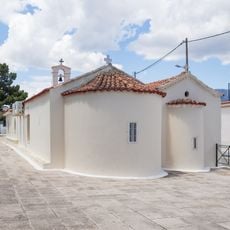
Temple of Apollo Zoster, Ancient Greek temple in Vouliagmeni, Greece
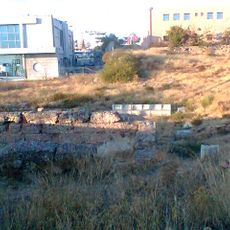
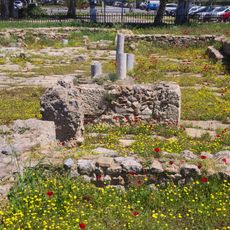
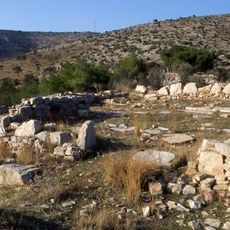
The Temple of Apollo Zoster is a rectangular ancient Greek temple measuring 10.8 by 6 metres, built on a floor of large rectangular slabs. Inside the sekos, three bases once held the cult statues of Leto, Apollo and Artemis; two carry the inscription "HALAIES ANETHESAN". A marble priest's throne and a marble altar recording a fourth-century BC repair under the priest Polystratos also survive.
The remains were discovered in 1924 by children from a local orphanage and systematically excavated by archaeologists between 1926 and 1927. These early excavations revealed the sanctuary's original structure and became a foundation for archaeological understanding of the site.
The temple was the chief sanctuary of the deme Halai Aixonides, and its annual festival, the Zosteria, was held there. Pausanias linked the name Zoster to Leto loosening her gilt girdle before giving birth to Apollo and Artemis. Two statue bases inside the sekos still carry the inscription "HALAIES ANETHESAN", recording the deme's dedication of cult statues.
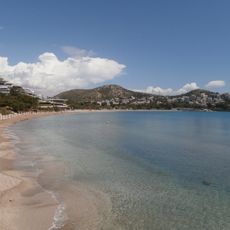
The site sits within the grounds of the private Astir Palace Vouliagmeni beach and requires prior coordination with staff for access. Advance planning is necessary to arrange a visit to the archaeological remains.
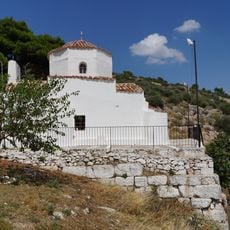
During the late Roman period, the original sanctuary was converted into a Christian church with modifications to its walls and architectural layout. This transformation shows how sacred spaces adapted to changing religious beliefs across centuries.
The community of curious travelers
AroundUs brings together thousands of curated places, local tips, and hidden gems, enriched daily by 94,321 contributors worldwide.