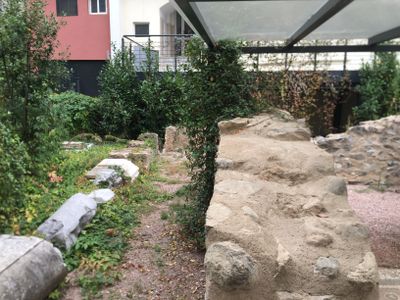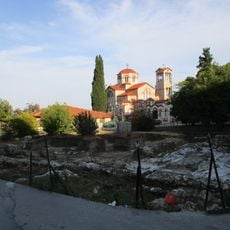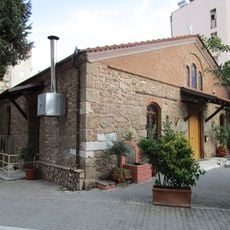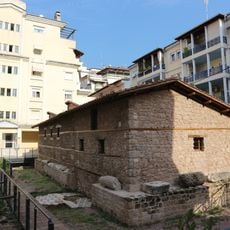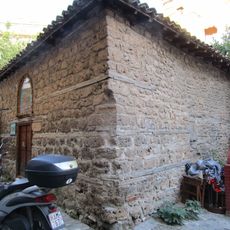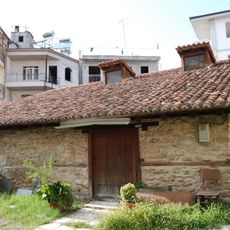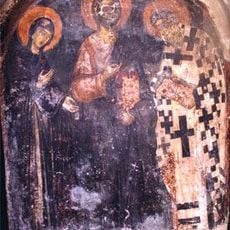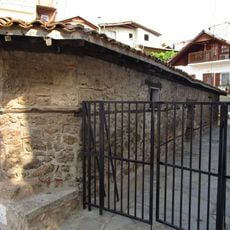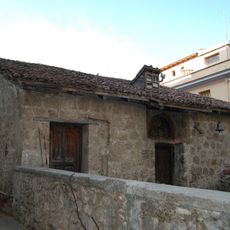
Berroea, Archaeological remains near Veria, Greece.
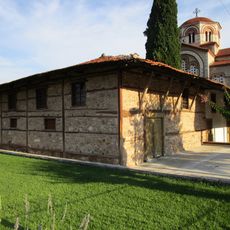
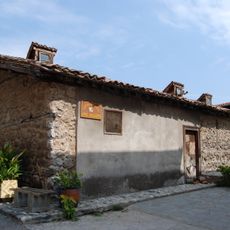
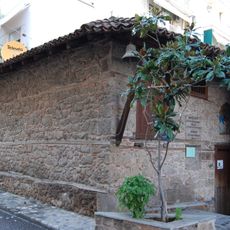
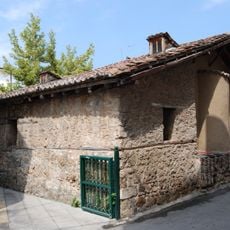
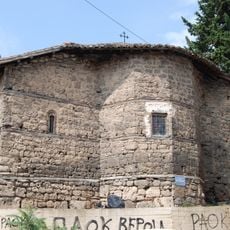
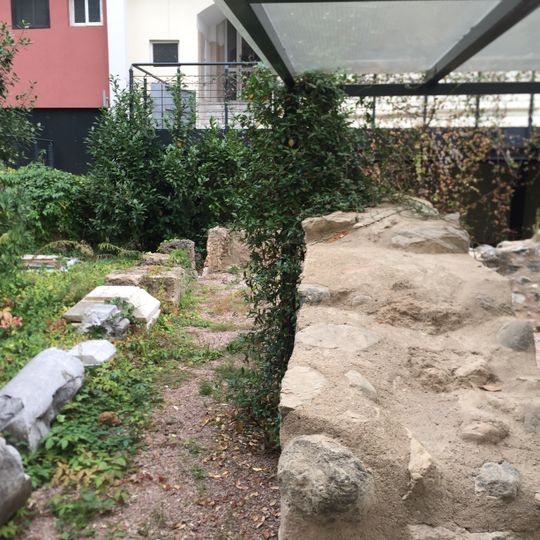
Beroea was an ancient city on the eastern slope of the Vermio Mountains, at the site of modern Veria. It was the seat of the Macedonian koinon and minted its own coinage. The visible remains include a long, low wall of rough light-brown stone and earth with rounded protruding stones, bordered by a dirt path and low grey stone blocks.
Beroea was a city of the Hellenistic period and Roman Empire on the site of modern Veria. It was the seat of the Macedonian koinon under the Antigonid dynasty, minted its own coinage and held games called Alexandreia. It was the first Macedonian city to fall to Rome, after the Battle of Pydna in 168 BC, and Diocletian made it one of two capitals of Macedonia.
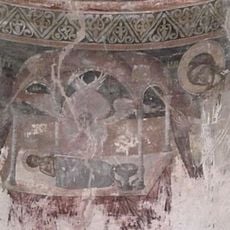
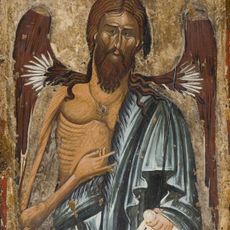
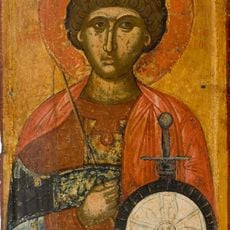
The site connects to early Christian history and the presence of Apostle Paul in the region during the first century. Religious objects and settlement patterns visible in the remains show how faith and daily life were intertwined in this place.
The site is accessible for research purposes and requires advance permission from local authorities to examine the findings in detail. It helps to contact the responsible offices beforehand to arrange access and learn about what is currently on view.
Beroea was the seat of the Koinon of Macedonians, the league of Macedonian cities, and minted its own coinage there. It also hosted the Alexandreia, athletic games held in honour of Alexander the Great, in which athletes from across Greece competed.
The community of curious travelers
AroundUs brings together thousands of curated places, local tips, and hidden gems, enriched daily by 93,099 contributors worldwide.