Saint George's cave, Natural cave formation in Kilkis, Greece
Saint George's Cave is a natural limestone formation in Kilkis Municipality featuring two levels and six spacious chambers. The passages are narrow and the ceilings are high, with the entire system extending approximately 300 meters underground.
The cave was discovered in 1925 by George Pavlidis during quarrying work at the site. It received its first scientific documentation in 1960 through the research of Anna Petrocheilou.
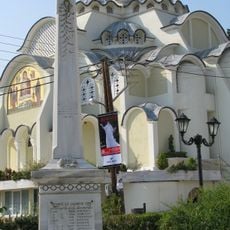
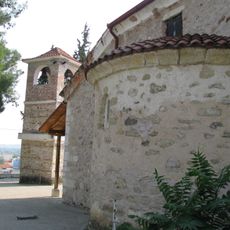
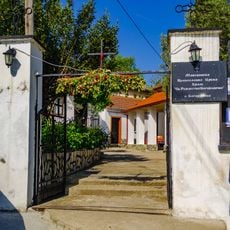
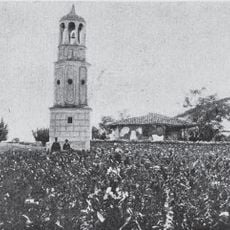
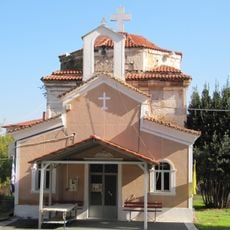
The cave was named after a shrine dedicated to Saint George that once stood at its entrance. Locals still regard this site as spiritually important to their community and heritage.
The cave maintains a steady temperature between 15 and 17 degrees Celsius (59 to 63 degrees Fahrenheit) year-round. The high humidity of about 95 percent means you should bring warm and moisture-resistant clothing for comfort.
The chambers display rare coral-like formations on their walls created by iron and aluminum oxides in varying shades. These mineral deposits give each section its own distinctive visual character.
The community of curious travelers
AroundUs brings together thousands of curated places, local tips, and hidden gems, enriched daily by 60,000 contributors worldwide.