Cape Maleas, Cape in Laconia, Peloponnese, Greece
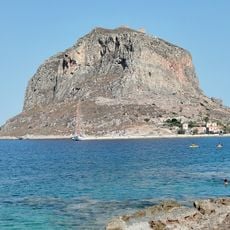
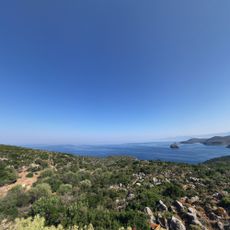
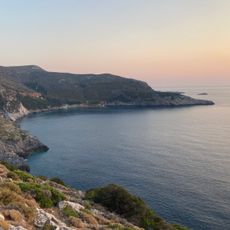
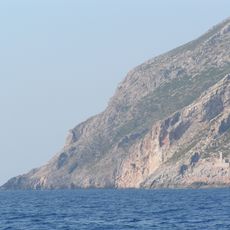
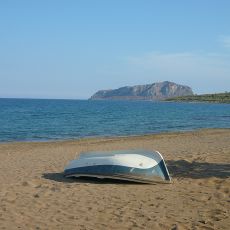
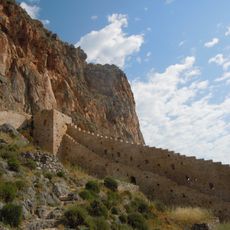
Cape Maleas is a steep headland at the southeastern tip of the Peloponnese, in Laconia, where the Epidavros Limira peninsula ends. Its cliffs rise about 600 metres above the sea, with phrygana scrub and a few olive groves. The cape separates the Laconian Gulf to the west from the Aegean Sea to the east.
Cape Maleas was a busy shipping lane in antiquity, on the main route between the eastern Mediterranean and the west. Homer's Odyssey has Odysseus blown off course there on his return to Ithaca, and Xenophon records a thunderstorm delaying Callicratidas before Arginusae. A Roman tomb at Hierapolis commemorates the merchant Flavius Zeuxis, who sailed round the cape seventy-two times. Its importance declined with the opening of the Corinth Canal.
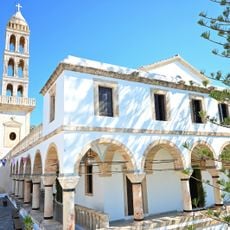
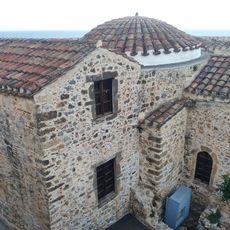
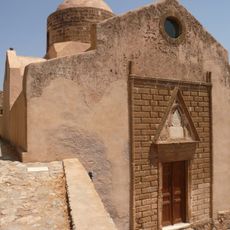
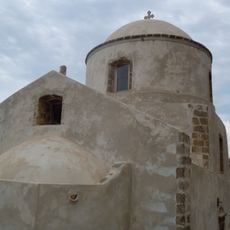
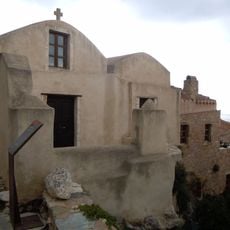
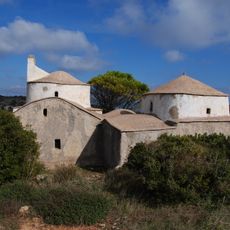
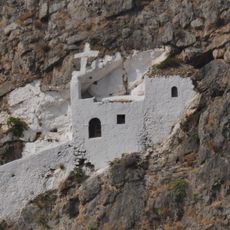
The cape's name comes from the ancient Greek "Malea"; Strabo records it in the feminine plural as "Maleai". Pausanias noted two sanctuaries on the wind-beaten headland: one to Poseidon on the Laconian Gulf side and one to Apollo facing the Myrtoan Sea. In the late 18th century a small chapel of the Taxiarchs stood here, and its hermit rang a bell to signal passing sailing ships, which is why the spot was then called Cavo Sant'Angelo.
Visitors should be aware of strong winds and rough conditions, especially when approaching the cliffs or exploring the shoreline. The best time to visit is during calmer weather when paths are safer to navigate.
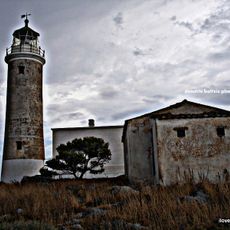
The stone lighthouse built in 1883 stands 40 metres above the sea, with a 15-metre tower; its light once reached 40 miles and now shines 17 nautical miles, a range set in memory of the 17 sailors lost when the ship Koti1 sank off the cape on 6 January 1993. It was restored in 2010.
The community of curious travelers
AroundUs brings together thousands of curated places, local tips, and hidden gems, enriched daily by 94,043 contributors worldwide.