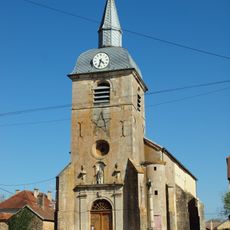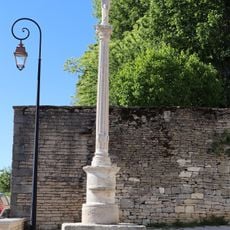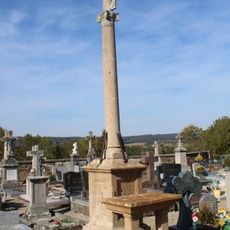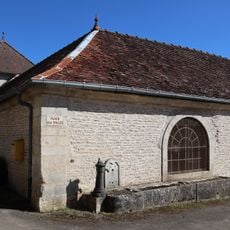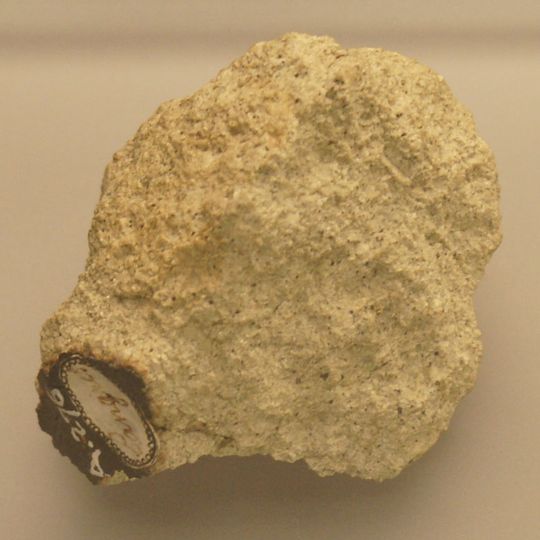
Chassigny, Martian meteorite in Chassigny, France
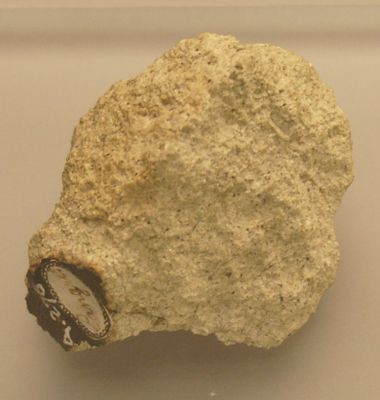
Chassigny is a Martian meteorite that fell in 1815 near the village of the same name in northeastern France and gave its name to a whole class of similar rocks called chassignites. It is made mostly of olivine, with smaller amounts of pyroxene, feldspar, and oxide minerals arranged in a crystalline structure.
The meteorite struck the ground on October 3, 1815, in the village of Chassigny in the Haute-Marne region, and a local farmer collected it shortly after it fell. Decades later, scientists determined it had come from Mars, which changed how researchers thought about the origin of rocks from other planets.
The word "chassignite" now names an entire group of Martian rocks, all named after the small French village where this meteorite landed. Anyone who sees one of these specimens in a museum is looking at a rock that gave its name to a whole scientific category.
Fragments of the meteorite are held in several museums and scientific collections in France and abroad, where they are displayed in exhibitions on planetary science. A visit to a natural history museum or a science center with a focus on astronomy gives the best chance to see a specimen up close.
Although the impact in 1815 was heard by several people, the recovered rock weighed only about 9 pounds (4 kilograms), making it one of the smallest known Martian meteorites. This small size makes every fragment particularly rare and valuable to scientific collections.
The community of curious travelers
AroundUs brings together thousands of curated places, local tips, and hidden gems, enriched daily by 60,000 contributors worldwide.