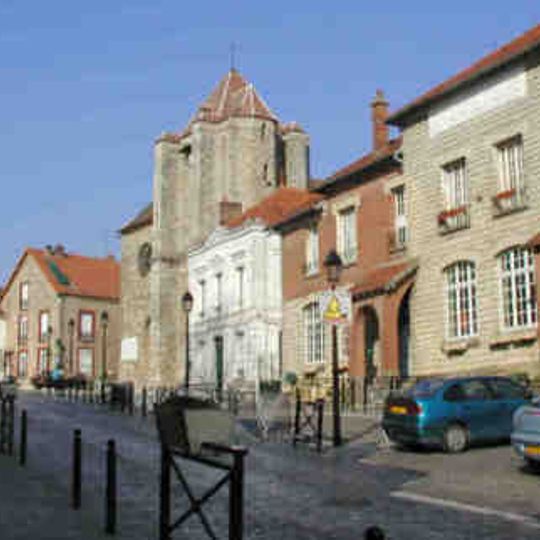
La Queue-en-Brie, commune in Val-de-Marne, France
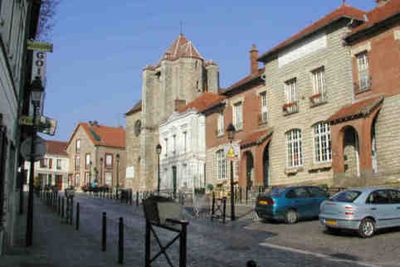
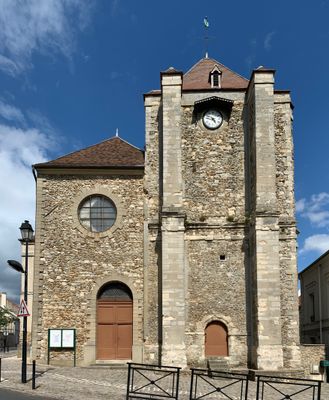
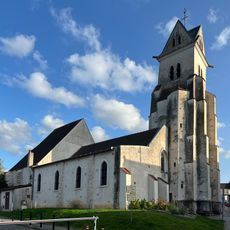
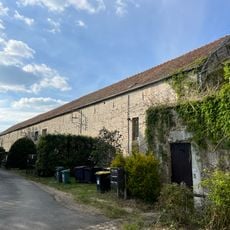
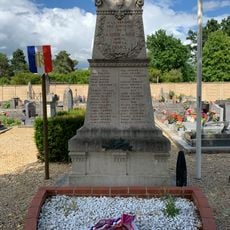
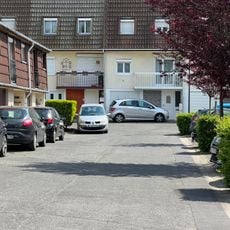
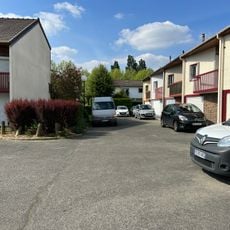
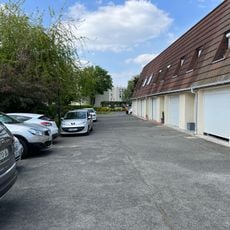
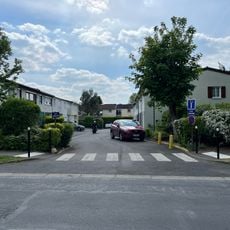
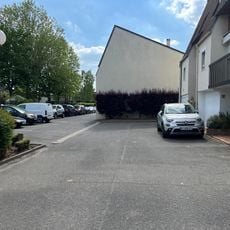
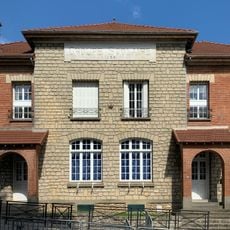
La Queue-en-Brie is a small commune in Val-de-Marne, situated east of Paris, featuring a historic center with medieval structures and narrow streets. A small stream called the Morbras runs through the town, and it is surrounded by the Foret de Notre-Dame, with the Saint-Nicolas church and remains of an old defensive tower marking its architectural heritage.
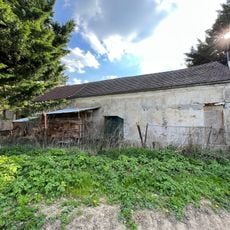
The commune was founded in the Middle Ages as a fortified settlement, with a defensive tower built between the 12th and 13th centuries to watch over the road to Paris. It suffered raids and burning during the 16th-century Wars of Religion but was later rebuilt under noble families like the d'Ormesson who established domains in the region.
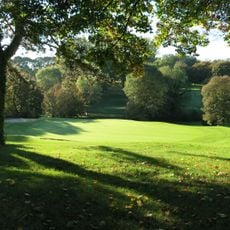
La Queue-en-Brie takes its name from the shape of a former woodland area that once covered the land. This connection to nature remains visible today, with the Foret de Notre-Dame forest continuing to be a place where residents walk and exercise, showing how the landscape has always shaped local life.
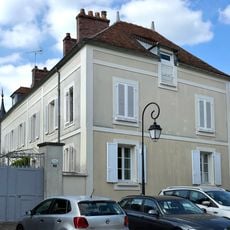
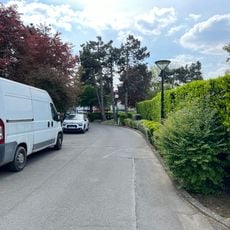
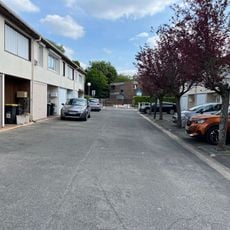
The old village center with its narrow streets and traditional buildings is easily explored on foot, while the nearby forest offers accessible paths for walking and cycling. The town has public spaces for resting and is well connected to Paris through regional transit options.
The painter Stanislas Rouart, who lived here as an artist and industrialist, collected works by Impressionist masters like Edgar Degas, making the town a quiet hub of artistic activity. This connection to art history remains part of the town's memory even as it fades from wider recognition.
The community of curious travelers
AroundUs brings together thousands of curated places, local tips, and hidden gems, enriched daily by 60,000 contributors worldwide.