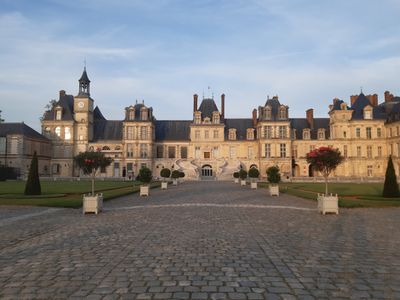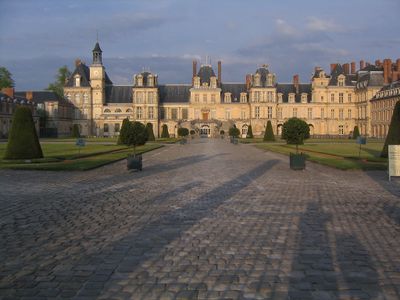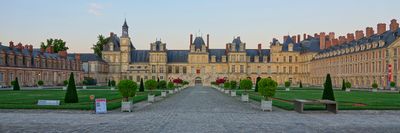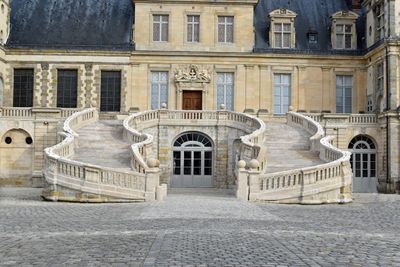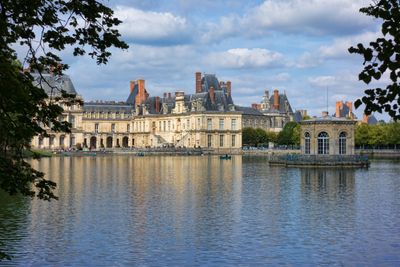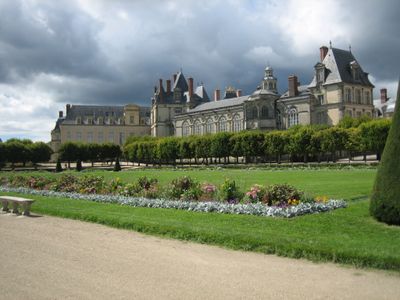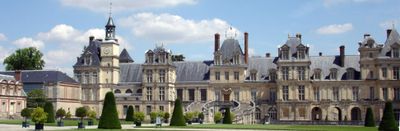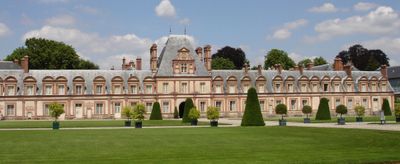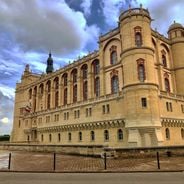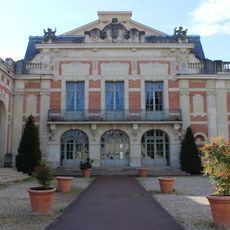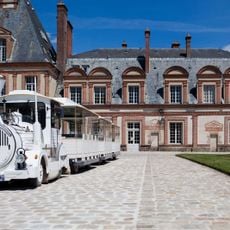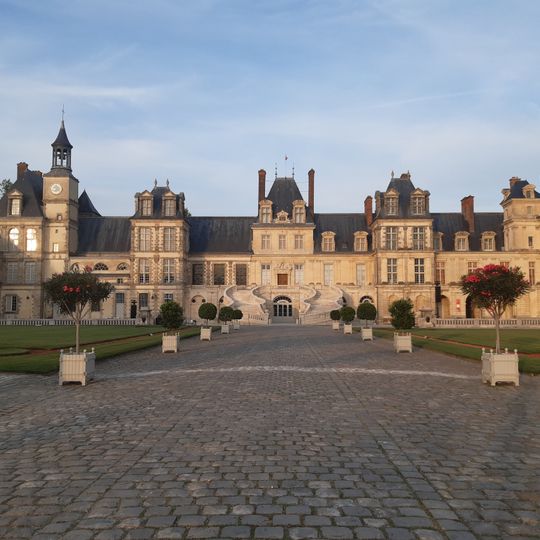
Palace of Fontainebleau, Renaissance palace in Fontainebleau, France.
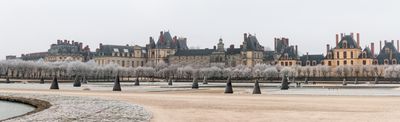
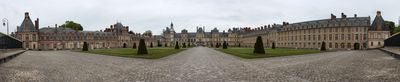
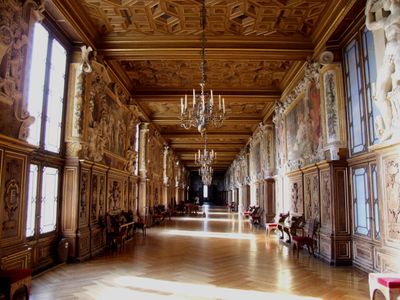
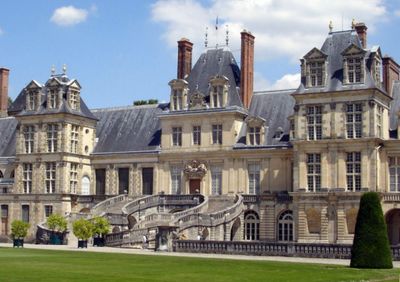
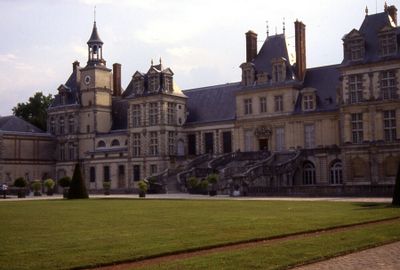
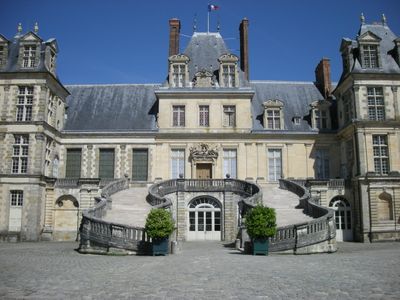
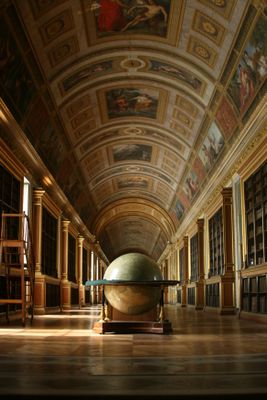
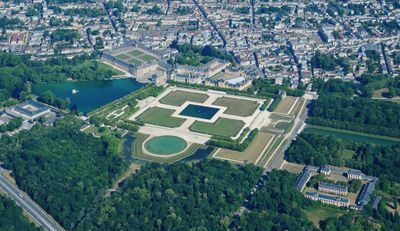
The Palace of Fontainebleau is a château and museum in Fontainebleau with over 1500 rooms spanning medieval architecture to the Renaissance period. The complex includes galleries with frescoes, state apartments with carved wooden ceilings, and a large courtyard surrounded by several wings.
Louis VII began using the estate in the 12th century as a royal hunting lodge, which Francis I transformed into a large Renaissance château in the 16th century. Napoleon later used the complex as his main residence and signed his abdication here in 1814.
The name comes from the spring Fontaine Belle-Eau, whose source lies in the forests near the château. Visitors today notice the mix of Italian ornamentation and French architecture in the interiors, created during the reign of Francis I.
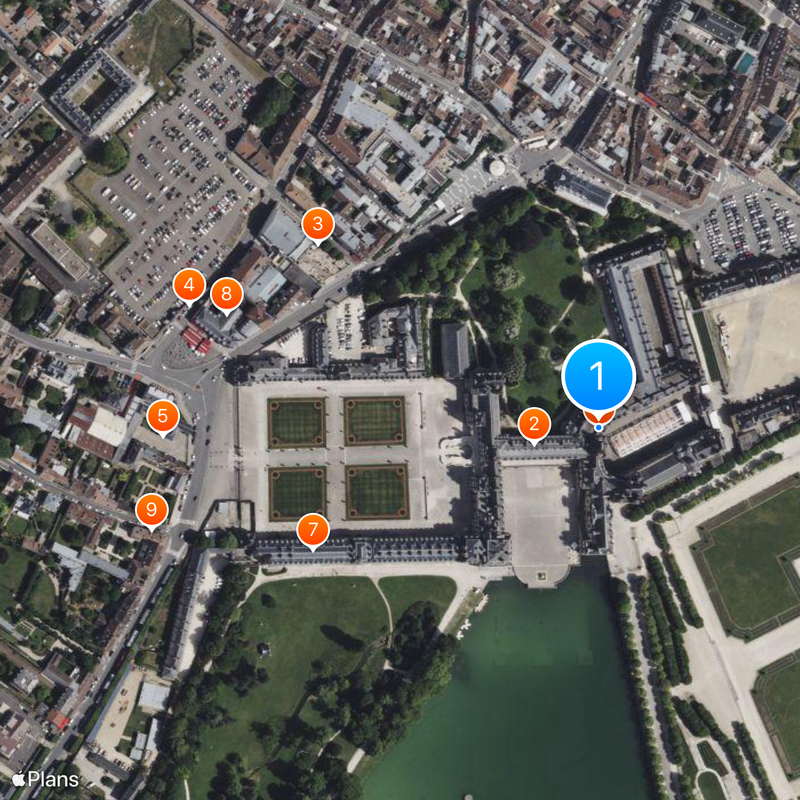
The complex opens daily from 9:30 AM, with extended summer hours and guided tours in several languages through the state rooms. Access to the gardens is free and suitable for a walk before or after visiting the museum.
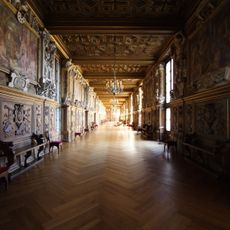
The Gallery of Francis I displays one of the earliest uses of stucco and frescoes in France, introduced by Italian artists in the 1530s. The technique later spread throughout Europe and influenced the decoration of royal palaces for generations.
The community of curious travelers
AroundUs brings together thousands of curated places, local tips, and hidden gems, enriched daily by 90,799 contributors worldwide.