Metz Citadel, Military fortress in Metz, France
Metz Citadel was a bastioned artillery fortification begun in 1556 and completed around 1564, built to control both the city and its approaches. It had four angled bastions surrounded by a four-sided moat, with cannon able to fire outward and inward. Largely dismantled in the 19th century, its site now holds civic buildings, the Esplanade and jardin Boufflers; the supply depot is the last visible remnant of the original buildings.
Begun in 1556 on the orders of François de Scépeaux de Vieille-Ville, governor of the Three Bishoprics, with the Italian engineer Rocco Guerrini taking part, the citadel was completed around 1564. It reinforced the south-west sector of the medieval ramparts and had four angled bastions ringed by a moat. Vauban integrated it into his fortification system from 1676, continued by Louis de Cormontaigne between 1728 and 1749.
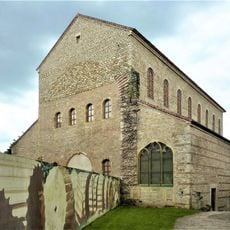
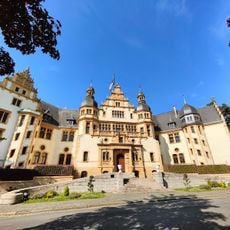
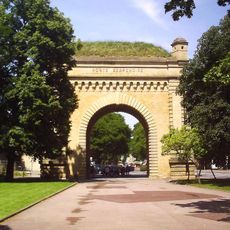
The citadel's name survives in the Esplanade and the Jardin Boufflers, laid out over its filled-in ditches. The Porte Serpenoise, once part of the defences, now stands as a decorative arch. The former arsenal serves as an auditorium, and the supply depot, the last visible building from the 1560s, is now a hotel.
The citadel itself no longer stands: it was largely dismantled in the 19th century, so there are no bastions or moat to walk. Its site is now occupied by the Esplanade gardens, the jardin Boufflers and civic buildings. The former supply depot survives and now operates as a hotel; the arsenal became an auditorium.
Archaeological excavations beneath the citadel's gardens have uncovered Roman monuments and ramparts, revealing how long the area had been fortified. These discoveries show that the location was considered strategically important even in ancient times.
The community of curious travelers
AroundUs brings together thousands of curated places, local tips, and hidden gems, enriched daily by 93,172 contributors worldwide.