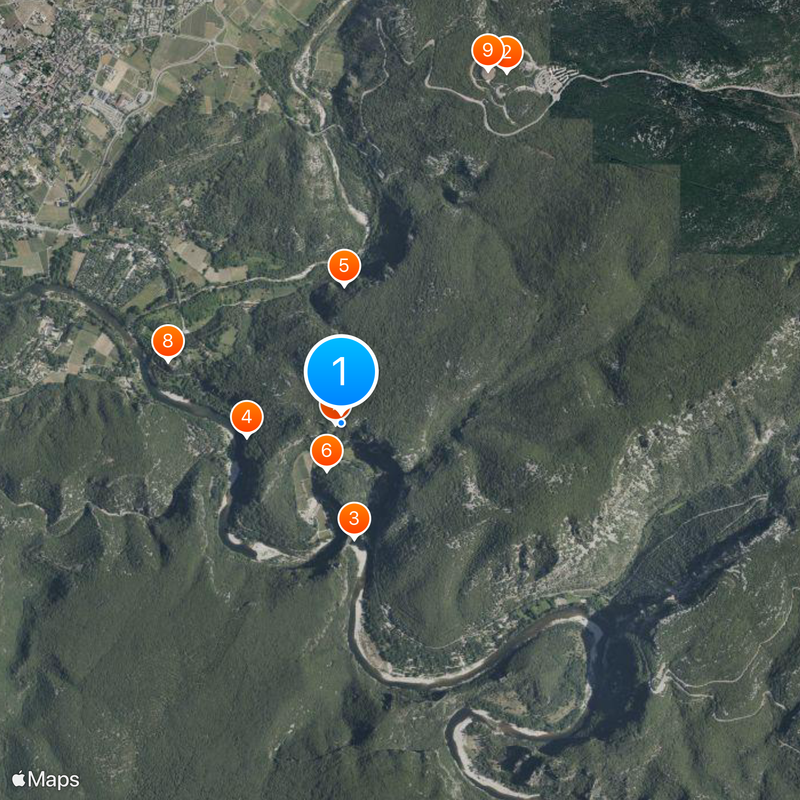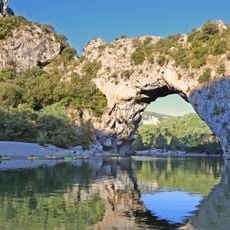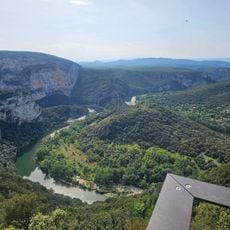
Chauvet Cave, Cave with prehistoric art in Vallon-Pont-d'Arc, France
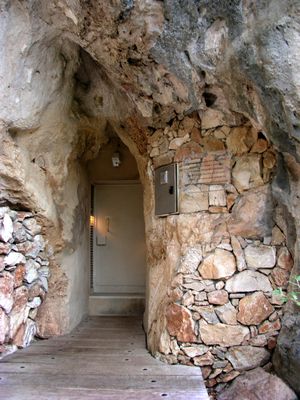
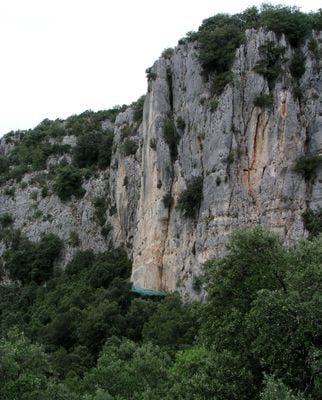
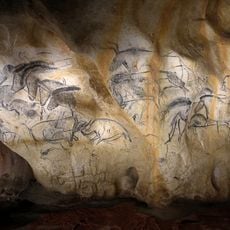
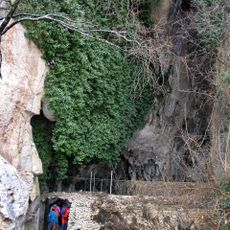
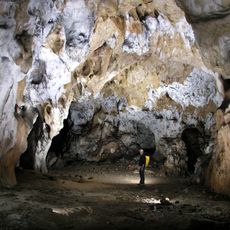
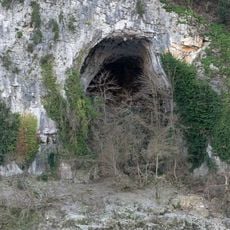
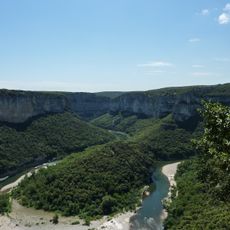
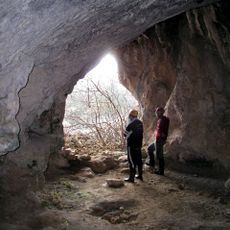
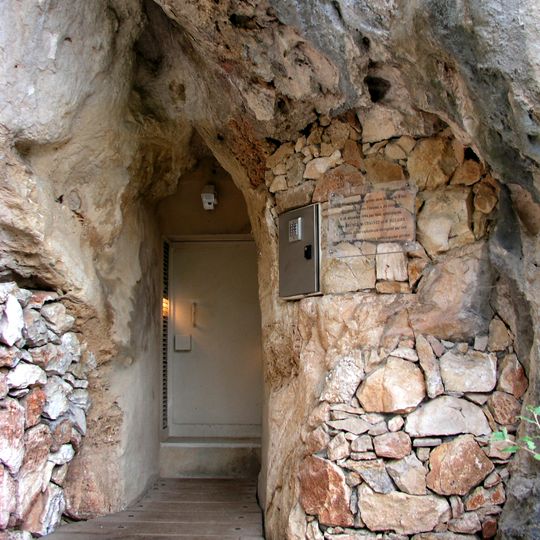
The Grotte de Chauvet-Pont d'Arc is a limestone formation in southern France known for its prehistoric wall art. It extends roughly 250 meters in length and features several chambers, some rising up to 30 meters (98 feet) high.
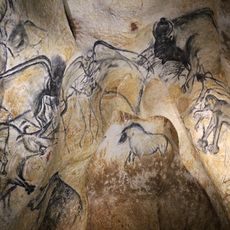
Explorers found the site in December 1994 and quickly recognized the extraordinary significance of their discovery. Radiocarbon analysis confirmed that the paintings date back approximately 32,000 to 36,000 years.
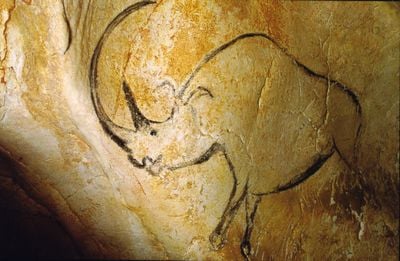
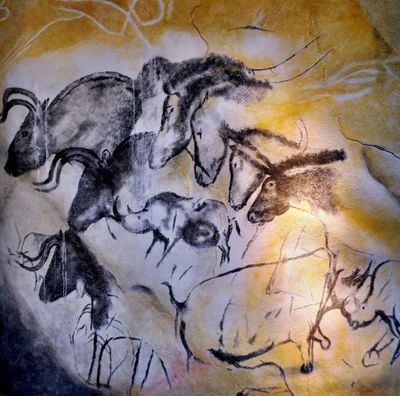
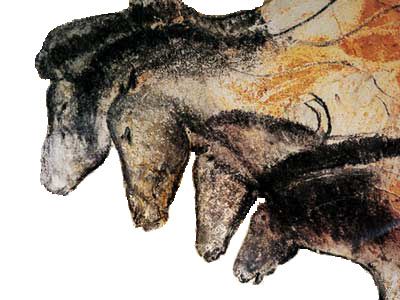
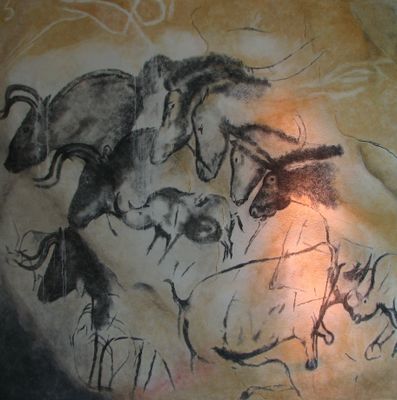
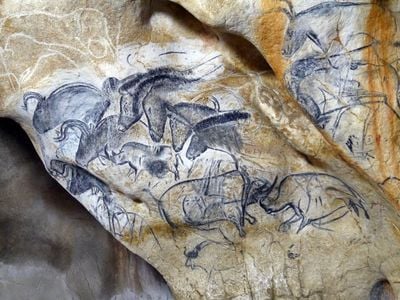
The site takes its name from speleologist Jean-Marie Chauvet, who discovered it alongside his companions and documented its contents. The depictions show animals in motion and use shading along with natural rock contours to create depth and perspective.
The original formation remains permanently closed to safeguard the prehistoric artwork, but a full-scale reproduction called Caverne du Pont d'Arc offers a complete replica of all paintings and chambers. The replica stands a few kilometers from the original and allows visitors to walk through the entire layout.
Researchers found handprints from several individuals in red pigment placed directly beside the animal depictions on the walls. Some paintings use the natural shape of rock protrusions to give the animals three-dimensional forms.
The community of curious travelers
AroundUs brings together thousands of curated places, local tips, and hidden gems, enriched daily by 90,798 contributors worldwide.