Estaing, commune in Aveyron, France
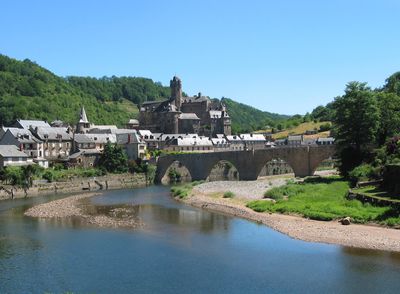
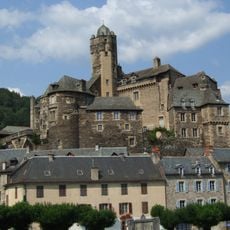
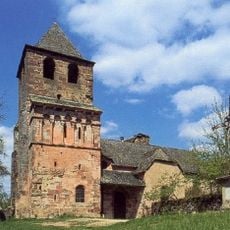
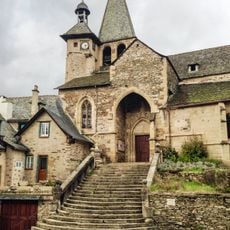
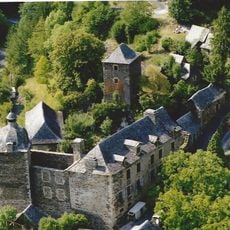
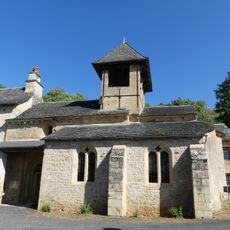
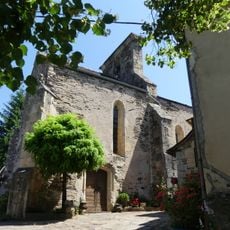
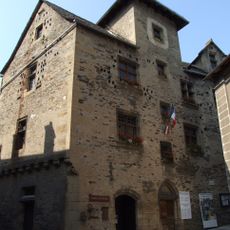
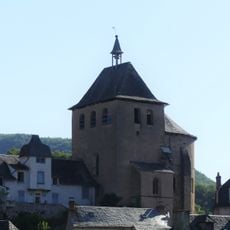
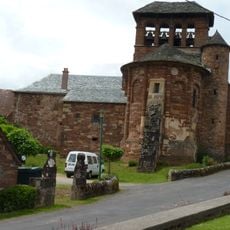
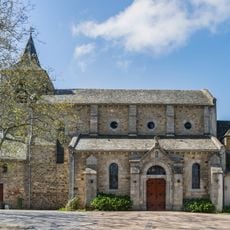
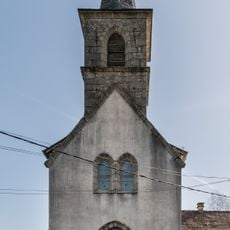
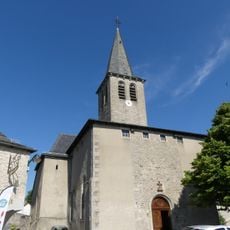
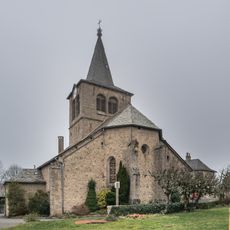
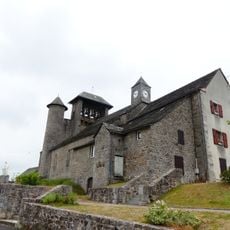
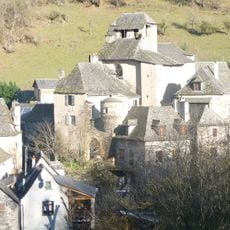
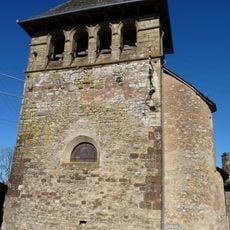
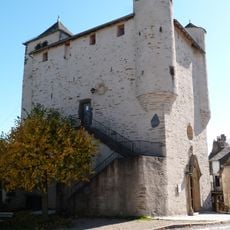
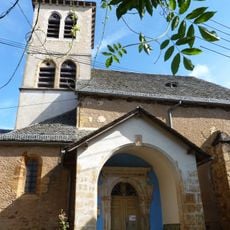
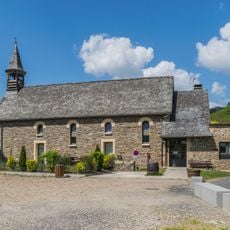
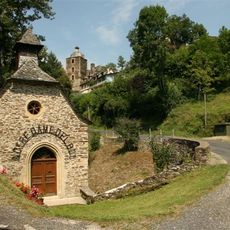
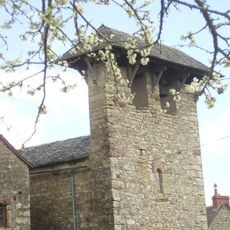
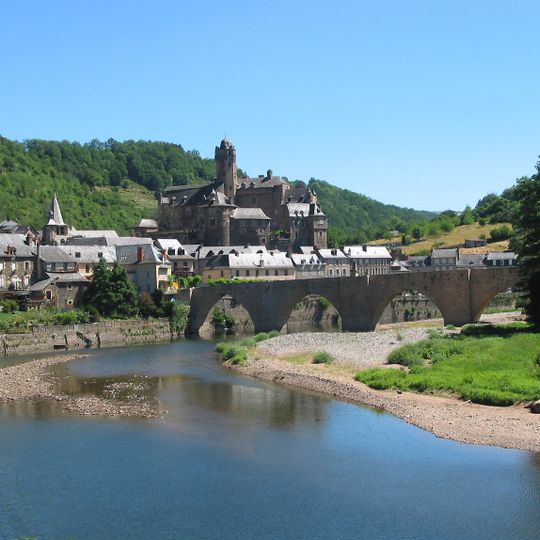
Estaing is a small village in the north of Aveyron nestled along the Lot River valley with old stone buildings arranged through narrow lanes. The settlement centers around several key structures: the 15th-century church of Saint Fleuret, an early 16th-century chapel displaying family crests, a medieval stone bridge crossing the river, and a 13th-century castle featuring five distinctive towers overlooking the valley.
Estaing developed around a 13th-century castle built with a pentagonal tower, controlled by the Estaing family whose power shaped the region for generations. The village later became a waypoint on the pilgrimage route to Saint-Jacques-de-Compostelle, giving it importance in both local and spiritual history.
The name Estaing refers to the family that once ruled this area, and their coat of arms still appears on many buildings throughout the village. The narrow lanes and ancient stone structures create a space where daily life remains intertwined with the marks of the past.
The village is free to enter and accessible year-round, with parking areas and public facilities nearby. Guided tours are available if you prefer structure, but exploring at your own pace works well since most pathways are flat and suitable for different activity levels.
The medieval stone arch of the bridge has been transformed into a gilded iron sculpture by an artist, serving as a regional symbol that has welcomed pilgrims for ages. A statue of François d'Estaing stands beside the bridge, marking the historic welcome point for travelers following the ancient pilgrimage route.
The community of curious travelers
AroundUs brings together thousands of curated places, local tips, and hidden gems, enriched daily by 92,422 contributors worldwide.