Guennoc island, Uninhabited island in Landéda, France
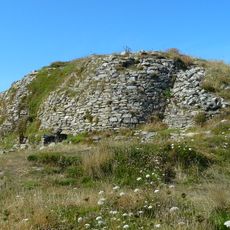
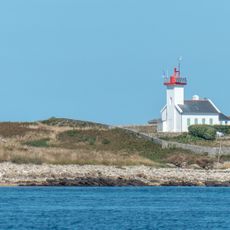
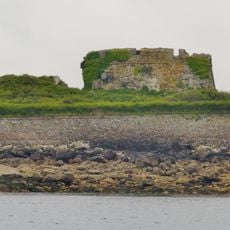
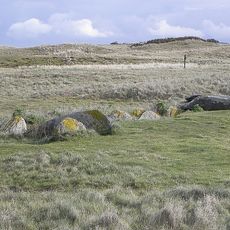
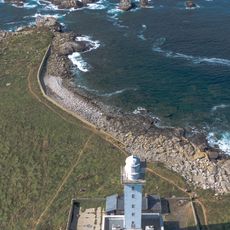
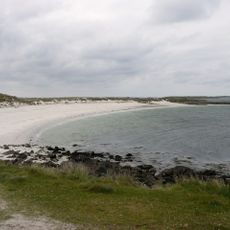
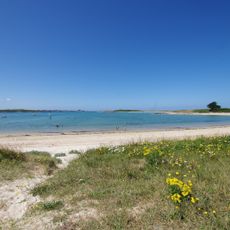
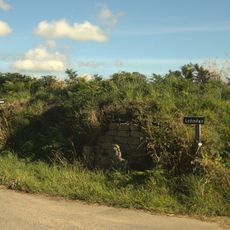
Guennoc Island is a low, narrow islet in the commune of Landéda, off the Sainte-Marguerite peninsula. It measures about 550 metres long and up to 300 metres wide, with a dark, densely vegetated surface and a pale band of sand and rock at the waterline. Four cairns holding dolmens sit on its central ridge.
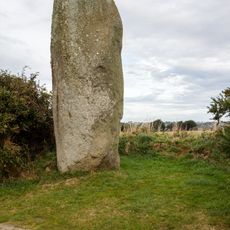
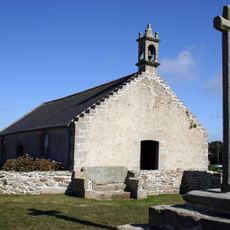
Four Neolithic cairns stand on the island's central ridge; the oldest dates to 4600 BC, contemporary with Barnenez and among the earliest monuments in the world. Excavations led by P.-R. Giot from 1960 to 1972 uncovered late La Tène amphorae from the Mediterranean, showing the island was a stop in ancient trade between Armorica and the British Isles. A medieval hermitage also stood here, and the island and its remains were classified as a monument historique on 24 September 1964.
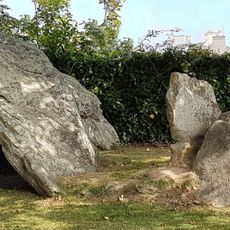
The four megalithic cairns scattered across the island served as burial chambers and remain central to how people understand this place. These ancient burial sites connect visitors to the communities that lived here thousands of years ago.
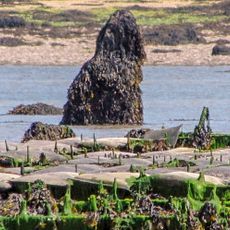
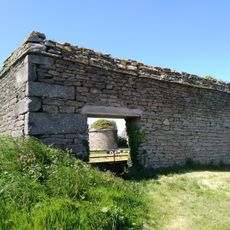
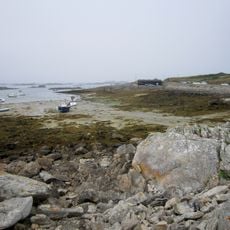
The island is hard to reach because of the Aber Vracht reef; boats cross from the oyster bay of Prat-ar-Coum. At low tide, the small islet of Roc'h-Avel nearby shows a dry-stone passage dolmen cut by the sea. The island is uninhabited and now home only to gulls and small seaweed-eating rabbits.
At low tide, the islet of Roc'h-Avel near Guennoc exposes a passage grave built of dry stone, its stonework cut by the sea. The island's own dolmens were raised when the sea lay 4–5 m lower and Guennoc was still a peninsula joined to the mainland.
The community of curious travelers
AroundUs brings together thousands of curated places, local tips, and hidden gems, enriched daily by 93,997 contributors worldwide.