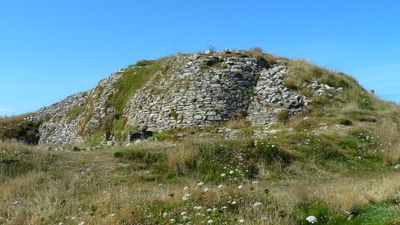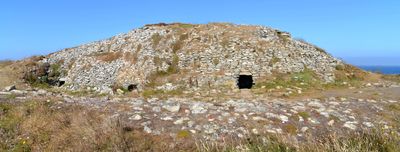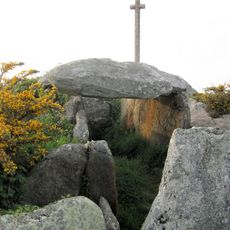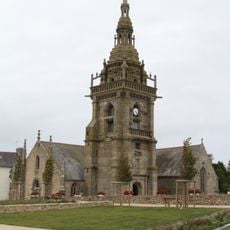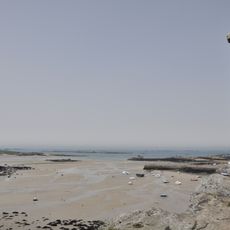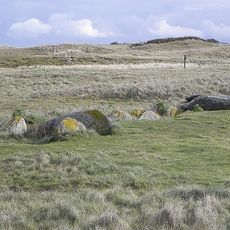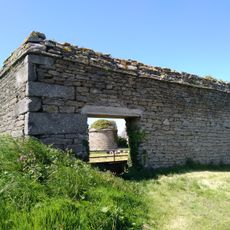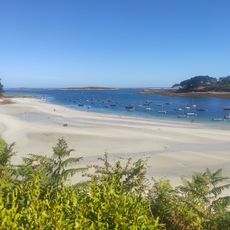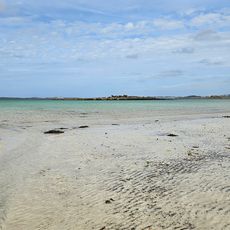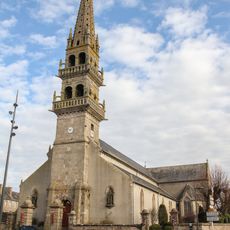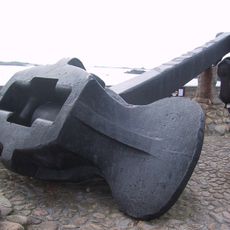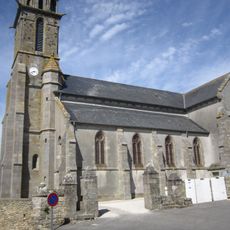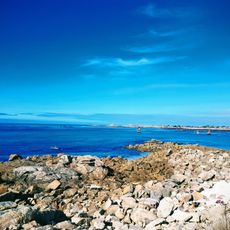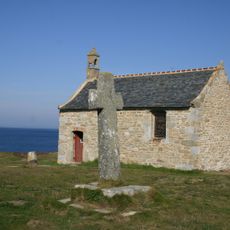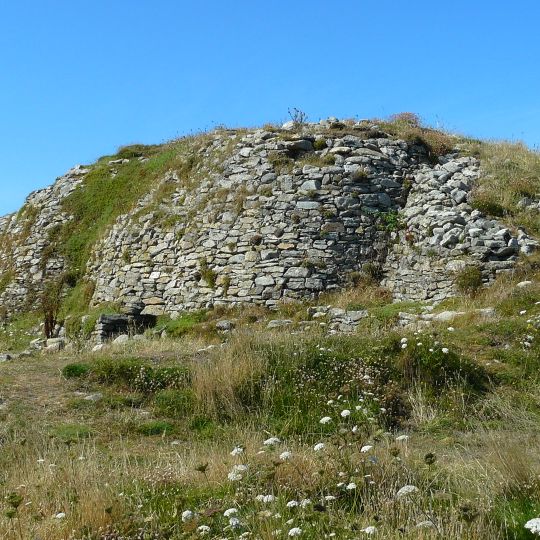
Tumulus de l'île Carn, Neolithic burial mound in Ploudalmézeau, France.
Tumulus de l'île Carn is a stone burial mound roughly 30 meters across and 8 meters tall, built on a tidal island off the Breton coast. Its interior holds three parallel passage graves, constructed with thousands of carefully stacked stones.
The central chamber dates to around 4200 BCE, placing it among Europe's oldest megalithic burial sites. Archaeological work from 1953 to 1972 revealed this ancient timeline and showed how Neolithic people conducted structured burials for their dead.
The name comes from Celtic languages and means stone heap, reflecting ancient building methods for burial sites. This place has been regarded by people across millennia as an important resting ground for their dead.
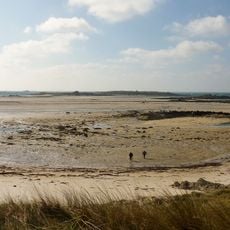
Access to the island is only possible at low tide, so check the tide schedule before planning your visit. Summer guided tours run through the Ploudalmézeau tourist office and provide context for understanding this ancient structure.
The central chamber has an unusual Q-shaped design that is rare among megalithic structures of that era. Pottery shards found inside became so characteristic that archaeologists named an entire pottery style after this site.
The community of curious travelers
AroundUs brings together thousands of curated places, local tips, and hidden gems, enriched daily by 91,631 contributors worldwide.