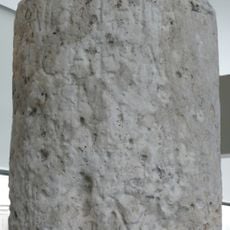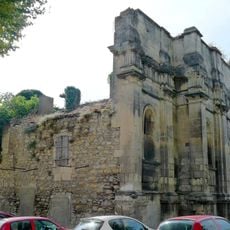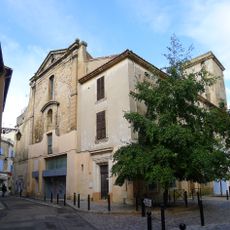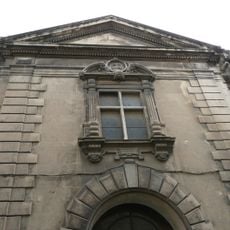
Ancient Roman circus of Arles, Roman archaeological site in Arles, France.
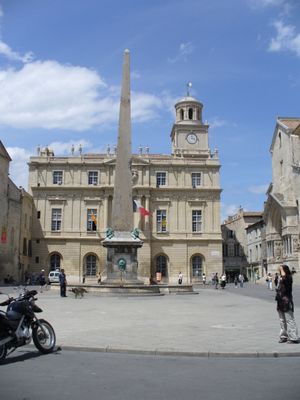
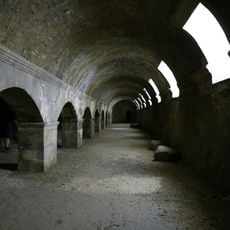
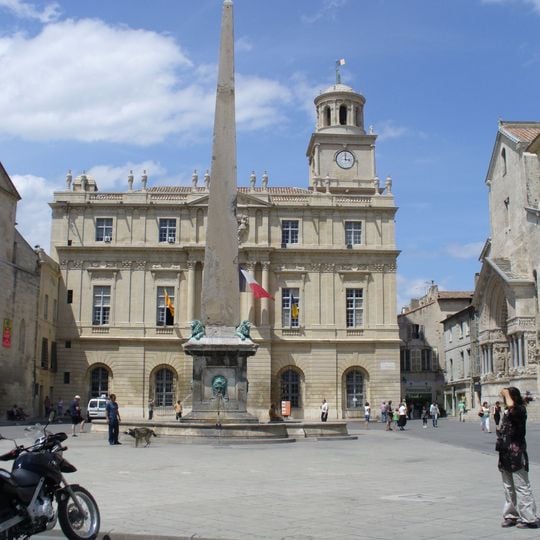
The Ancient Roman Circus of Arles is a ruined circus from 149 CE, the largest Roman building in the city, measuring 450 m by 101 m. Below the Musée départemental Arles antique, only the substructure of the cavea and the exterior of the rounded sphendone remain visible. The obelisk that once stood on the central spina is now on Place de la République.
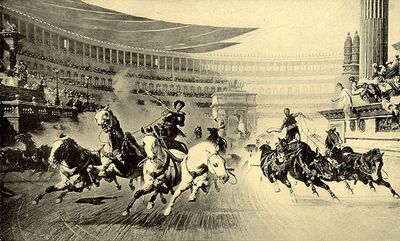
The circus was built around 149 CE under Emperor Antoninus Pius and served as the primary venue for chariot races and cavalry competitions. It remained in use until the 6th century, when it gradually fell out of favor.
The circus served as a social gathering where people from all walks of life watched chariot races and animal hunts together. These spectacles created shared moments that reinforced community bonds across the city.
The remains lie below the Musée départemental Arles antique, reachable on foot from the city centre along the Rhône. Only the substructure of the cavea and the outer wall of the rounded sphendone are visible; there are no underground sections to enter. The ground is uneven, so wear sturdy shoes.
The structure was built on marshy ground and required an extraordinary foundation technique using thousands of wooden stakes to achieve stability. This construction method shows the technical skill of Roman engineers when working on difficult terrain.
The community of curious travelers
AroundUs brings together thousands of curated places, local tips, and hidden gems, enriched daily by 93,365 contributors worldwide.