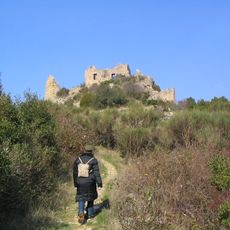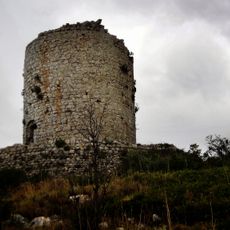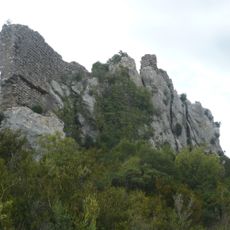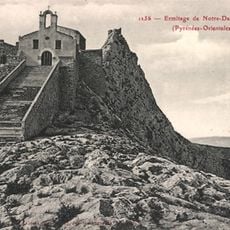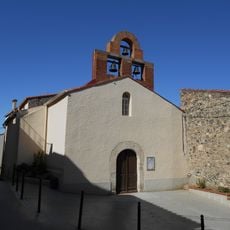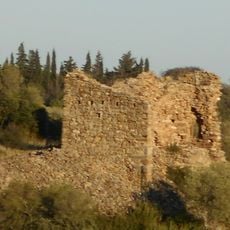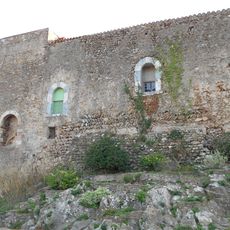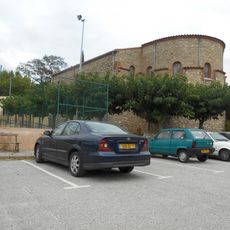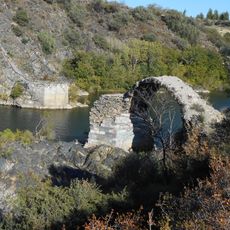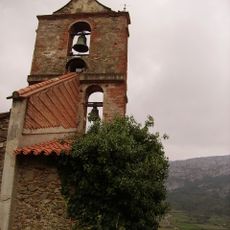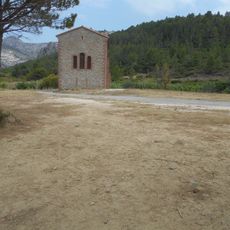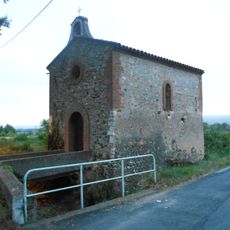
Tautavel, Archaeological village in Pyrénées-Orientales, France.
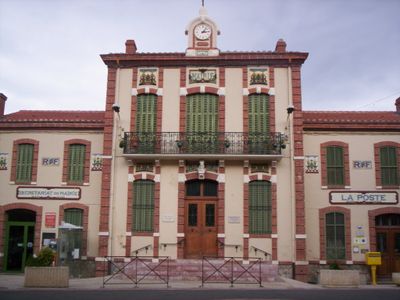
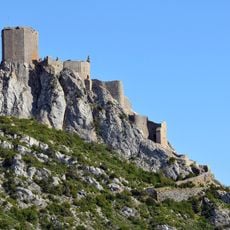
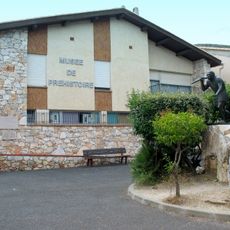
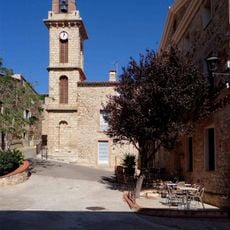
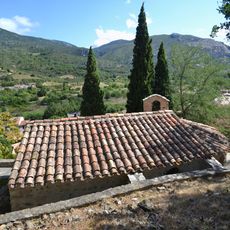
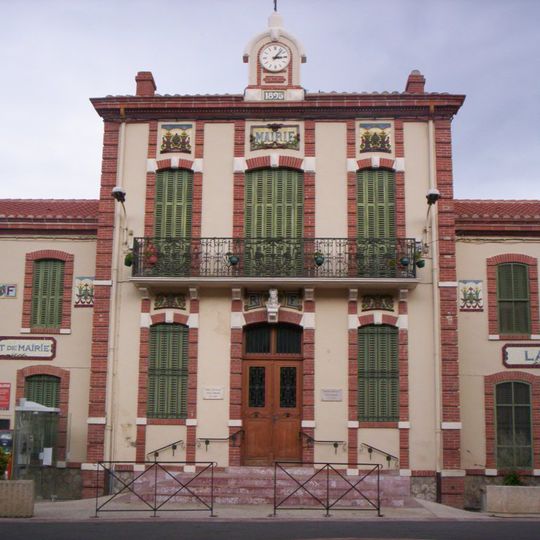
Tautavel is a village in the Pyrénées-Orientales situated on a hillside beneath limestone cliffs that have preserved thousands of years of human occupation. The place holds several major archaeological sites and a museum displaying tools, bones, and traces left by early people who lived in the region.
The village gained prominence in 1971 when researchers found the skull of a prehistoric human in a nearby cave, transforming understanding of early European settlement. This discovery and subsequent excavations established the area as a key location for paleonthropic research.
The village's identity is deeply rooted in its role as a gateway to understanding prehistoric human life in Europe. You can feel this connection throughout the place, where archaeological discoveries shape how locals and visitors alike understand the long human story.
The village is best explored on foot, with several walking trails connecting the archaeological sites to the surrounding landscape. Visitors should allow plenty of time for the museum exhibits and note that access to some cave sites may vary depending on weather conditions.
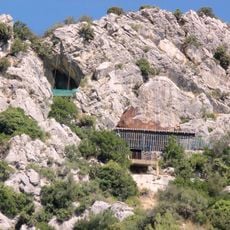
A single bone from the Caune de l'Arago cave, which scientists call Arago XXI, is roughly 450,000 years old and ranks among Europe's oldest known human skulls. This one discovery sparked decades of systematic digging that pulled tens of thousands of additional objects from the same layer.
The community of curious travelers
AroundUs brings together thousands of curated places, local tips, and hidden gems, enriched daily by 91,261 contributors worldwide.