Royal abbey of l'Epau, Royal Cistercian abbey in Yvré-l'Évêque, France
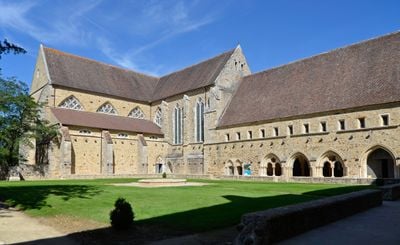
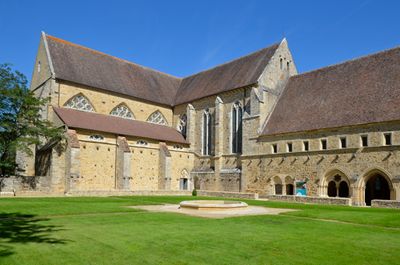
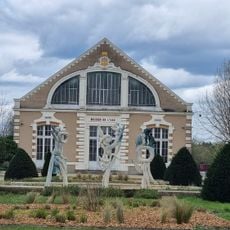
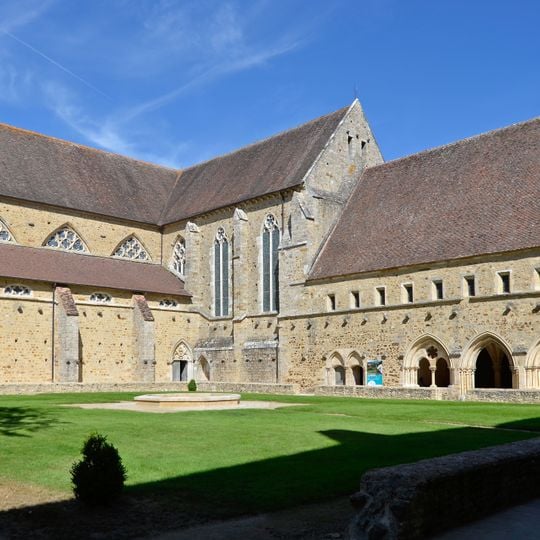
L'Abbaye de l'Épau is a royal Cistercian monastery located in Yvré-l'Évêque featuring a stone complex with an abbey church, chapter house, sacristy, cellars, and dormitory. The buildings occupy a 13-hectare walled park that also contains various outbuildings and landscaped grounds.
Berengaria of Navarre, widow of Richard the Lionheart, founded the abbey in 1229; twelve monks arrived from Cîteaux in 1230, and the bishop of Le Mans dedicated it in 1234. In March 1365, during the Hundred Years' War, the people of Le Mans burned the church to prevent enemy troops from using it; rebuilding lasted until 1444. The abbey was suppressed in the French Revolution, housed French officer POWs in July 1940, and was bought by the Sarthe General Council in 1958 for 11 million old francs.
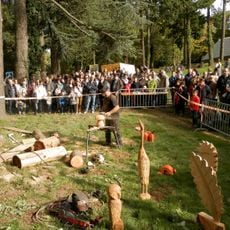
The abbey's name comes from the Latin Spallum, after the Espal land granted by Louis IX. Since the 1965–1990 period it has hosted classical music concerts, conferences and exhibitions, and it now also serves as a venue for events in the former monastic buildings.
The abbey stands at the edge of Le Mans, in Yvré-l'Évêque on the left bank of the Huisne, reached from the city by road toward the forest. Visitors move between the church, chapter house, sacristy and cellar, then cross the lawn with its low circular stone basin. The site has been open to visitors and events since the Sarthe council bought it in 1958.
Berengaria died at Le Mans in 1230 and was buried at the abbey she had founded; her tomb figure is the detail visitors most often overlook. The queen had spent years at the Palace of the Counts of Maine before founding the monastery.
The community of curious travelers
AroundUs brings together thousands of curated places, local tips, and hidden gems, enriched daily by 95,297 contributors worldwide.