See the monuments around you in AROpen chests in the app
Around Us is built for your phone — point your camera at the streets and discover the monuments and places around you in augmented reality.Around Us is built for your phone — chests unlock when you walk, explore and capture nearby places.
Le Mans draws visitors with layers of history spread across centuries. You can walk through streets where medieval buildings stand alongside Roman walls, visit a soaring Gothic cathedral filled with colored light from ancient glass, and explore museums housing everything from Egyptian treasures to racing trophies. The city's racing circuit has hosted one of the world's most demanding car races since the early 1900s, and its name remains synonymous with endurance and speed.
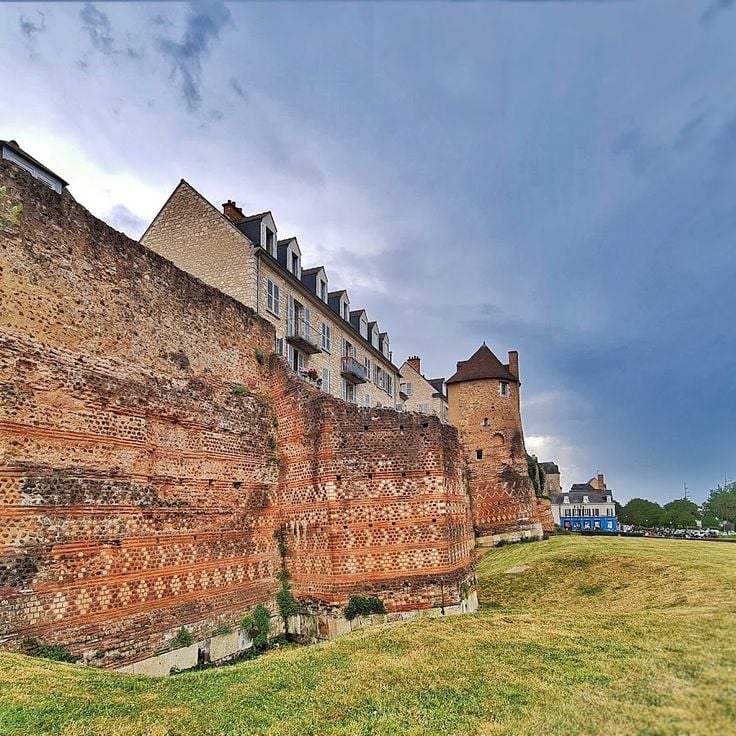
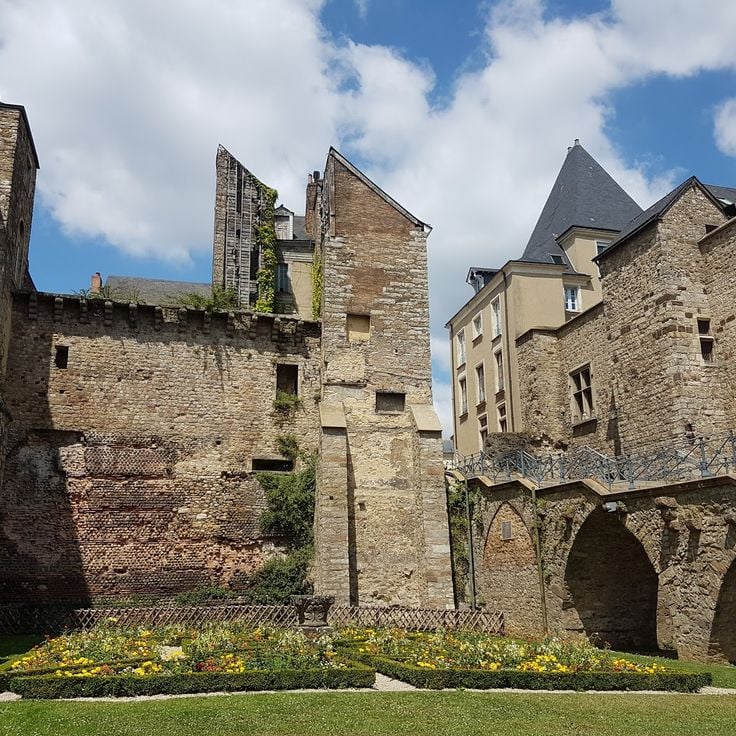
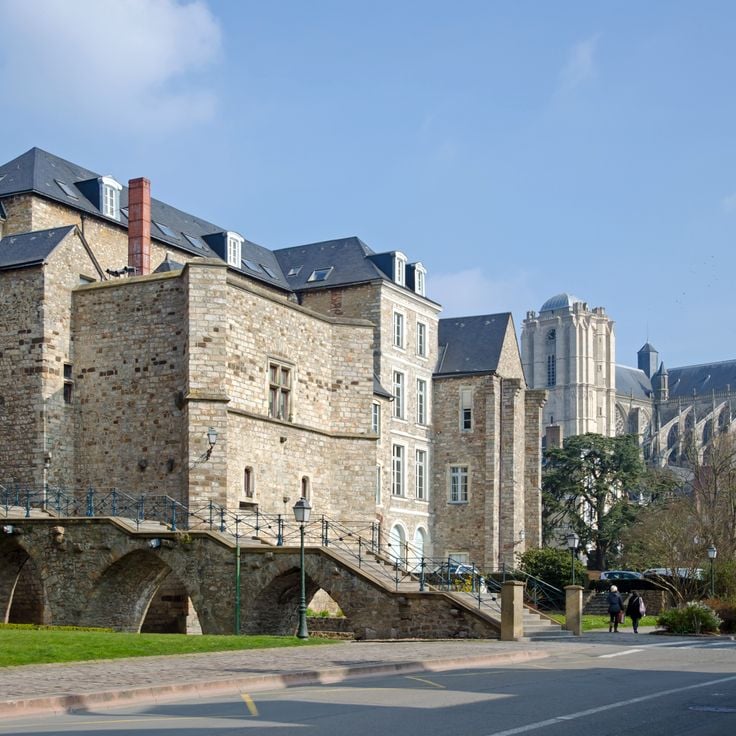
The old town sits on a hill, where narrow cobbled streets lead past half-timbered houses painted in warm colors and stone mansions with carved details. Religious buildings from the Middle Ages dot the landscape, including a former abbey founded by a queen nearly 800 years ago. Below the medieval quarter, you can see fragments of walls built by the Romans over 1700 years ago to defend their settlement, complete with the remains of watchtowers and gates.
Beyond the historic center, Le Mans offers green spaces for walking and relaxing. A botanical garden created in the 1800s grows over 350 varieties of roses and shelters centuries-old trees. Nearby, a large nature reserve with forests, meadows, and wetlands invites exploration on foot or by bicycle, with educational areas where you can learn about local wildlife and farming traditions.
Le Mans draws visitors with layers of history spread across centuries. You can walk through streets where medieval buildings stand alongside Roman walls, visit a soaring Gothic cathedral filled with colored light from ancient glass, and explore museums housing everything from Egyptian treasures to racing trophies. The city's racing circuit has hosted one of the world's most demanding car races since the early 1900s, and its name remains synonymous with endurance and speed.
The old town sits on a hill, where narrow cobbled streets lead past half-timbered houses painted in warm colors and stone mansions with carved details. Religious buildings from the Middle Ages dot the landscape, including a former abbey founded by a queen nearly 800 years ago. Below the medieval quarter, you can see fragments of walls built by the Romans over 1700 years ago to defend their settlement, complete with the remains of watchtowers and gates.
Beyond the historic center, Le Mans offers green spaces for walking and relaxing. A botanical garden created in the 1800s grows over 350 varieties of roses and shelters centuries-old trees. Nearby, a large nature reserve with forests, meadows, and wetlands invites exploration on foot or by bicycle, with educational areas where you can learn about local wildlife and farming traditions.
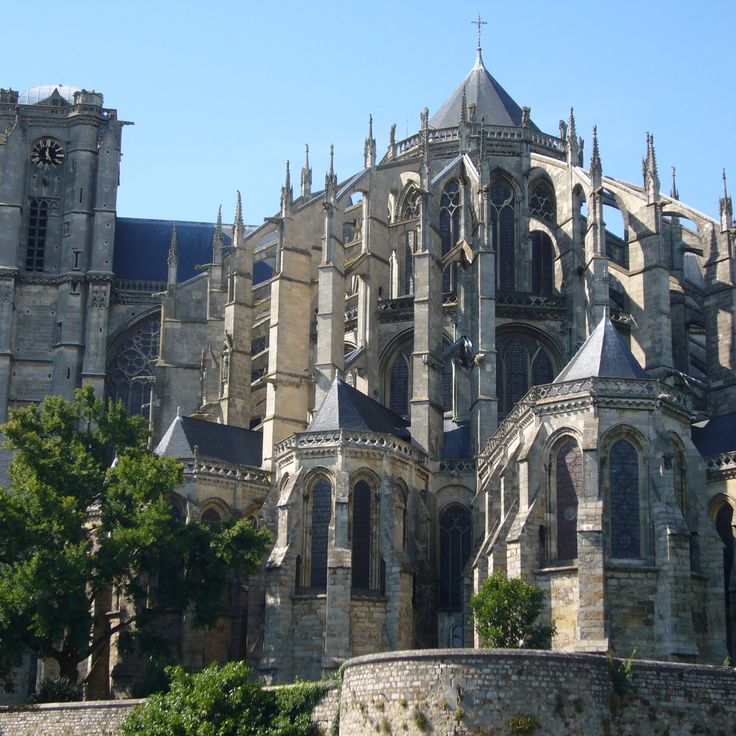
The Saint-Julien Cathedral in Le Mans was built over several centuries, from the 11th to the 15th, blending Romanesque and Gothic styles. Its 12th-century stained glass windows fill the interior with colored light, creating an experience of timelessness and spiritual reflection. The cathedral stands at the heart of the medieval quarter, anchoring the narrow cobbled streets of the old town and inviting visitors to step inside and look upward.
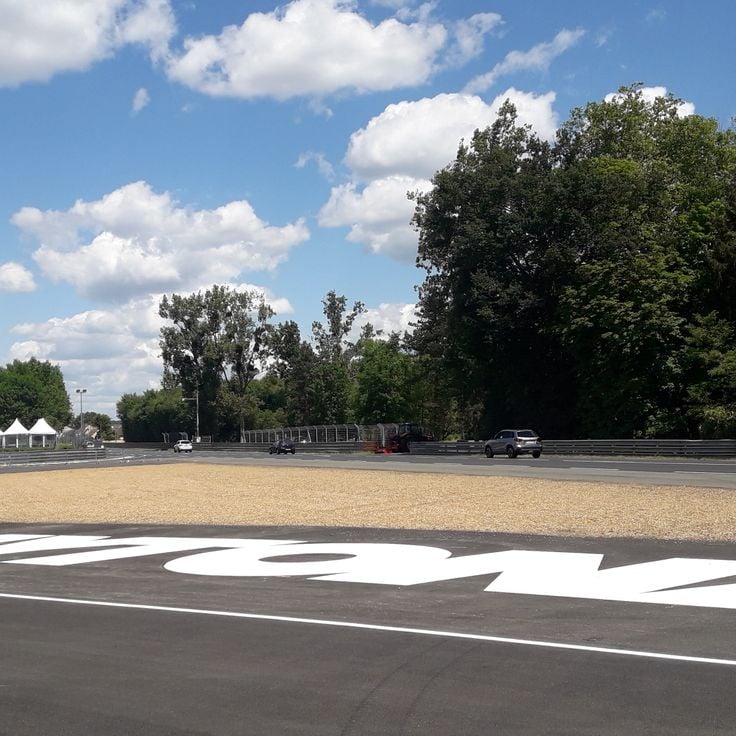
The 24 Hours Circuit at Le Mans is a 13.626-kilometer race track that incorporates sections of public road and has hosted one of the world's most demanding endurance races since 1923. This track has become synonymous with speed and endurance, drawing racing enthusiasts from around the world who want to experience the history and technical challenges of this legendary event.
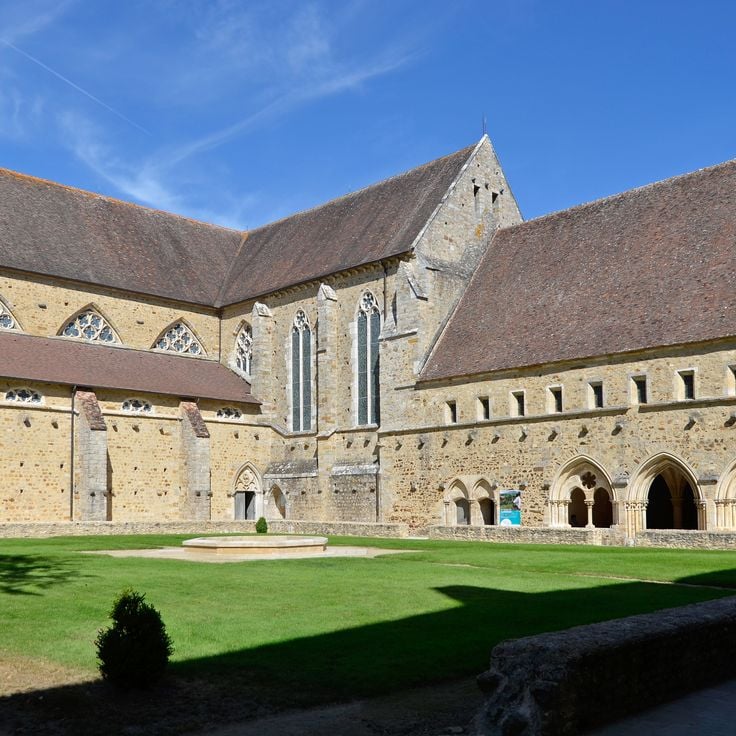
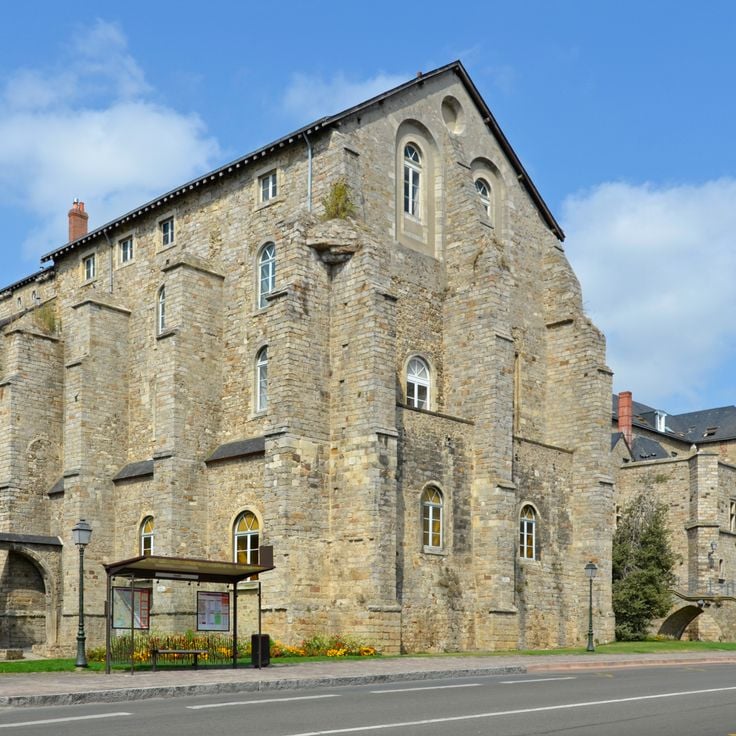
The Royal Abbey of Epau is a Cistercian monastery in Le Mans founded in 1230 by Queen Berengaria of Navarre, widow of Richard the Lionheart. The site displays medieval religious architecture through its abbey church and convent buildings, offering insight into monastic life from centuries past. This structure stands among the key witnesses to the medieval history that shapes Le Mans.
The Gallo-Roman Wall in this city guide represents layers of history that define Le Mans. Built in the 3rd century to protect the ancient settlement, this wall still stands with its watchtowers and fortified gates largely intact. Walking along the wall, you can see how the Romans engineered their defenses and how the city once existed within these protective boundaries. The Gallo-Roman Wall connects visitors directly to nearly 2000 years of the city's past.
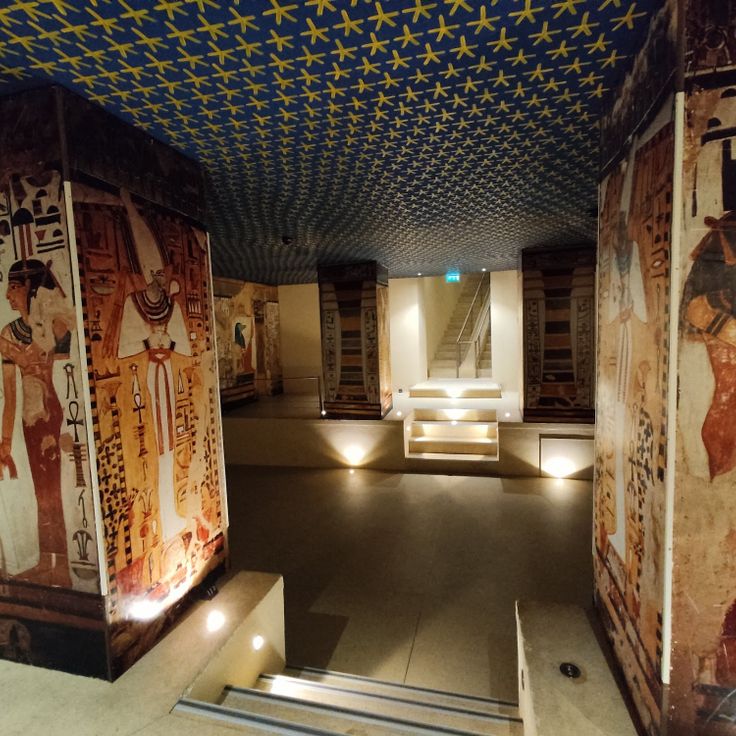
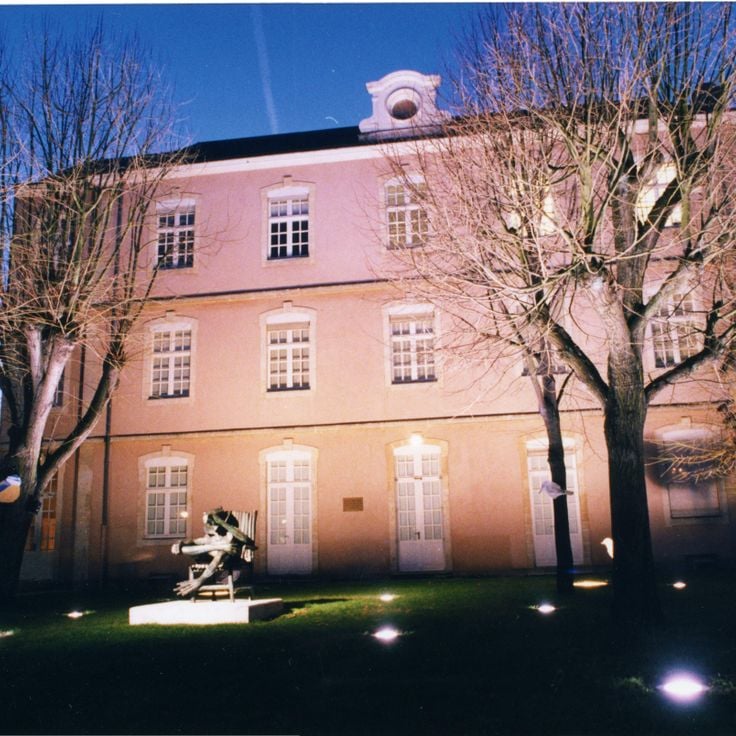
The Tessé Museum in this city houses paintings and sculptures spanning from the 14th to the 20th century. Its galleries feature works from different periods and dedicate space to Egyptian funerary art, including sarcophagi and burial objects from the Nile Valley. The museum complements Le Mans' layered history, where centuries of cultural treasures sit alongside Roman walls and medieval streets.
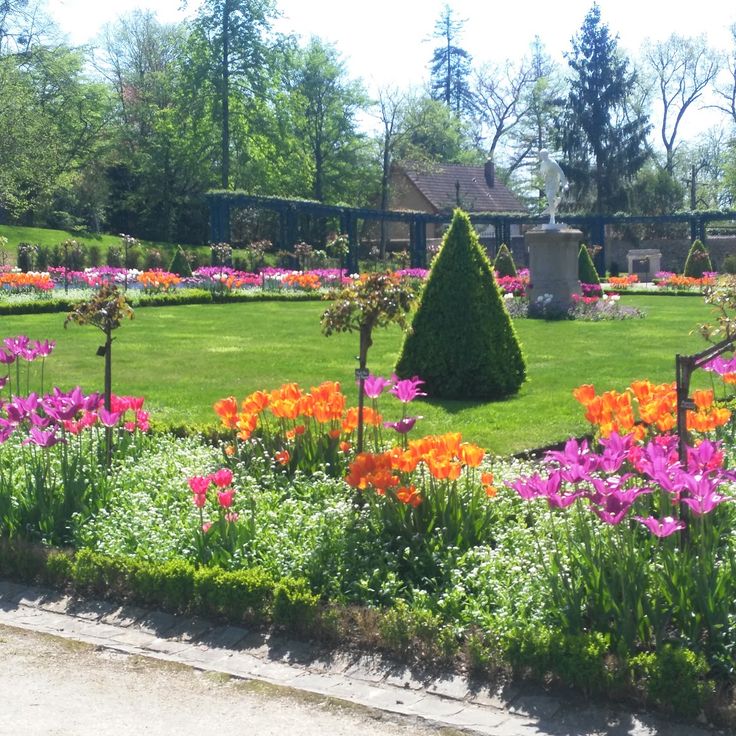
The Jardin des Plantes in Le Mans is a botanical garden created in the 19th century spanning three hectares. It grows over 350 varieties of roses alongside centuries-old trees that provide shade and shelter throughout the grounds. Visitors can walk through the garden at their own pace, discovering different plantings and finding quiet spots to sit and observe the seasonal changes.
The Musée des 24 Heures du Mans in this city documents the history of the famous car race. The permanent exhibition displays over 120 historic racing cars, trophies, and objects collected since 1923. Visitors can trace how racing vehicles evolved and learn about the drivers and achievements that shaped this competition over more than a century.
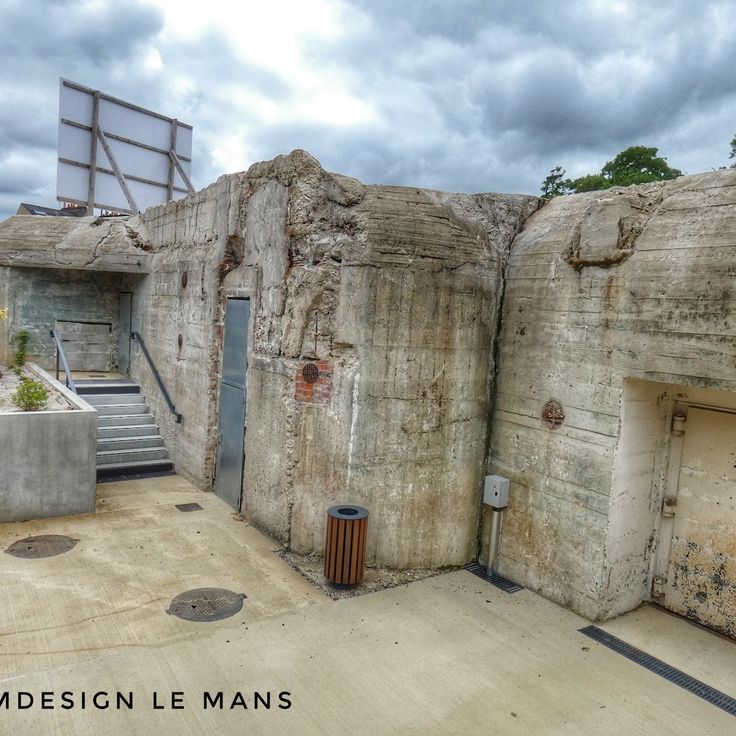
The Dollmann Bunker in Le Mans is an underground shelter built in 1942 under General Dollmann's command. The facility contains communication rooms and a medical post. This bunker reveals how the city was shaped by military structures during World War II and adds another layer to the many historical periods that define Le Mans.
In this city guide to Le Mans, the Plantagenet City stands as the heart of the old town, built on a hilltop where narrow cobbled streets wind between colorful half-timbered houses and stone mansions with carved ornaments. The buildings span from the 12th to 16th centuries, showing how the district grew and evolved across generations. Walking these streets, you experience the same routes that residents and travelers have followed for over 800 years, with facades painted in warm tones and architectural details that reflect the craftsmanship of medieval times.
The Arche de la Nature in Le Mans is a large natural area where you can walk through forests, meadows, and wetlands at your own pace. Educational farms dotted throughout the site teach visitors about local wildlife and farming traditions. The grounds feature walking and cycling trails, with marked paths leading through different habitats. Exhibitions and learning areas help you understand the natural systems and creatures living here. This space offers a chance to step away from the city's historic center and spend time among trees, water, and open fields.
The Musée Vert in Le Mans displays minerals, insects, regional birds, mammals, and fossils from the Jurassic and Cretaceous periods. It is a place where visitors can explore natural history, from tiny insects to large prehistoric bones. The exhibitions help you understand the geology and wildlife of the region.
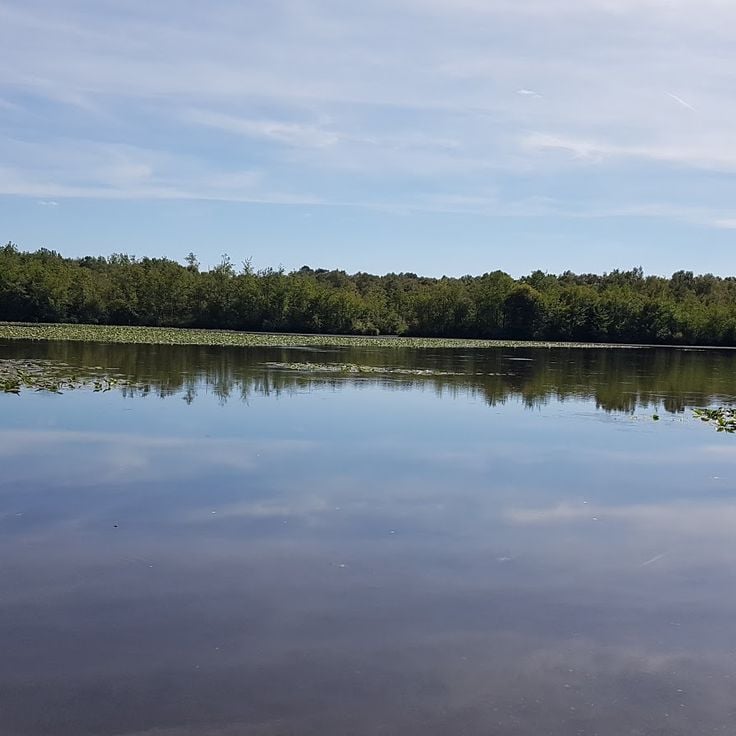
The Loudon Ponds represent the green spaces that complement Le Mans' historical core. This natural area contains peatlands and heaths crossed by trails through the forest of Parigné l'Évêque. Visitors can explore on foot or by bicycle, discovering local wildlife and forest ecosystems away from the medieval streets and cathedral of the city center.
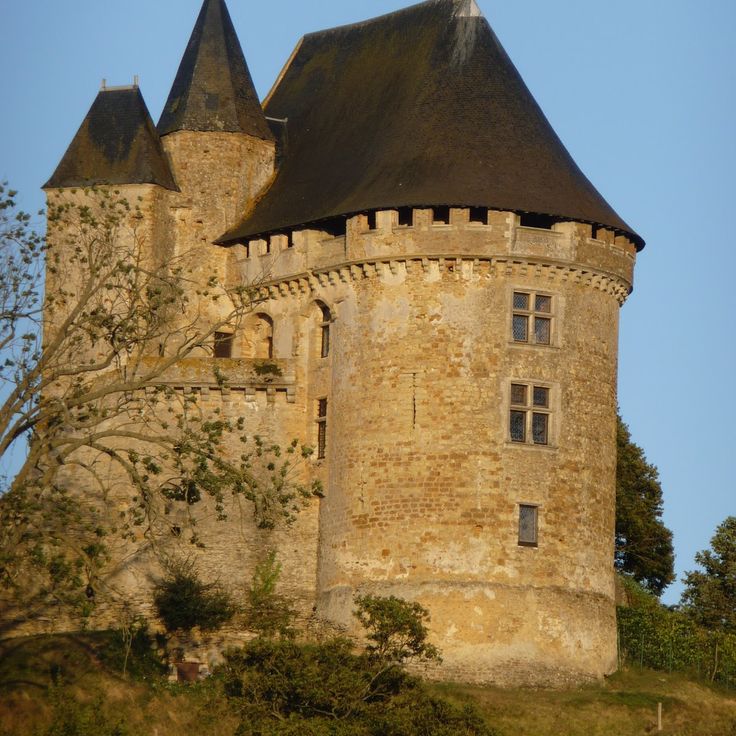
The Ballon Keep is a fortified tower built in the 11th century on a rocky promontory in this city of Le Mans, where visitors discover layers of history spread across centuries. It served as a lookout post to monitor the plain below. From this vantage point, you can look out across the medieval town, where narrow cobbled streets wind past half-timbered houses painted in warm colors and stone mansions with carved details.
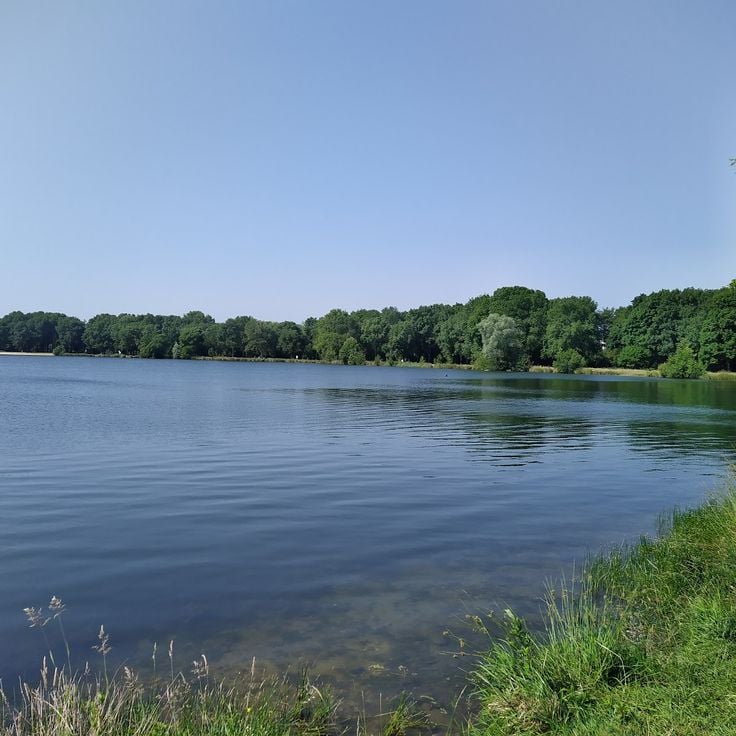
Lake Gemerie in Le Mans is a developed body of water for fishing, swimming, and water sports, with walking paths circling the lake. This lake complements the city's rich history stretching across centuries. You can stroll through streets where medieval buildings stand alongside Roman walls, visit a Gothic cathedral filled with colored light from ancient glass, and explore museums holding Egyptian treasures and racing trophies. Beyond the historic center, Le Mans offers green spaces for walking and relaxing, including a botanical garden with over 350 varieties of roses and a large nature reserve with forests, meadows, and wetlands.
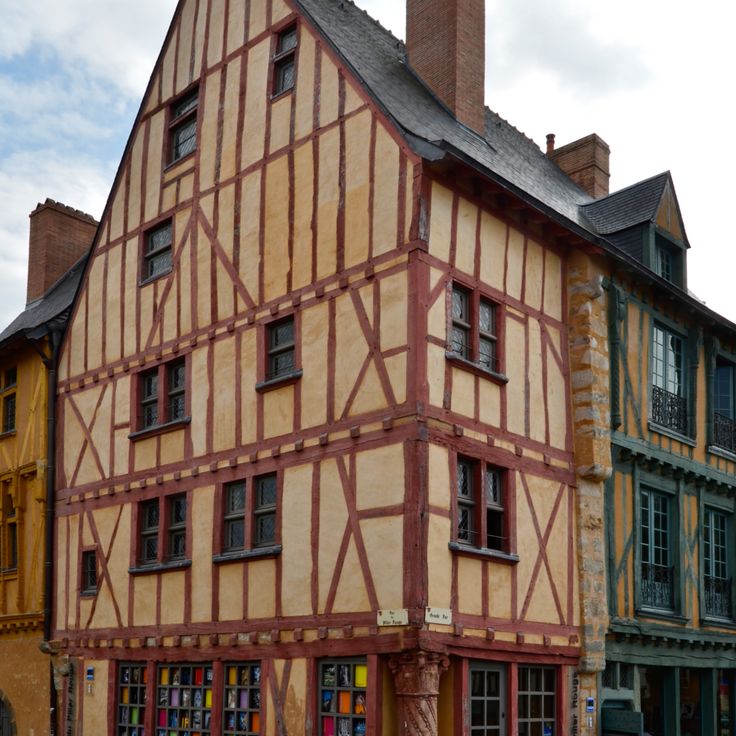
This 16th-century building in the city guide of Le Mans gets its name from its red-painted wooden beams that stand out against its facade. Situated in the heart of the old town where medieval structures and Roman walls coexist, the Maison du Pilier Rouge now serves as a visitor information center, helping people discover the layers of history that define this city.
The Botanical Garden in Le Mans sits as a green refuge within this historically layered city. Created in the 19th century, this garden offers a place to walk and pause from sightseeing. Over 350 varieties of roses grow here in different colors and shapes. Mature trees provide shade throughout the grounds, and greenhouses display rare plants from distant regions. The garden gives visitors a chance to experience nature and find quiet away from the city's busier streets.
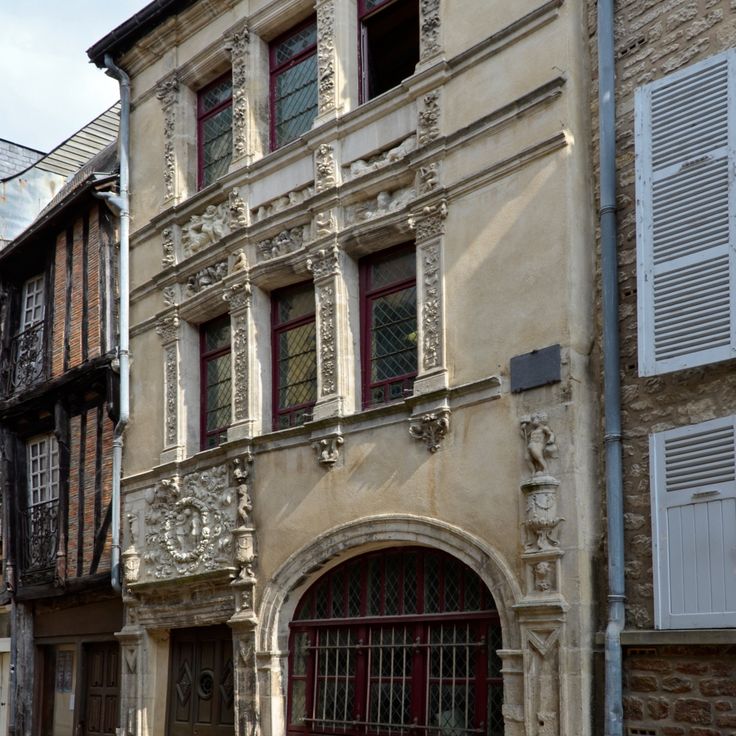
The Draper's House in Le Mans is a 15th-century building that shows how medieval merchants built their homes. Each floor extends further out over the street than the one below it, making the upper stories wider than the ground level. This design was practical for tradespeople who sold goods in the street below while living in the rooms above. The house sits in the old town, where narrow cobbled streets wind between half-timbered houses and stone buildings with carved details, remnants of Roman walls, and a Gothic cathedral.
The Royal Palace in this Le Mans city guide is a historic building constructed between the 11th and 12th centuries, originally serving as the residence of the counts of Maine. Today it houses municipal services and stands as a testament to the medieval past of the city, which draws visitors with layers of history spanning centuries.
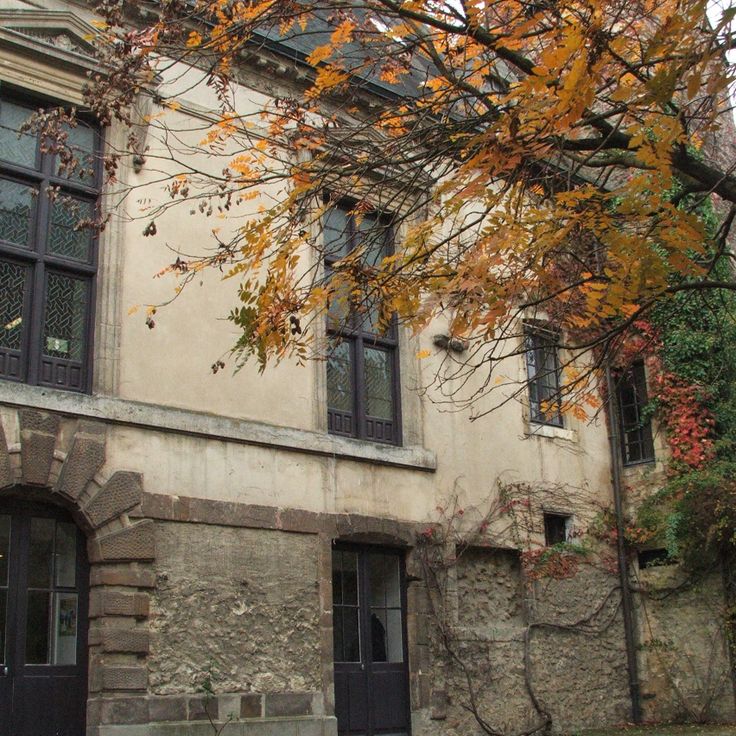
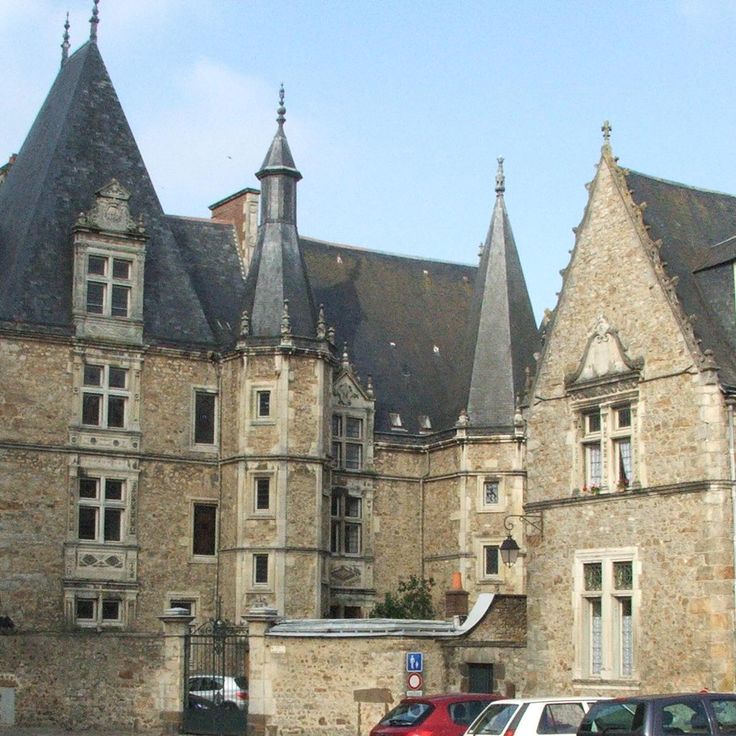
The Hôtel de Vignolles in Le Mans is a residential building built in the 16th century. It stands out for its steeply pitched roof made of Parisian slate, visible from Place Saint-Pierre. The building sits in the historic old town, where medieval houses stand alongside Roman walls and narrow cobbled streets wind between timber-framed houses and stone buildings with carved details.
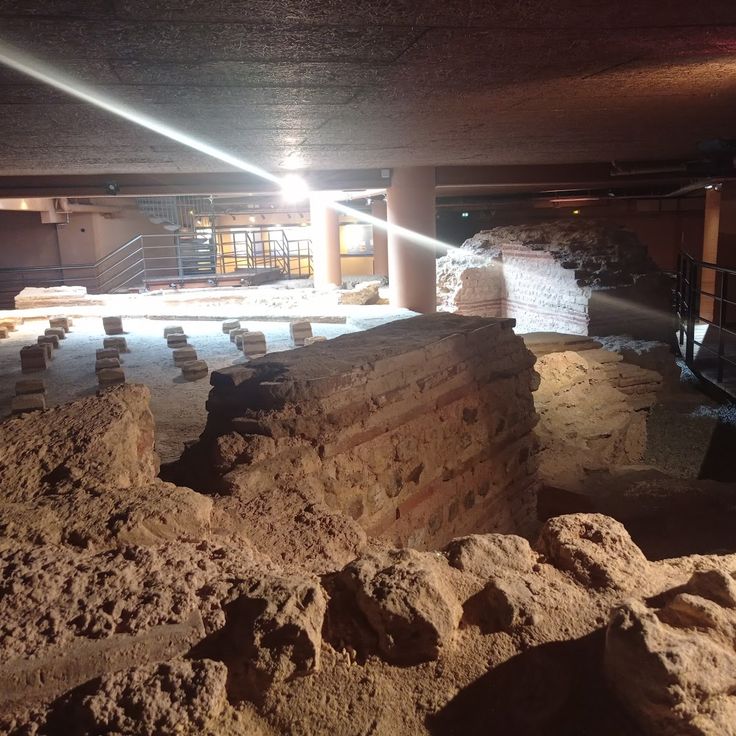
The Roman Baths in this city guide of Le Mans reveal the foundations and structures of public bathing facilities from the Gallo-Roman period. This archaeological site displays remains of the ancient city of Vindicum, offering visitors a window into daily life during Roman times, when people bathed in these communal spaces over 1700 years ago.
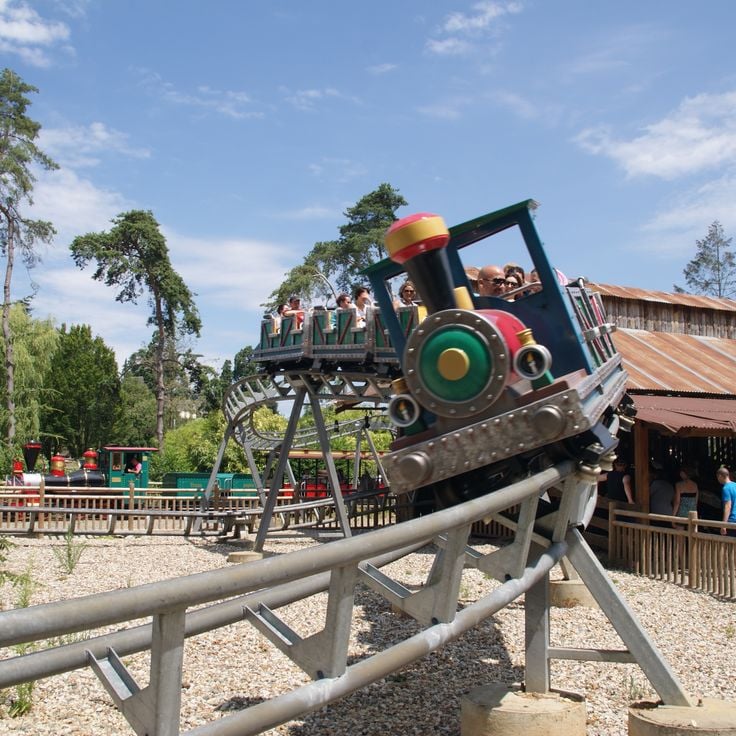
Papéa Park is an amusement center in Le Mans where visitors find over 40 attractions, including a monorail circuit, a whitewater ride, and children's play areas. The park features dining spaces where guests can rest between activities. As a modern recreation destination, it complements the city's historic sites and gives families a break from exploring medieval streets and museums.
The House of Adam and Eve is a 16th-century residential building in Le Mans distinguished by its carved stone facade. The facade features a stone panel depicting Ariadne and Bacchus, located at number 69 Grande-Rue. This building exemplifies the artistic details that characterize the city's medieval and early modern streets, where architecture and sculpture come together.
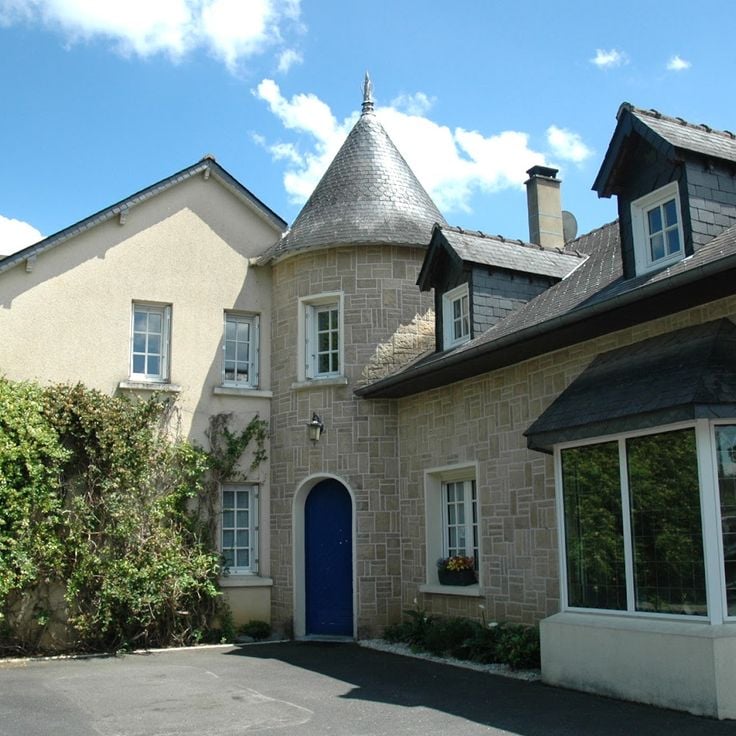
This house in Le Mans reveals how residents lived during the Renaissance. Built in the 16th century, the structure stands out for its rounded corner turret. Decorated gables and chimneys topped with stone merlons crown the roof. The turret makes this dwelling a distinctive example of medieval urban architecture.
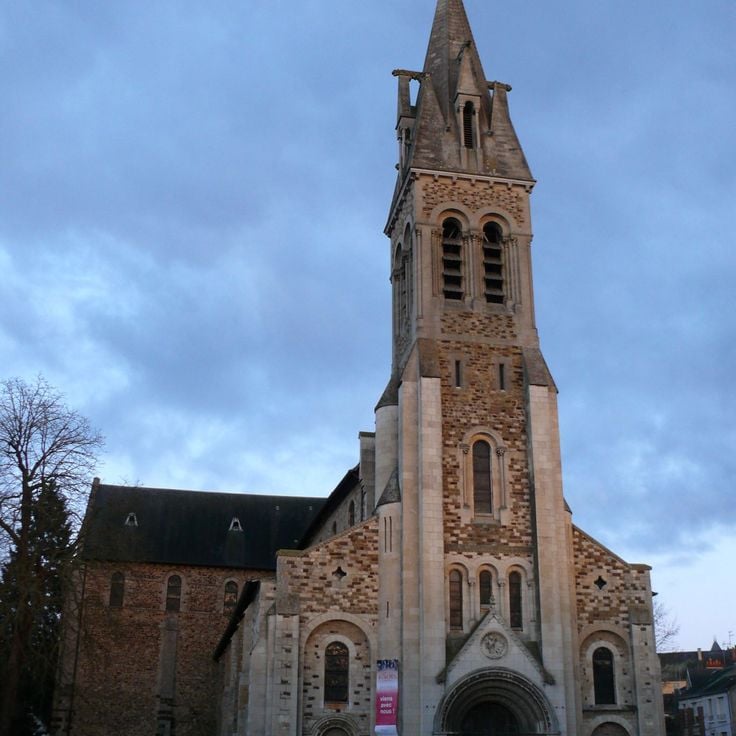
The Notre-Dame-du-Pré in this Le Mans city guide is a religious building where centuries of architecture come together. It features a Romanesque nave built in the 11th century, later enlarged with a Gothic choir. Modern glasswork installed in the 1950s floods the interior with light and connects the past with the present. This building stands within Le Mans' rich collection of medieval religious structures, where history is woven into the everyday landscape.
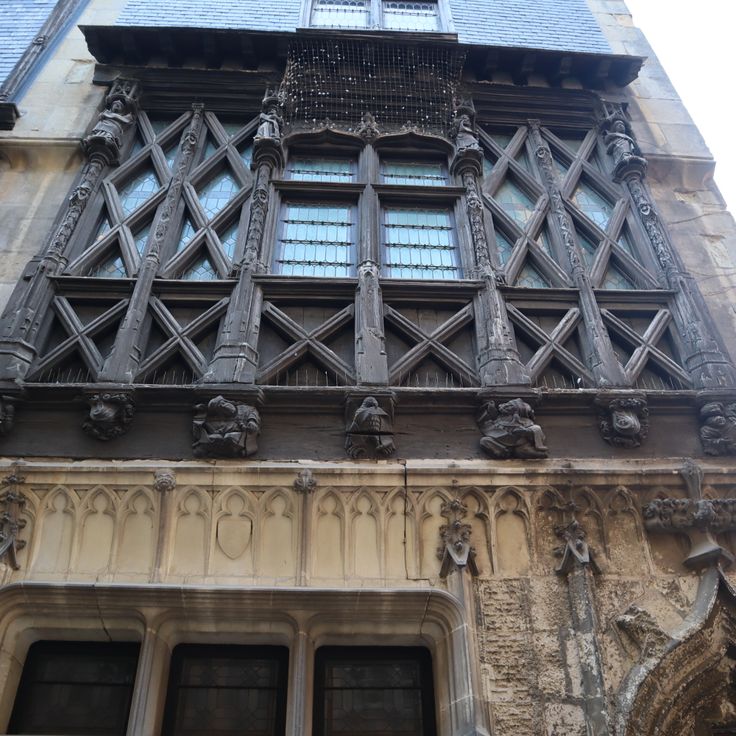
The Hôtel du Grabatoire is a 16th-century half-timbered house in Le Mans's old town. The facade is decorated with wooden sculptures and features mullioned windows. This building represents the architecture visitors encounter walking through the medieval streets of a city where ancient buildings stand beside Roman walls.
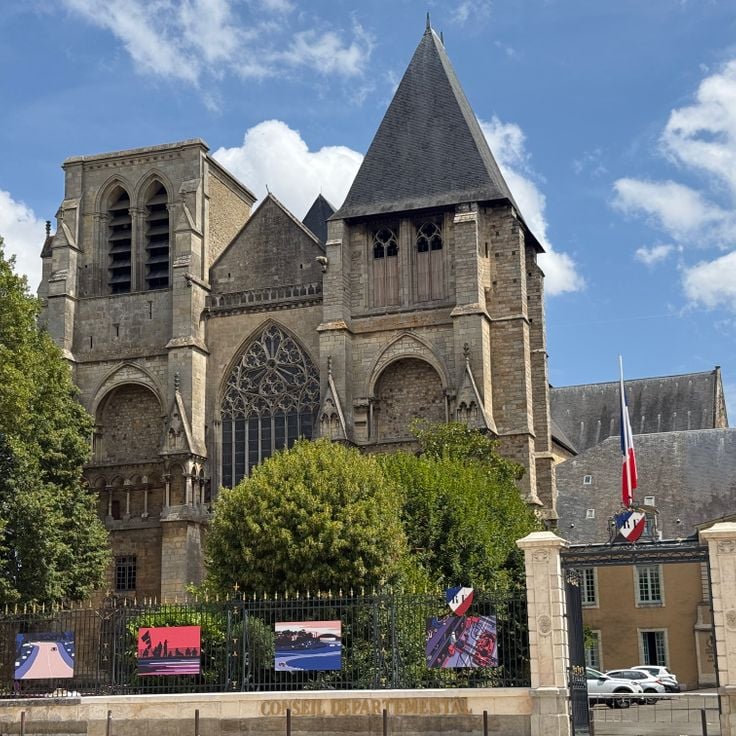
The Saint-Pierre-la-Cour Collegiate Church in Le Mans is a former Gothic structure from the 13th century, originally built for the counts of Maine. Today it serves as a venue for exhibitions and concerts, adding to the cultural life of this city where medieval buildings stand alongside Roman walls and centuries of history are visible at every turn.
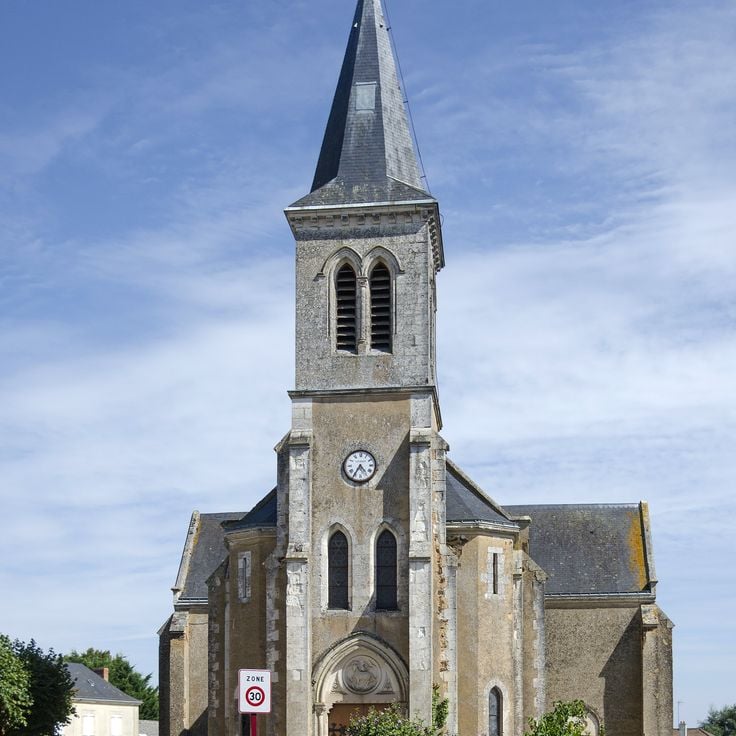
This church in Le Mans shows religious architecture built across several centuries. The underground chamber dates to the 11th century and displays Romanesque features. The main nave was constructed in the 13th century in the Gothic style. Later alterations continued until the 17th century. The building tells the story of different building phases that reflect the history of the city.
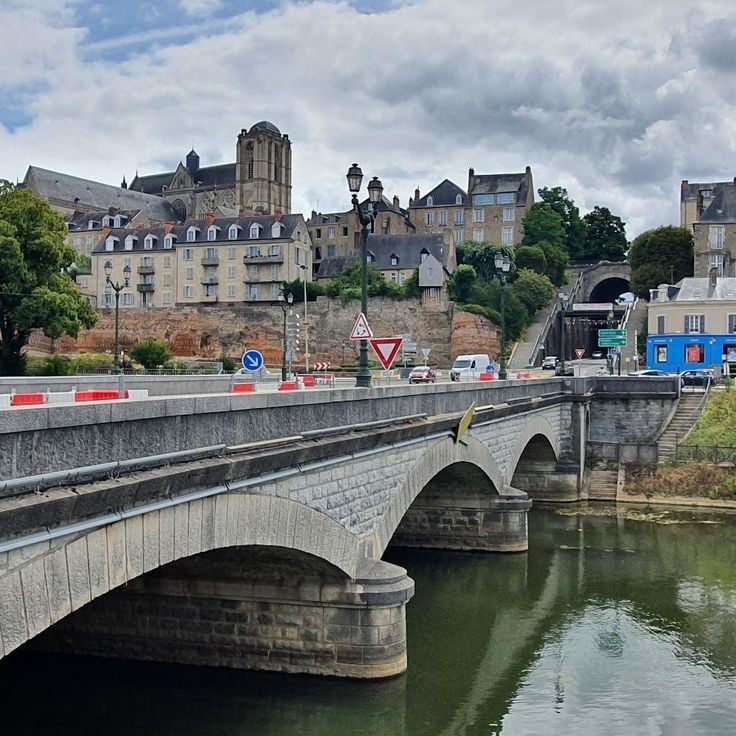
The Yssoir Bridge is a 15th-century stone bridge that crosses the Sarthe River in Le Mans, connecting both banks of the waterway. This medieval structure features three arches and once served as a crucial passage into the city. The bridge stands as a testament to the craftsmanship of its era and remains part of the layered history that defines Le Mans, where Roman walls, Gothic buildings, and medieval structures coexist across the landscape.
The Church of the Visitation is a 17th-century religious building in Le Mans, a city layered with history across centuries. This church features a classical facade with a portal adorned with Doric columns in limestone. In Le Mans, you can walk through streets where medieval buildings stand beside Roman walls, visit a soaring Gothic cathedral filled with colored light from ancient glass, and explore museums housing everything from Egyptian treasures to racing trophies.
The Saint-Julien Cathedral in Le Mans was built over several centuries, from the 11th to the 15th, blending Romanesque and Gothic styles. Its 12th-century stained glass windows fill the interior with colored light, creating an experience of timelessness and spiritual reflection. The cathedral stands at the heart of the medieval quarter, anchoring the narrow cobbled streets of the old town and inviting visitors to step inside and look upward.
The 24 Hours Circuit at Le Mans is a 13.626-kilometer race track that incorporates sections of public road and has hosted one of the world's most demanding endurance races since 1923. This track has become synonymous with speed and endurance, drawing racing enthusiasts from around the world who want to experience the history and technical challenges of this legendary event.
The Royal Abbey of Epau is a Cistercian monastery in Le Mans founded in 1230 by Queen Berengaria of Navarre, widow of Richard the Lionheart. The site displays medieval religious architecture through its abbey church and convent buildings, offering insight into monastic life from centuries past. This structure stands among the key witnesses to the medieval history that shapes Le Mans.
The Gallo-Roman Wall in this city guide represents layers of history that define Le Mans. Built in the 3rd century to protect the ancient settlement, this wall still stands with its watchtowers and fortified gates largely intact. Walking along the wall, you can see how the Romans engineered their defenses and how the city once existed within these protective boundaries. The Gallo-Roman Wall connects visitors directly to nearly 2000 years of the city's past.
The Tessé Museum in this city houses paintings and sculptures spanning from the 14th to the 20th century. Its galleries feature works from different periods and dedicate space to Egyptian funerary art, including sarcophagi and burial objects from the Nile Valley. The museum complements Le Mans' layered history, where centuries of cultural treasures sit alongside Roman walls and medieval streets.
The Jardin des Plantes in Le Mans is a botanical garden created in the 19th century spanning three hectares. It grows over 350 varieties of roses alongside centuries-old trees that provide shade and shelter throughout the grounds. Visitors can walk through the garden at their own pace, discovering different plantings and finding quiet spots to sit and observe the seasonal changes.
The Musée des 24 Heures du Mans in this city documents the history of the famous car race. The permanent exhibition displays over 120 historic racing cars, trophies, and objects collected since 1923. Visitors can trace how racing vehicles evolved and learn about the drivers and achievements that shaped this competition over more than a century.
The Dollmann Bunker in Le Mans is an underground shelter built in 1942 under General Dollmann's command. The facility contains communication rooms and a medical post. This bunker reveals how the city was shaped by military structures during World War II and adds another layer to the many historical periods that define Le Mans.
In this city guide to Le Mans, the Plantagenet City stands as the heart of the old town, built on a hilltop where narrow cobbled streets wind between colorful half-timbered houses and stone mansions with carved ornaments. The buildings span from the 12th to 16th centuries, showing how the district grew and evolved across generations. Walking these streets, you experience the same routes that residents and travelers have followed for over 800 years, with facades painted in warm tones and architectural details that reflect the craftsmanship of medieval times.
The Arche de la Nature in Le Mans is a large natural area where you can walk through forests, meadows, and wetlands at your own pace. Educational farms dotted throughout the site teach visitors about local wildlife and farming traditions. The grounds feature walking and cycling trails, with marked paths leading through different habitats. Exhibitions and learning areas help you understand the natural systems and creatures living here. This space offers a chance to step away from the city's historic center and spend time among trees, water, and open fields.
The Musée Vert in Le Mans displays minerals, insects, regional birds, mammals, and fossils from the Jurassic and Cretaceous periods. It is a place where visitors can explore natural history, from tiny insects to large prehistoric bones. The exhibitions help you understand the geology and wildlife of the region.
The Loudon Ponds represent the green spaces that complement Le Mans' historical core. This natural area contains peatlands and heaths crossed by trails through the forest of Parigné l'Évêque. Visitors can explore on foot or by bicycle, discovering local wildlife and forest ecosystems away from the medieval streets and cathedral of the city center.
The Ballon Keep is a fortified tower built in the 11th century on a rocky promontory in this city of Le Mans, where visitors discover layers of history spread across centuries. It served as a lookout post to monitor the plain below. From this vantage point, you can look out across the medieval town, where narrow cobbled streets wind past half-timbered houses painted in warm colors and stone mansions with carved details.
Lake Gemerie in Le Mans is a developed body of water for fishing, swimming, and water sports, with walking paths circling the lake. This lake complements the city's rich history stretching across centuries. You can stroll through streets where medieval buildings stand alongside Roman walls, visit a Gothic cathedral filled with colored light from ancient glass, and explore museums holding Egyptian treasures and racing trophies. Beyond the historic center, Le Mans offers green spaces for walking and relaxing, including a botanical garden with over 350 varieties of roses and a large nature reserve with forests, meadows, and wetlands.
This 16th-century building in the city guide of Le Mans gets its name from its red-painted wooden beams that stand out against its facade. Situated in the heart of the old town where medieval structures and Roman walls coexist, the Maison du Pilier Rouge now serves as a visitor information center, helping people discover the layers of history that define this city.
The Botanical Garden in Le Mans sits as a green refuge within this historically layered city. Created in the 19th century, this garden offers a place to walk and pause from sightseeing. Over 350 varieties of roses grow here in different colors and shapes. Mature trees provide shade throughout the grounds, and greenhouses display rare plants from distant regions. The garden gives visitors a chance to experience nature and find quiet away from the city's busier streets.
The Draper's House in Le Mans is a 15th-century building that shows how medieval merchants built their homes. Each floor extends further out over the street than the one below it, making the upper stories wider than the ground level. This design was practical for tradespeople who sold goods in the street below while living in the rooms above. The house sits in the old town, where narrow cobbled streets wind between half-timbered houses and stone buildings with carved details, remnants of Roman walls, and a Gothic cathedral.
The Royal Palace in this Le Mans city guide is a historic building constructed between the 11th and 12th centuries, originally serving as the residence of the counts of Maine. Today it houses municipal services and stands as a testament to the medieval past of the city, which draws visitors with layers of history spanning centuries.
The Hôtel de Vignolles in Le Mans is a residential building built in the 16th century. It stands out for its steeply pitched roof made of Parisian slate, visible from Place Saint-Pierre. The building sits in the historic old town, where medieval houses stand alongside Roman walls and narrow cobbled streets wind between timber-framed houses and stone buildings with carved details.
The Roman Baths in this city guide of Le Mans reveal the foundations and structures of public bathing facilities from the Gallo-Roman period. This archaeological site displays remains of the ancient city of Vindicum, offering visitors a window into daily life during Roman times, when people bathed in these communal spaces over 1700 years ago.
Papéa Park is an amusement center in Le Mans where visitors find over 40 attractions, including a monorail circuit, a whitewater ride, and children's play areas. The park features dining spaces where guests can rest between activities. As a modern recreation destination, it complements the city's historic sites and gives families a break from exploring medieval streets and museums.
The House of Adam and Eve is a 16th-century residential building in Le Mans distinguished by its carved stone facade. The facade features a stone panel depicting Ariadne and Bacchus, located at number 69 Grande-Rue. This building exemplifies the artistic details that characterize the city's medieval and early modern streets, where architecture and sculpture come together.
This house in Le Mans reveals how residents lived during the Renaissance. Built in the 16th century, the structure stands out for its rounded corner turret. Decorated gables and chimneys topped with stone merlons crown the roof. The turret makes this dwelling a distinctive example of medieval urban architecture.
The Notre-Dame-du-Pré in this Le Mans city guide is a religious building where centuries of architecture come together. It features a Romanesque nave built in the 11th century, later enlarged with a Gothic choir. Modern glasswork installed in the 1950s floods the interior with light and connects the past with the present. This building stands within Le Mans' rich collection of medieval religious structures, where history is woven into the everyday landscape.
The Hôtel du Grabatoire is a 16th-century half-timbered house in Le Mans's old town. The facade is decorated with wooden sculptures and features mullioned windows. This building represents the architecture visitors encounter walking through the medieval streets of a city where ancient buildings stand beside Roman walls.
The Saint-Pierre-la-Cour Collegiate Church in Le Mans is a former Gothic structure from the 13th century, originally built for the counts of Maine. Today it serves as a venue for exhibitions and concerts, adding to the cultural life of this city where medieval buildings stand alongside Roman walls and centuries of history are visible at every turn.
This church in Le Mans shows religious architecture built across several centuries. The underground chamber dates to the 11th century and displays Romanesque features. The main nave was constructed in the 13th century in the Gothic style. Later alterations continued until the 17th century. The building tells the story of different building phases that reflect the history of the city.
The Yssoir Bridge is a 15th-century stone bridge that crosses the Sarthe River in Le Mans, connecting both banks of the waterway. This medieval structure features three arches and once served as a crucial passage into the city. The bridge stands as a testament to the craftsmanship of its era and remains part of the layered history that defines Le Mans, where Roman walls, Gothic buildings, and medieval structures coexist across the landscape.
The Church of the Visitation is a 17th-century religious building in Le Mans, a city layered with history across centuries. This church features a classical facade with a portal adorned with Doric columns in limestone. In Le Mans, you can walk through streets where medieval buildings stand beside Roman walls, visit a soaring Gothic cathedral filled with colored light from ancient glass, and explore museums housing everything from Egyptian treasures to racing trophies.
The Saint-Julien Cathedral in Le Mans was built over several centuries, from the 11th to the 15th, blending Romanesque and Gothic styles. Its 12th-century stained glass windows fill the interior with colored light, creating an experience of timelessness and spiritual reflection. The cathedral stands at the heart of the medieval quarter, anchoring the narrow cobbled streets of the old town and inviting visitors to step inside and look upward.
The 24 Hours Circuit at Le Mans is a 13.626-kilometer race track that incorporates sections of public road and has hosted one of the world's most demanding endurance races since 1923. This track has become synonymous with speed and endurance, drawing racing enthusiasts from around the world who want to experience the history and technical challenges of this legendary event.
The Royal Abbey of Epau is a Cistercian monastery in Le Mans founded in 1230 by Queen Berengaria of Navarre, widow of Richard the Lionheart. The site displays medieval religious architecture through its abbey church and convent buildings, offering insight into monastic life from centuries past. This structure stands among the key witnesses to the medieval history that shapes Le Mans.
The Gallo-Roman Wall in this city guide represents layers of history that define Le Mans. Built in the 3rd century to protect the ancient settlement, this wall still stands with its watchtowers and fortified gates largely intact. Walking along the wall, you can see how the Romans engineered their defenses and how the city once existed within these protective boundaries. The Gallo-Roman Wall connects visitors directly to nearly 2000 years of the city's past.
The Tessé Museum in this city houses paintings and sculptures spanning from the 14th to the 20th century. Its galleries feature works from different periods and dedicate space to Egyptian funerary art, including sarcophagi and burial objects from the Nile Valley. The museum complements Le Mans' layered history, where centuries of cultural treasures sit alongside Roman walls and medieval streets.
The Jardin des Plantes in Le Mans is a botanical garden created in the 19th century spanning three hectares. It grows over 350 varieties of roses alongside centuries-old trees that provide shade and shelter throughout the grounds. Visitors can walk through the garden at their own pace, discovering different plantings and finding quiet spots to sit and observe the seasonal changes.
The Musée des 24 Heures du Mans in this city documents the history of the famous car race. The permanent exhibition displays over 120 historic racing cars, trophies, and objects collected since 1923. Visitors can trace how racing vehicles evolved and learn about the drivers and achievements that shaped this competition over more than a century.
The Dollmann Bunker in Le Mans is an underground shelter built in 1942 under General Dollmann's command. The facility contains communication rooms and a medical post. This bunker reveals how the city was shaped by military structures during World War II and adds another layer to the many historical periods that define Le Mans.
In this city guide to Le Mans, the Plantagenet City stands as the heart of the old town, built on a hilltop where narrow cobbled streets wind between colorful half-timbered houses and stone mansions with carved ornaments. The buildings span from the 12th to 16th centuries, showing how the district grew and evolved across generations. Walking these streets, you experience the same routes that residents and travelers have followed for over 800 years, with facades painted in warm tones and architectural details that reflect the craftsmanship of medieval times.
The Arche de la Nature in Le Mans is a large natural area where you can walk through forests, meadows, and wetlands at your own pace. Educational farms dotted throughout the site teach visitors about local wildlife and farming traditions. The grounds feature walking and cycling trails, with marked paths leading through different habitats. Exhibitions and learning areas help you understand the natural systems and creatures living here. This space offers a chance to step away from the city's historic center and spend time among trees, water, and open fields.
The Musée Vert in Le Mans displays minerals, insects, regional birds, mammals, and fossils from the Jurassic and Cretaceous periods. It is a place where visitors can explore natural history, from tiny insects to large prehistoric bones. The exhibitions help you understand the geology and wildlife of the region.
The Loudon Ponds represent the green spaces that complement Le Mans' historical core. This natural area contains peatlands and heaths crossed by trails through the forest of Parigné l'Évêque. Visitors can explore on foot or by bicycle, discovering local wildlife and forest ecosystems away from the medieval streets and cathedral of the city center.
The Ballon Keep is a fortified tower built in the 11th century on a rocky promontory in this city of Le Mans, where visitors discover layers of history spread across centuries. It served as a lookout post to monitor the plain below. From this vantage point, you can look out across the medieval town, where narrow cobbled streets wind past half-timbered houses painted in warm colors and stone mansions with carved details.
Lake Gemerie in Le Mans is a developed body of water for fishing, swimming, and water sports, with walking paths circling the lake. This lake complements the city's rich history stretching across centuries. You can stroll through streets where medieval buildings stand alongside Roman walls, visit a Gothic cathedral filled with colored light from ancient glass, and explore museums holding Egyptian treasures and racing trophies. Beyond the historic center, Le Mans offers green spaces for walking and relaxing, including a botanical garden with over 350 varieties of roses and a large nature reserve with forests, meadows, and wetlands.
This 16th-century building in the city guide of Le Mans gets its name from its red-painted wooden beams that stand out against its facade. Situated in the heart of the old town where medieval structures and Roman walls coexist, the Maison du Pilier Rouge now serves as a visitor information center, helping people discover the layers of history that define this city.
The Botanical Garden in Le Mans sits as a green refuge within this historically layered city. Created in the 19th century, this garden offers a place to walk and pause from sightseeing. Over 350 varieties of roses grow here in different colors and shapes. Mature trees provide shade throughout the grounds, and greenhouses display rare plants from distant regions. The garden gives visitors a chance to experience nature and find quiet away from the city's busier streets.
The Draper's House in Le Mans is a 15th-century building that shows how medieval merchants built their homes. Each floor extends further out over the street than the one below it, making the upper stories wider than the ground level. This design was practical for tradespeople who sold goods in the street below while living in the rooms above. The house sits in the old town, where narrow cobbled streets wind between half-timbered houses and stone buildings with carved details, remnants of Roman walls, and a Gothic cathedral.
The Royal Palace in this Le Mans city guide is a historic building constructed between the 11th and 12th centuries, originally serving as the residence of the counts of Maine. Today it houses municipal services and stands as a testament to the medieval past of the city, which draws visitors with layers of history spanning centuries.
The Hôtel de Vignolles in Le Mans is a residential building built in the 16th century. It stands out for its steeply pitched roof made of Parisian slate, visible from Place Saint-Pierre. The building sits in the historic old town, where medieval houses stand alongside Roman walls and narrow cobbled streets wind between timber-framed houses and stone buildings with carved details.
The Roman Baths in this city guide of Le Mans reveal the foundations and structures of public bathing facilities from the Gallo-Roman period. This archaeological site displays remains of the ancient city of Vindicum, offering visitors a window into daily life during Roman times, when people bathed in these communal spaces over 1700 years ago.
Papéa Park is an amusement center in Le Mans where visitors find over 40 attractions, including a monorail circuit, a whitewater ride, and children's play areas. The park features dining spaces where guests can rest between activities. As a modern recreation destination, it complements the city's historic sites and gives families a break from exploring medieval streets and museums.
The House of Adam and Eve is a 16th-century residential building in Le Mans distinguished by its carved stone facade. The facade features a stone panel depicting Ariadne and Bacchus, located at number 69 Grande-Rue. This building exemplifies the artistic details that characterize the city's medieval and early modern streets, where architecture and sculpture come together.
This house in Le Mans reveals how residents lived during the Renaissance. Built in the 16th century, the structure stands out for its rounded corner turret. Decorated gables and chimneys topped with stone merlons crown the roof. The turret makes this dwelling a distinctive example of medieval urban architecture.
The Notre-Dame-du-Pré in this Le Mans city guide is a religious building where centuries of architecture come together. It features a Romanesque nave built in the 11th century, later enlarged with a Gothic choir. Modern glasswork installed in the 1950s floods the interior with light and connects the past with the present. This building stands within Le Mans' rich collection of medieval religious structures, where history is woven into the everyday landscape.
The Hôtel du Grabatoire is a 16th-century half-timbered house in Le Mans's old town. The facade is decorated with wooden sculptures and features mullioned windows. This building represents the architecture visitors encounter walking through the medieval streets of a city where ancient buildings stand beside Roman walls.
The Saint-Pierre-la-Cour Collegiate Church in Le Mans is a former Gothic structure from the 13th century, originally built for the counts of Maine. Today it serves as a venue for exhibitions and concerts, adding to the cultural life of this city where medieval buildings stand alongside Roman walls and centuries of history are visible at every turn.
This church in Le Mans shows religious architecture built across several centuries. The underground chamber dates to the 11th century and displays Romanesque features. The main nave was constructed in the 13th century in the Gothic style. Later alterations continued until the 17th century. The building tells the story of different building phases that reflect the history of the city.
The Yssoir Bridge is a 15th-century stone bridge that crosses the Sarthe River in Le Mans, connecting both banks of the waterway. This medieval structure features three arches and once served as a crucial passage into the city. The bridge stands as a testament to the craftsmanship of its era and remains part of the layered history that defines Le Mans, where Roman walls, Gothic buildings, and medieval structures coexist across the landscape.
The Church of the Visitation is a 17th-century religious building in Le Mans, a city layered with history across centuries. This church features a classical facade with a portal adorned with Doric columns in limestone. In Le Mans, you can walk through streets where medieval buildings stand beside Roman walls, visit a soaring Gothic cathedral filled with colored light from ancient glass, and explore museums housing everything from Egyptian treasures to racing trophies.