Où les pilotes repoussent les limites de leurs machines et testent leurs compétences face à des défis différents sur chaque piste.
Racing circuits are places where motorsport history happens. Each track has its own character: some are flat and fast, others are tight and technical. Daytona in Florida is known for long straightaways, Silverstone in England for high-speed corners, and the streets of Monaco show how drivers navigate tight urban spaces.
These circuits are more than pavement. They are places where drivers test their abilities and teams push their machines to the limit. Suzuka in Japan, Monza in Italy, and Spa-Francorchamps in Belgium each present different challenges. Every track demands different techniques from those who race on it.
For motorsport fans and curious visitors alike, these circuits are stages for legendary races and the constant pursuit of speed. These spaces show why people care deeply about racing. They draw crowds from around the world who come to witness the skill and determination that motorsport demands.
Où les pilotes repoussent les limites de leurs machines et testent leurs compétences face à des défis différents sur chaque piste.
Racing circuits are places where motorsport history happens. Each track has its own character: some are flat and fast, others are tight and technical. Daytona in Florida is known for long straightaways, Silverstone in England for high-speed corners, and the streets of Monaco show how drivers navigate tight urban spaces.
These circuits are more than pavement. They are places where drivers test their abilities and teams push their machines to the limit. Suzuka in Japan, Monza in Italy, and Spa-Francorchamps in Belgium each present different challenges. Every track demands different techniques from those who race on it.
For motorsport fans and curious visitors alike, these circuits are stages for legendary races and the constant pursuit of speed. These spaces show why people care deeply about racing. They draw crowds from around the world who come to witness the skill and determination that motorsport demands.
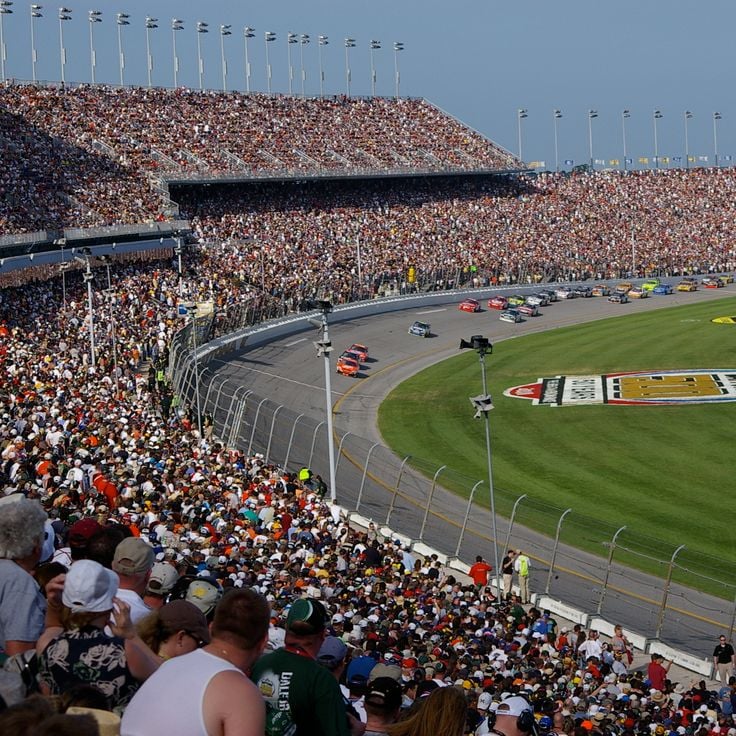
The Daytona International Speedway is a race track for car sports fans. The track opened in 1959 and has very steep turns at 31 degrees as well as a long straight section. Every year, drivers and spectators come here to experience the speed and challenges of this well-known race place, in a lively setting.
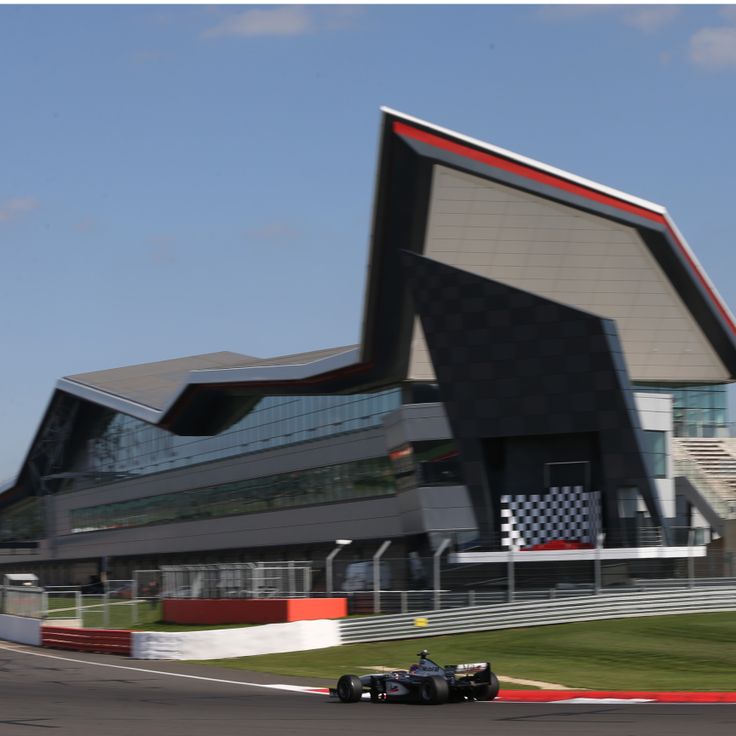
The Silverstone circuit is a famous track in Northamptonshire and a well-known place for motorsport fans. The track opened in 1947 on land from an old military airfield from World War II and became a venue for international competitions. With its challenging turns and fast straight sections, this circuit has shaped international motorsport for many years.
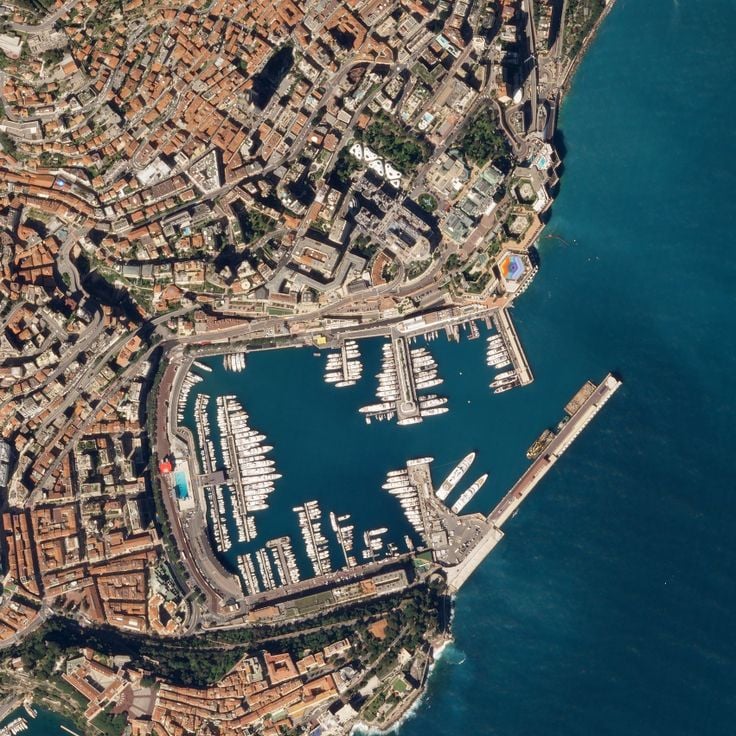
The Monaco Grand Prix Circuit is a 1.2-mile (2 km) street course that winds through Monte Carlo and La Condamine. This racing circuit stands among the most challenging and famous tracks in the world. With its 19 corners, tight passages, and distinctive harbor tunnel, it demands extreme precision and skill from drivers. The course is used only once each year for the legendary race, and it reflects decades of motorsport history.
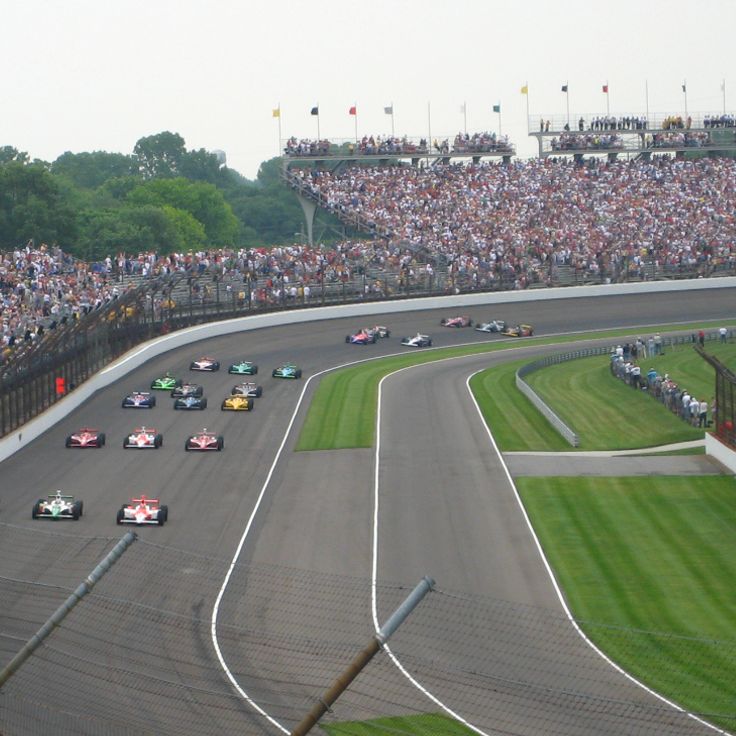
The Indianapolis Motor Speedway is a famous racing track that opened in 1909 and holds an important place in this collection of international racing circuits for motorsport enthusiasts. The track spans about 2.5 miles and features four different configurations that allow for varied racing experiences. It has hosted significant moments in motorsport history and continues to attract drivers from around the world who test their skills on its technical layout.
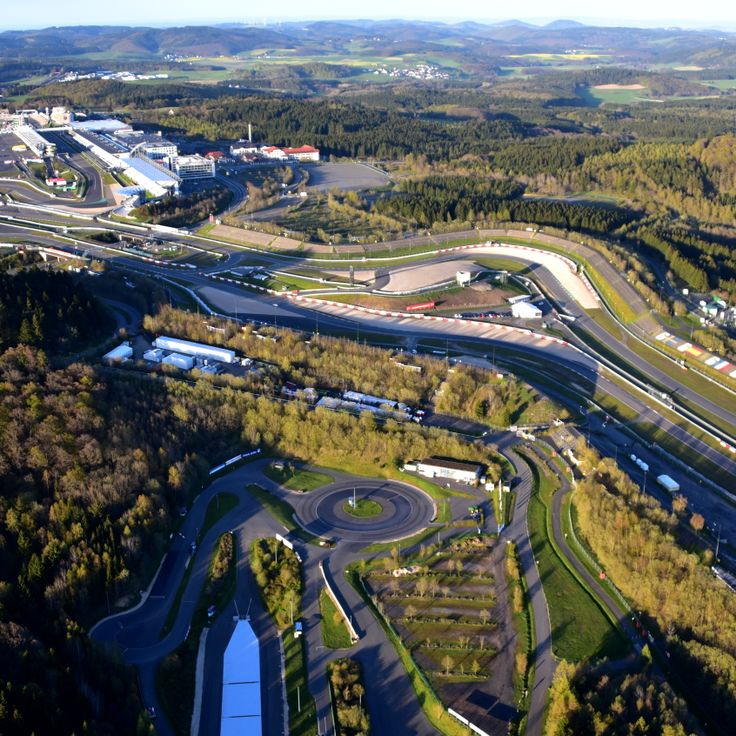
The Nürburgring Nordschleife is a 20.8 kilometer (12.9 mile) racing circuit through the Eifel mountains that has tested drivers since opening in 1927. This track ranks among the world's most demanding racing circuits, drawing motorsport enthusiasts who seek to experience its technical challenges and storied history firsthand.
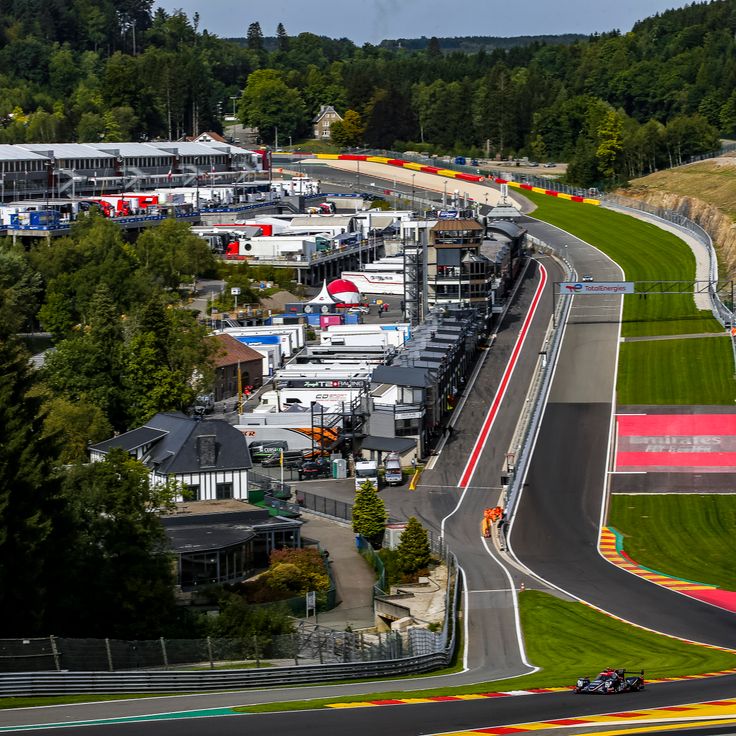
The Circuit de Spa-Francorchamps is a Formula One track that winds through the rolling hills of the Ardennes region. With 19 corners stretched across 7 kilometers, this circuit presents technical challenges that have defined racing history. The track is known for its high-speed sections and unpredictable weather, creating dramatic racing conditions that have produced some of motorsport's most memorable moments.
The Autodromo Nazionale Monza is a racing circuit near Milan that was built in 1922. It ranks among the fastest racing tracks in the world and is known for its long straights and high-speed corners. The venue has a long motorsport history and hosts the Italian Grand Prix. The circuit offers drivers and fans an unforgettable experience.
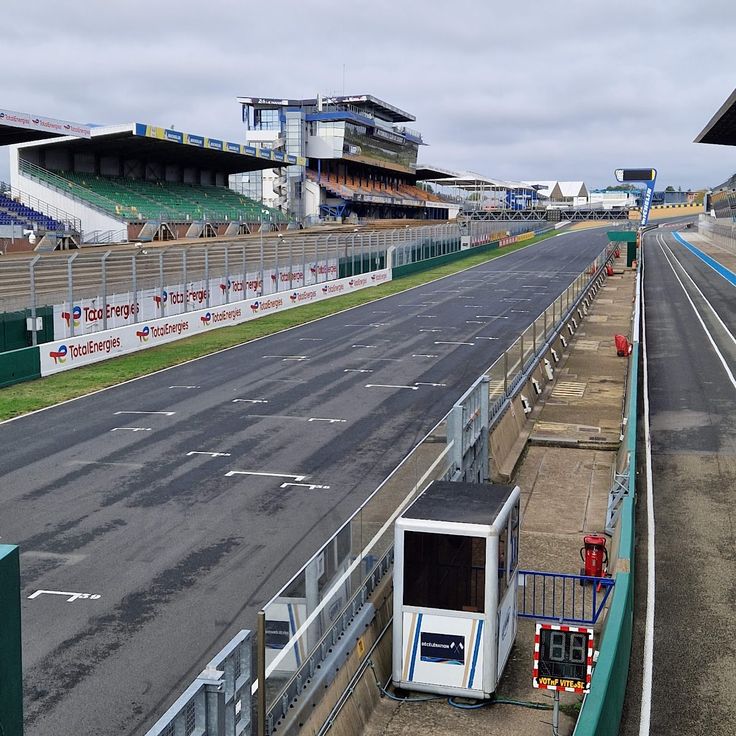
The Circuit de la Sarthe near Le Mans is one of the most celebrated racing tracks for endurance competitions. The track combines sections of permanent racing circuit with public roads, spanning about 13.6 kilometers (8.5 miles). International championships are held here, and the circuit has been the site of defining moments in racing history. Drivers are drawn to the technical demands and the deep heritage of this venue.
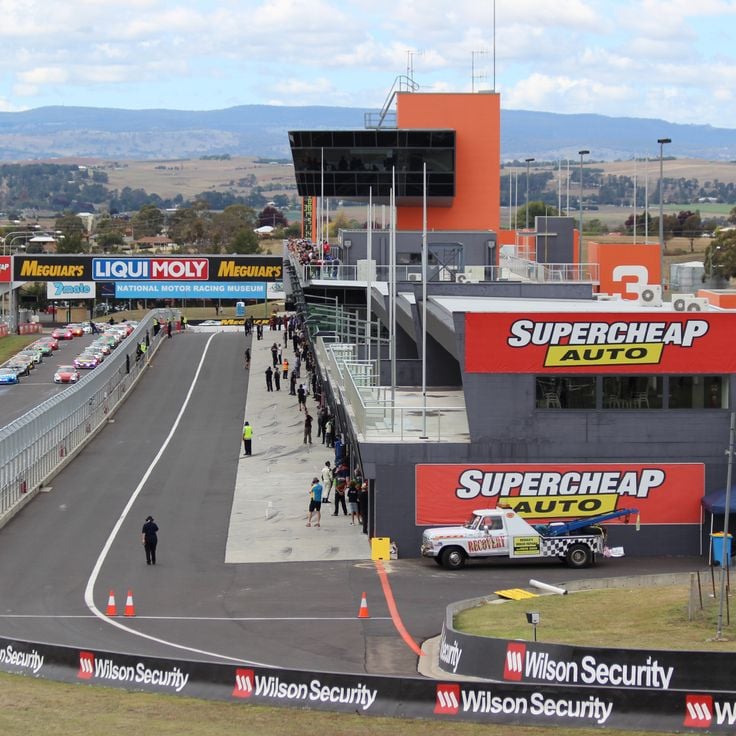
Mount Panorama Circuit is a racing venue set on public roads in New South Wales that represents the character of international motorsport circuits for enthusiasts. The track navigates a 174-meter elevation change and hosts the annual Bathurst 1000 race, one of Australia's most important motorsport events. The hilly terrain and demanding turns create a challenging setting for drivers and spectators alike.
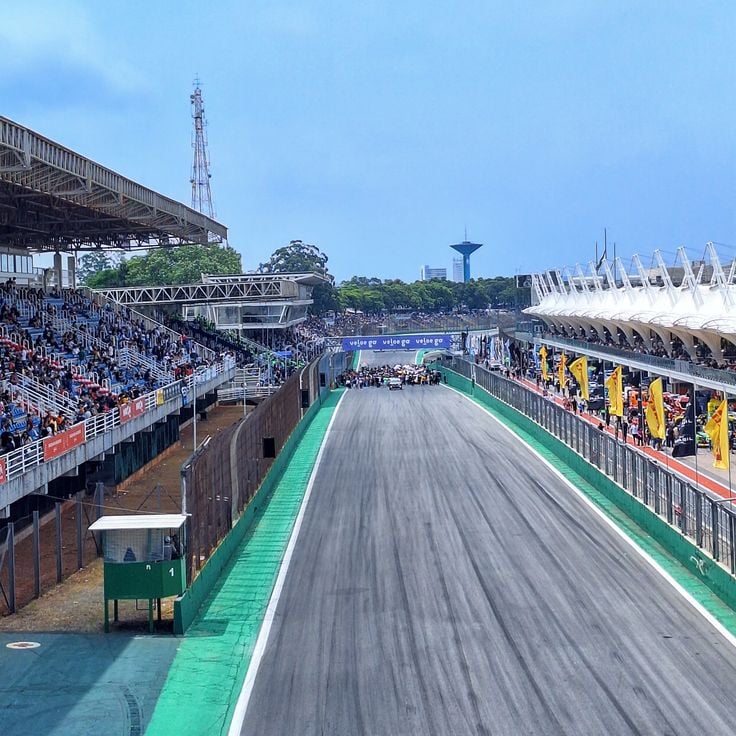
The Interlagos Circuit in São Paulo is one of the most demanding racing tracks in the world and plays a central role in international motorsport. This 4.3 kilometer track sits at 800 meters elevation and features 15 corners with multiple elevation changes throughout its layout. These technical characteristics make it a rigorous test for drivers and machines, establishing it as an essential venue for world championships and memorable racing moments.
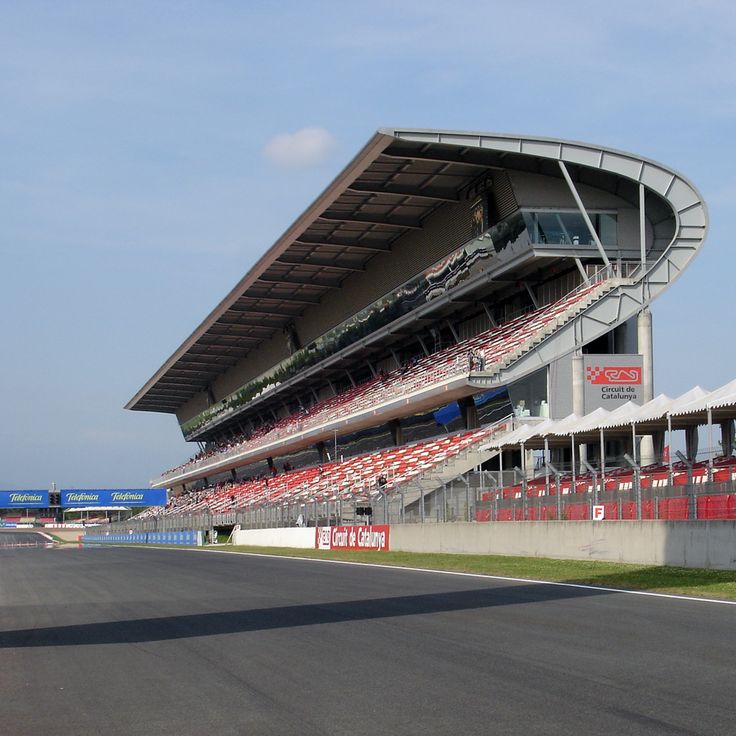
The Barcelona-Catalonia Circuit has hosted international motorsport racing since 1991. The 4.7 kilometer track with 16 turns challenges drivers with technical passages that demand skill and precision. Drivers test their speed, braking power, and handling abilities across various straights and sequences of corners. This circuit ranks among the most demanding racing tracks in the world and attracts international drivers and fans.
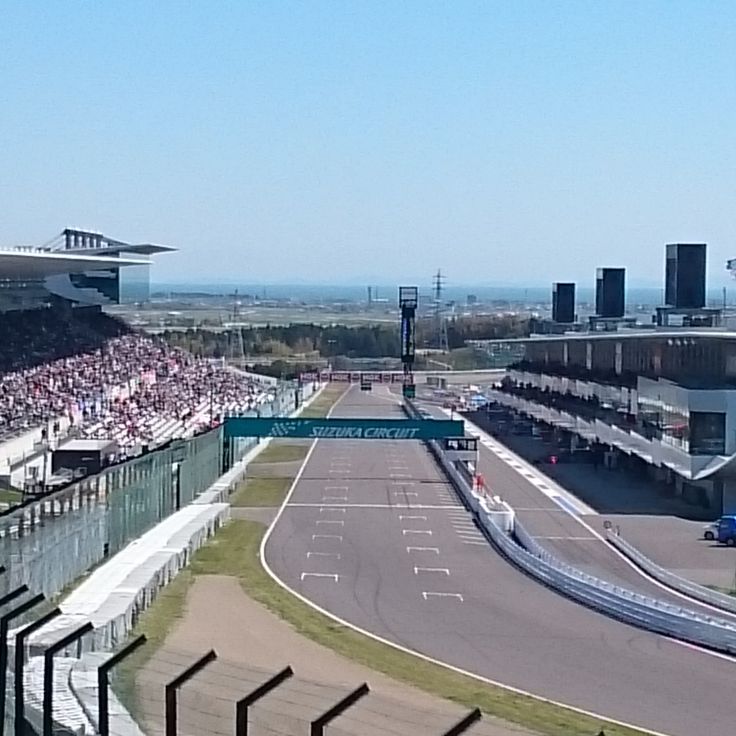
Suzuka Circuit in Mie Prefecture is one of the world's most celebrated racing tracks. The 5.8 kilometer track crosses over itself with 18 turns that demand precision and skill. This circuit attracts racing enthusiasts and regularly hosts international championships that have shaped motorsport history.
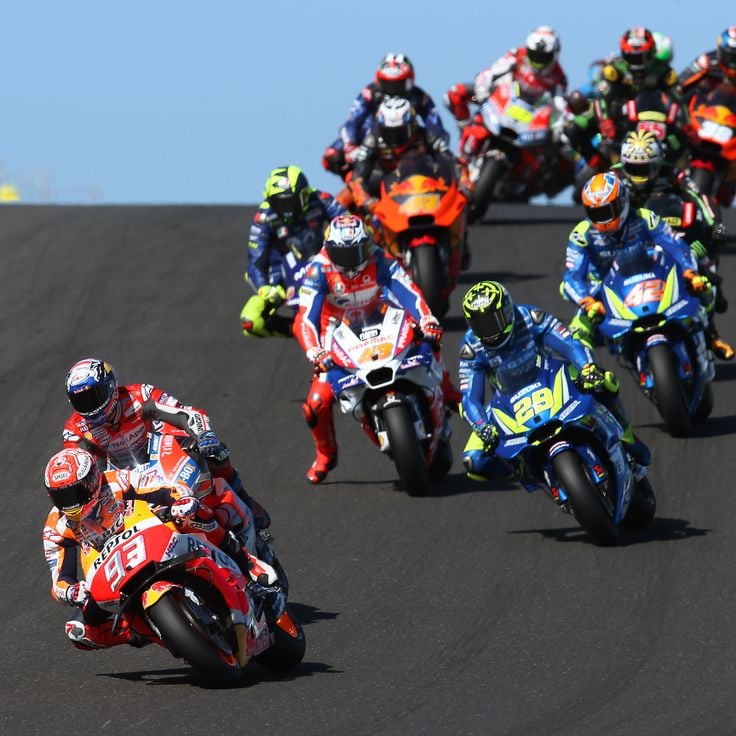
The Phillip Island Grand Prix Circuit sits on the southern coast of Victoria, Australia, facing the waters of Bass Strait. The track has hosted motorcycle and car races for decades and is a regular stop on the international racing calendar. Drivers face fast corners and long straights where the coastal wind adds another challenge. Fans travel from around the world to watch races here, where the sound of engines mixes with the open air of the sea.
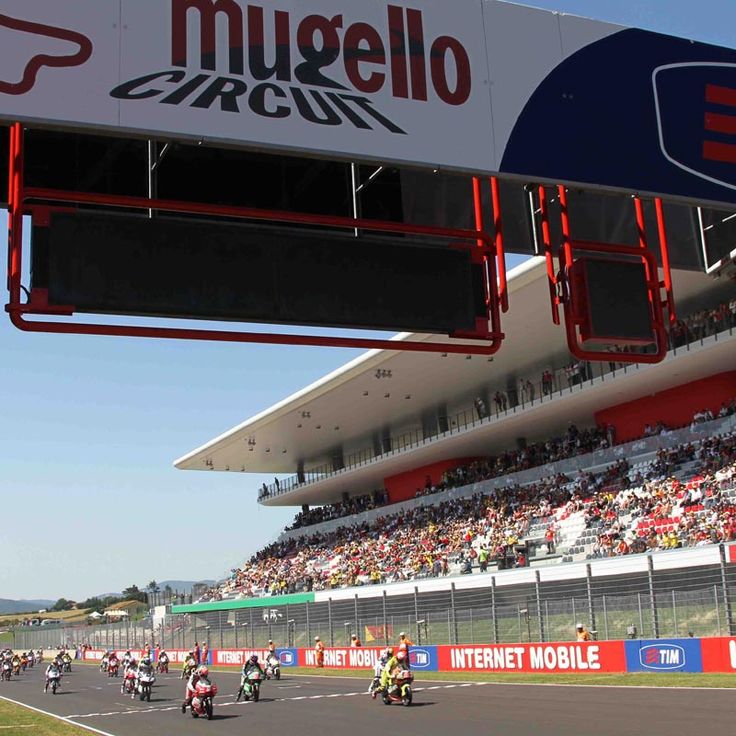
The Mugello circuit lies in the Tuscan hills and is an international destination for motorsport fans. The track has 15 curves and a long straight of 1141 meters where drivers can reach high speeds. Important races take place here, where drivers test their skills under demanding conditions.
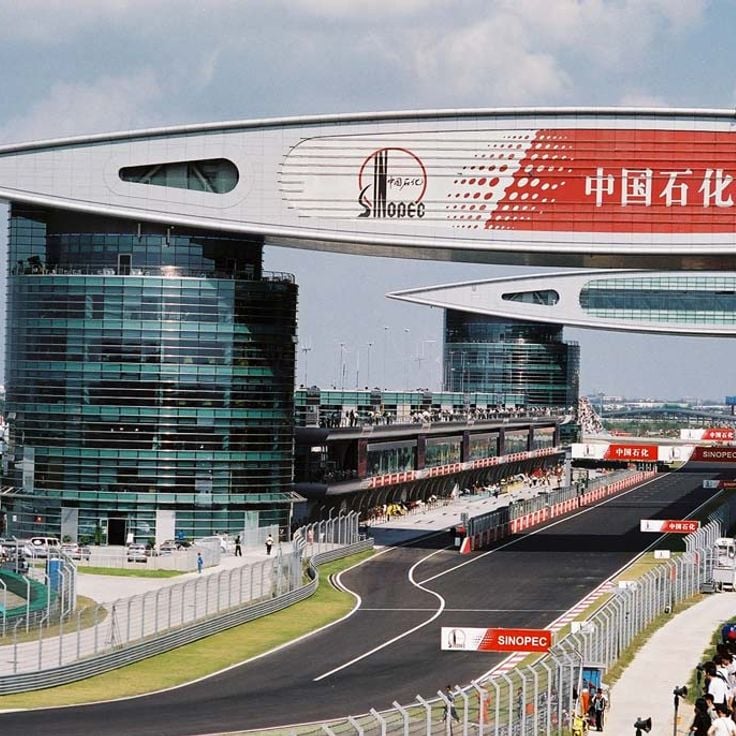
This racing circuit in Shanghai is part of the world's premier motorsport venues where top drivers compete at the highest level. The track features sixteen corners and a two-kilometer straight designed for Formula One racing. It hosts major international championships and has been the setting for significant moments in racing history.
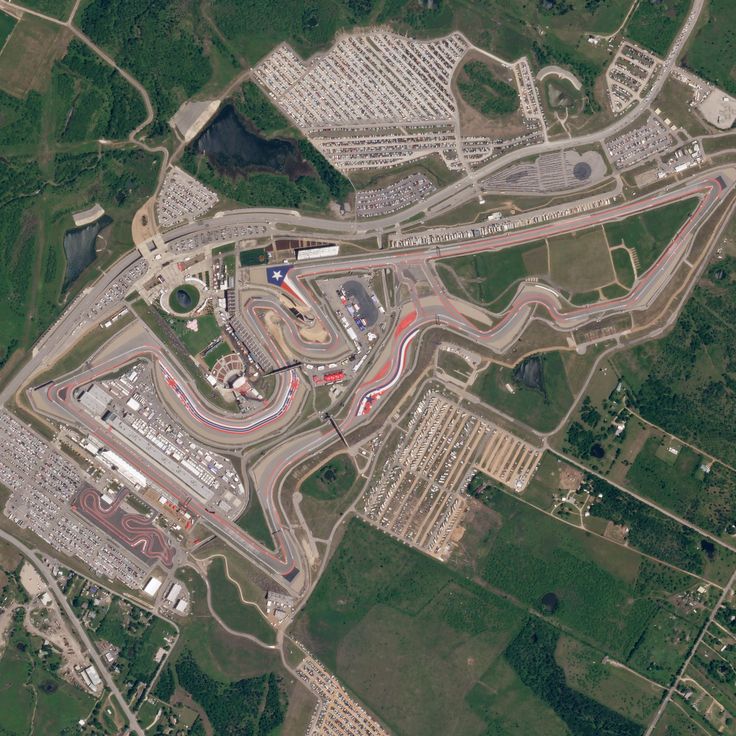
This racing circuit in Texas is part of the international motorsport racing circuits and offers drivers and fans a special experience. The track has twenty corners and an elevation change of 41 meters, which makes it technically challenging. It was built to host races at the highest level.
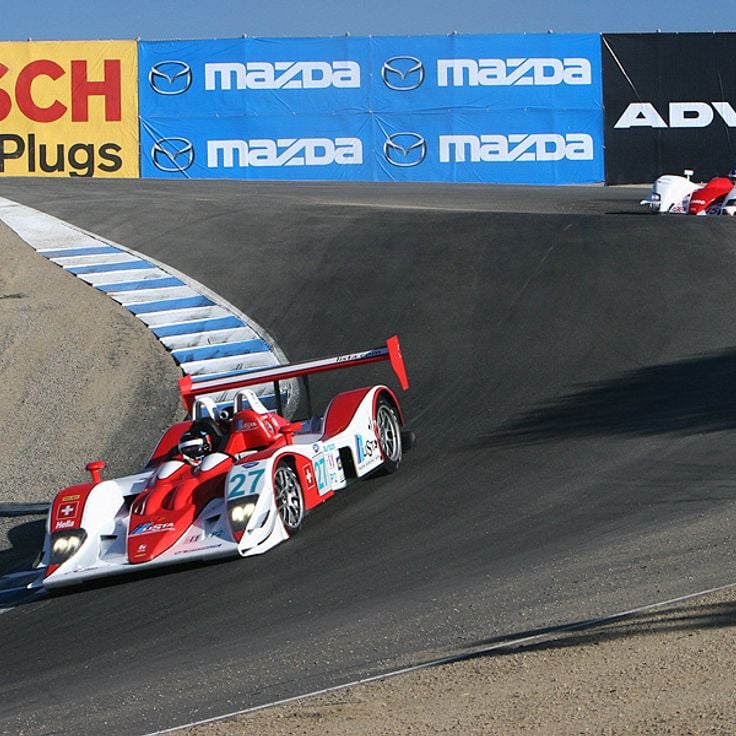
Laguna Seca Raceway is a road course that attracts motorsport enthusiasts from around the world. Located near Monterey in California, this track is known for its challenging layout. The most famous feature is the Corkscrew, a rapid downhill left-hander that demands precision and nerve from drivers. The circuit has hosted important racing events and remains a test of skill for competitors.
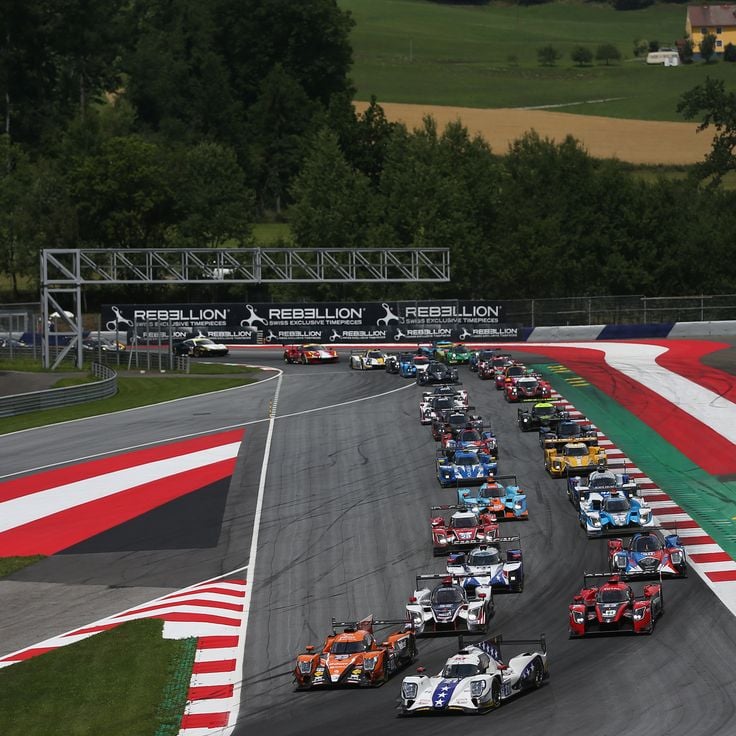
The Red Bull Ring is a compact racing track in Styria, Austria, nestled in the Alpine region and opened in 1969. At 4.3 kilometers long, it features fast flowing sections and demanding turns. This circuit is part of these international racing venues that host world championship races, creating memorable moments for motorsport enthusiasts.
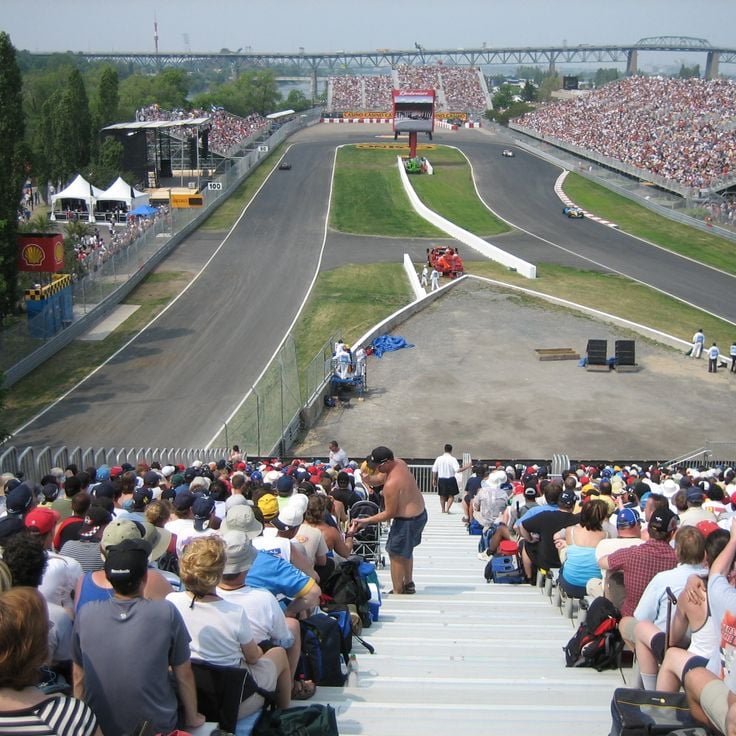
The Circuit Gilles Villeneuve is a street circuit on an island in the St. Lawrence River that has hosted Formula One racing since 1978. As part of this collection of international racing circuits for motorsport enthusiasts, this course offers technical challenges and a long history that sets it apart from other tracks. The circuit hosts international championships and has been the setting for significant moments in racing history.
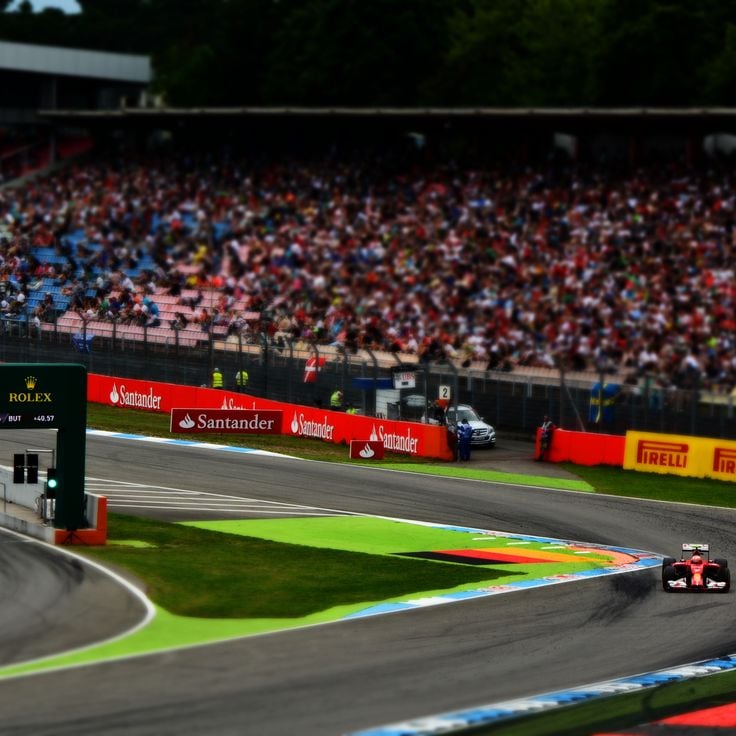
Hockenheimring is one of the great racing circuits for motorsport fans. The track opened in 1932 and has drawn drivers and spectators ever since. The circuit spans about 4.6 kilometers (2.9 miles) and runs through a German forest with long straight sections. Stadium-style seating provides space for thousands of viewers watching international championships on the track.
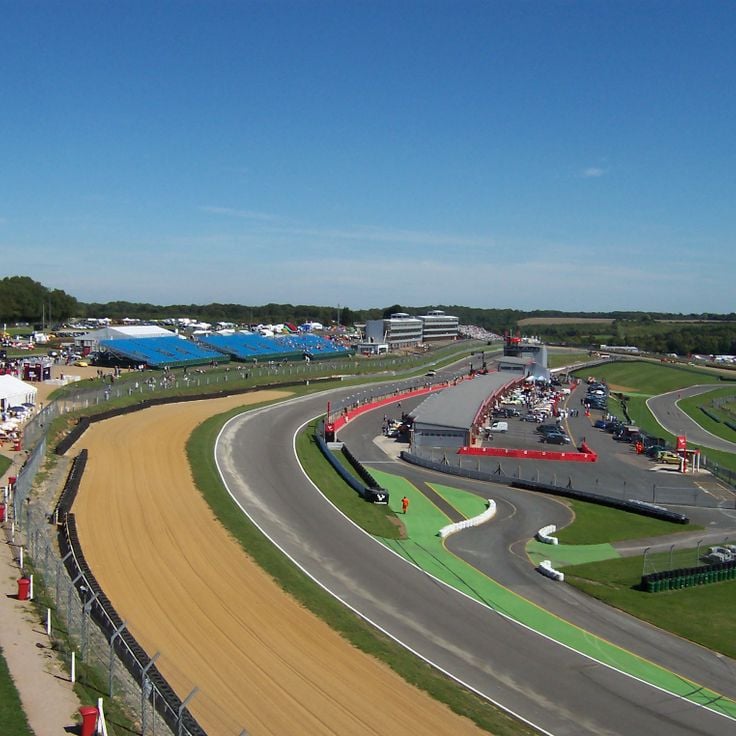
Brands Hatch is one of Europe's most important racing circuits for motorsport enthusiasts. This British track sits in a natural valley and features tight corners with steep banking on several sections. It has been the setting for many significant races and remains known for the technical demands it places on both drivers and machines.
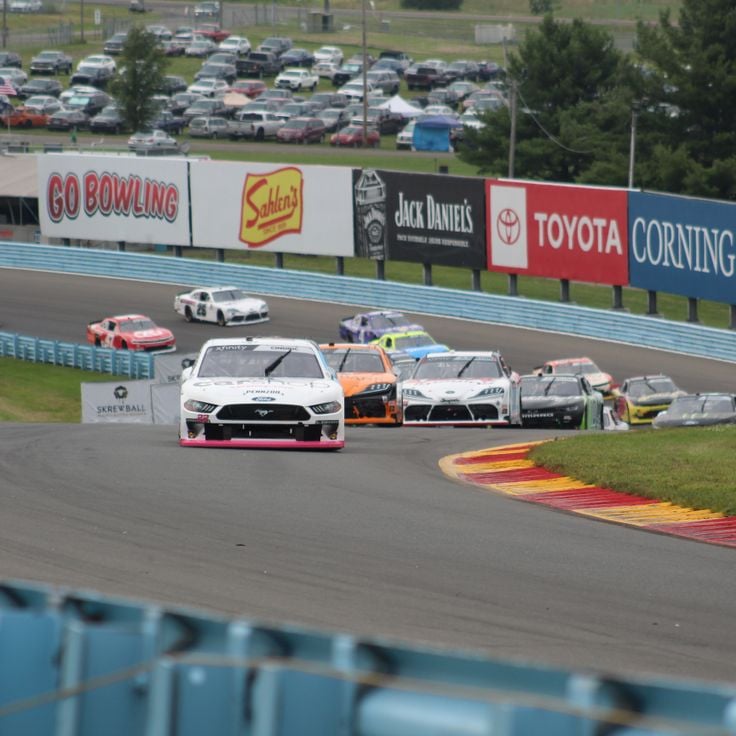
Watkins Glen International is a road course located in northern New York State that has hosted races since 1948. The track features technically challenging turns and significant elevation changes that test drivers' abilities. This circuit is part of a collection of international racing courses known for hosting major championships and unforgettable moments in motor racing history.
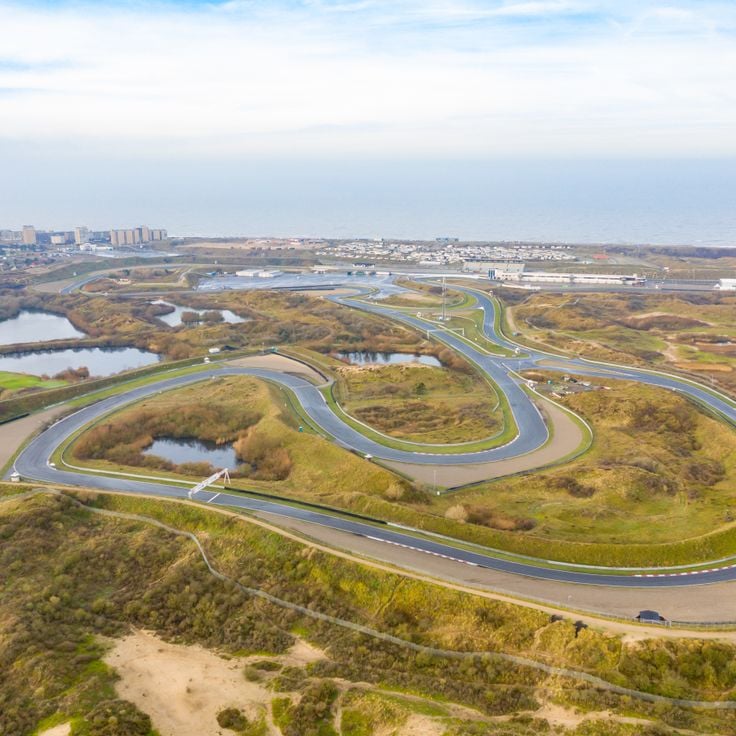
Circuit Zandvoort is part of this collection of international racing circuits for motorsport enthusiasts. This 4.3 kilometer course near Amsterdam features several banked turns and has recently returned to Formula One racing. The track offers technical challenges and hosts moments of significance in motor racing history.
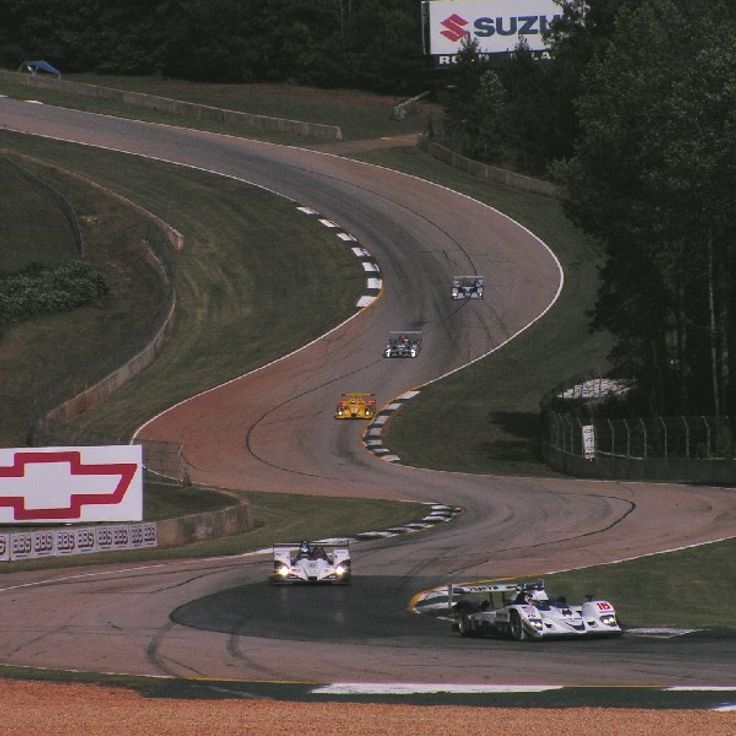
Road Atlanta is a racing circuit in Georgia known for its varied layout. It features a long straight and several technical corners that demand precision and skill from drivers, especially during endurance races. The track draws teams and fans who appreciate a course where raw speed and careful driving both play a role.
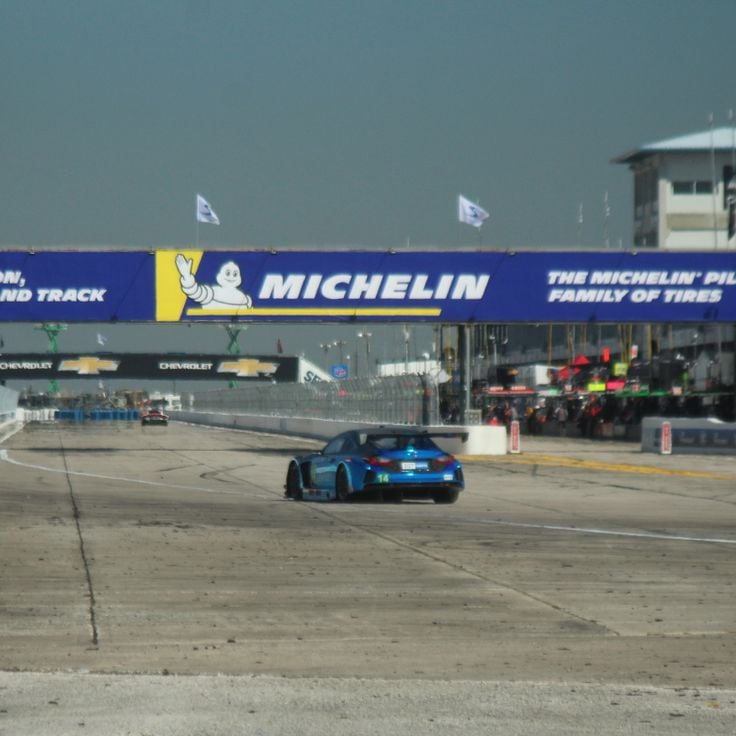
Sebring International Raceway is a racing circuit in Florida, USA, originally built as a military airfield. The track uses the former airfield's layout and features smooth concrete surfaces with bumps across its length. It is known for hosting the famous 12-hour endurance race, making it one of the international racing circuits that offers technical features and historical significance for motorsport enthusiasts.
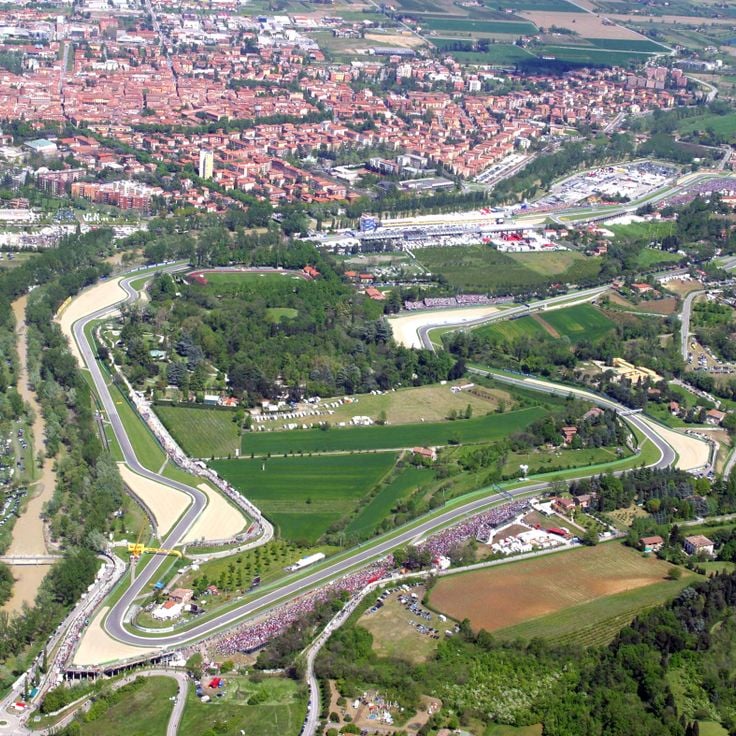
The Imola Circuit is an important racing track for motorsport enthusiasts. The 4.9 kilometer course winds through Italian hills and features technically demanding sections like the high-speed Rivazza corners. The circuit has a long history in international motorsport and has hosted many memorable moments in formula racing.
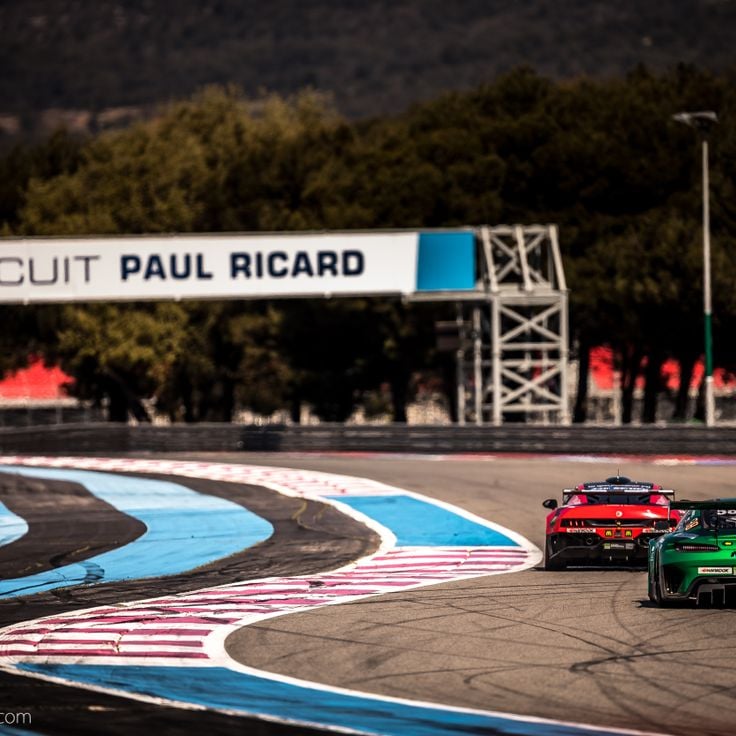
The Circuit Paul-Ricard sits on a plateau near Le Castellet, in the Provence region of southern France. The track is known for its wide runoff areas made of textured asphalt, which slow cars down gradually after a spin or a mistake. Its layout can be adjusted into different configurations depending on the type of event or test session, which makes it a popular destination for teams running development days. The long Mistral straight is one of the most demanding sections, leading into the Signes corner where drivers carry very high speed. The circuit has hosted Formula 1 races and endurance events, and it holds a firm place in the history of European motorsport.
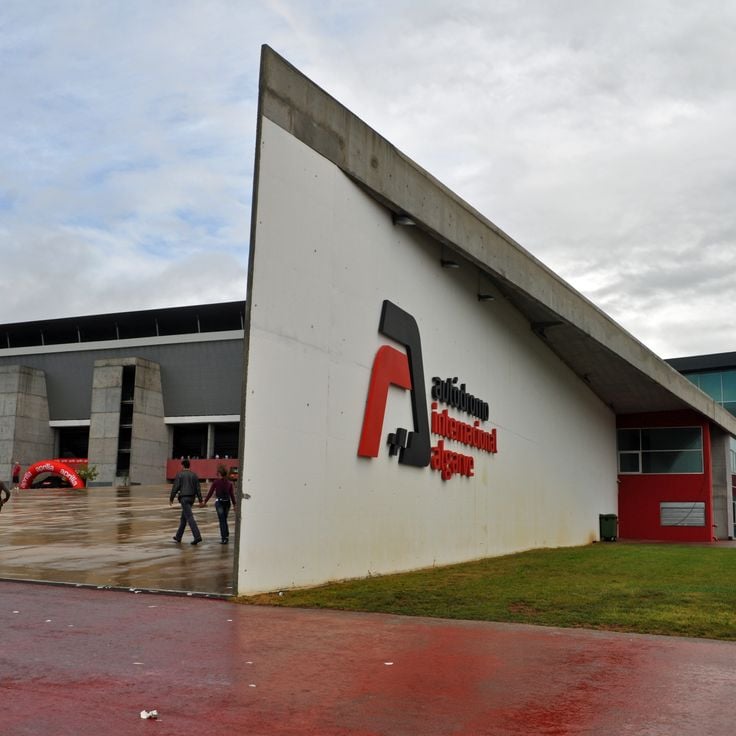
The Portimao Circuit is a significant racing circuit for motorsport enthusiasts. This Portuguese track winds through undulating terrain with elevation changes that challenge drivers throughout the course. The circuit offers views over the Algarve landscape and serves as a venue for international racing championships and memorable moments in motorsport history.
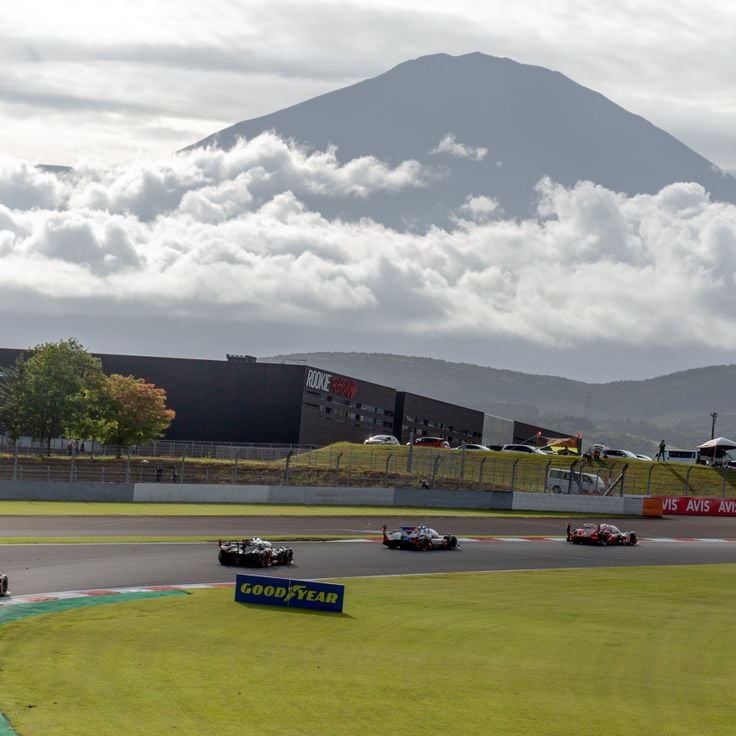
Fuji Speedway sits in the foothills of Shizuoka Prefecture and is one of the prominent racing circuits for motorsport enthusiasts. The 4.6 kilometer track with an oval-based design offers views of Mount Fuji and hosts major international racing events. The circuit combines technical driving sections with natural surroundings and has become a setting for important moments in racing history.
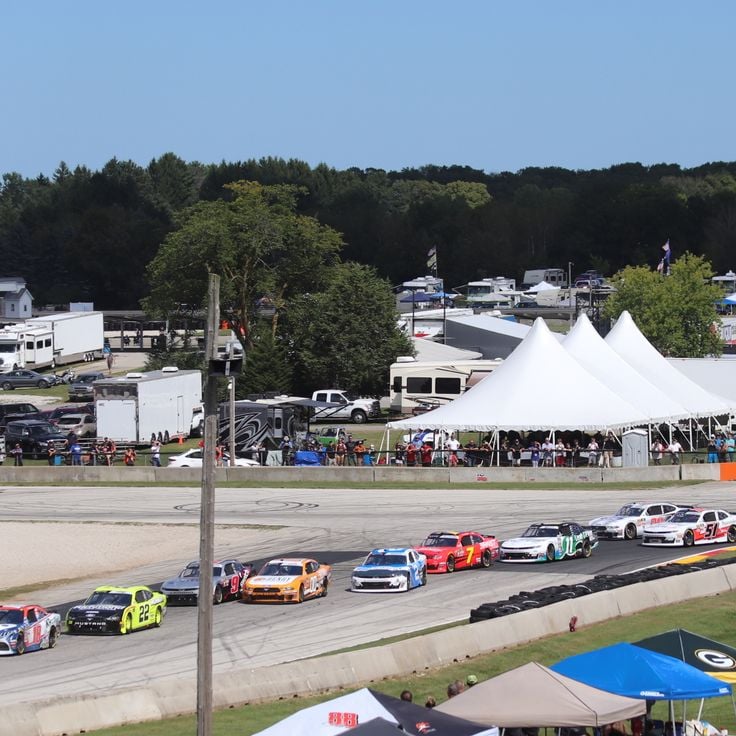
Road America is a racing circuit in Wisconsin that winds through a wooded landscape, giving it a character unlike most other tracks in the country. Long straightaways lead into fast corners that demand real skill from drivers. Teams and fans have gathered here for decades, drawn by races that test both speed and precision. The setting makes it a place where motorsport feels connected to the natural surroundings rather than to a city or stadium.
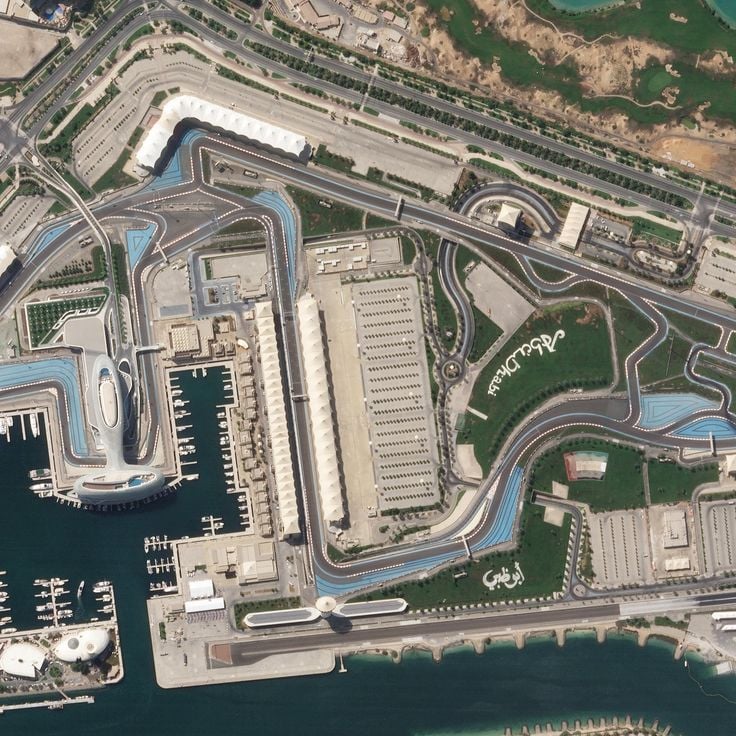
The Yas Marina Circuit is a modern racing track in Abu Dhabi that winds around the marina of Yas Island. With a length of 5.6 kilometers, it is among the racing circuits in this collection that host international championships. The circuit is defined by its contemporary infrastructure and its capability for night racing.
The Daytona International Speedway is a race track for car sports fans. The track opened in 1959 and has very steep turns at 31 degrees as well as a long straight section. Every year, drivers and spectators come here to experience the speed and challenges of this well-known race place, in a lively setting.
The Silverstone circuit is a famous track in Northamptonshire and a well-known place for motorsport fans. The track opened in 1947 on land from an old military airfield from World War II and became a venue for international competitions. With its challenging turns and fast straight sections, this circuit has shaped international motorsport for many years.
The Monaco Grand Prix Circuit is a 1.2-mile (2 km) street course that winds through Monte Carlo and La Condamine. This racing circuit stands among the most challenging and famous tracks in the world. With its 19 corners, tight passages, and distinctive harbor tunnel, it demands extreme precision and skill from drivers. The course is used only once each year for the legendary race, and it reflects decades of motorsport history.
The Indianapolis Motor Speedway is a famous racing track that opened in 1909 and holds an important place in this collection of international racing circuits for motorsport enthusiasts. The track spans about 2.5 miles and features four different configurations that allow for varied racing experiences. It has hosted significant moments in motorsport history and continues to attract drivers from around the world who test their skills on its technical layout.
The Nürburgring Nordschleife is a 20.8 kilometer (12.9 mile) racing circuit through the Eifel mountains that has tested drivers since opening in 1927. This track ranks among the world's most demanding racing circuits, drawing motorsport enthusiasts who seek to experience its technical challenges and storied history firsthand.
The Circuit de Spa-Francorchamps is a Formula One track that winds through the rolling hills of the Ardennes region. With 19 corners stretched across 7 kilometers, this circuit presents technical challenges that have defined racing history. The track is known for its high-speed sections and unpredictable weather, creating dramatic racing conditions that have produced some of motorsport's most memorable moments.
The Autodromo Nazionale Monza is a racing circuit near Milan that was built in 1922. It ranks among the fastest racing tracks in the world and is known for its long straights and high-speed corners. The venue has a long motorsport history and hosts the Italian Grand Prix. The circuit offers drivers and fans an unforgettable experience.
The Circuit de la Sarthe near Le Mans is one of the most celebrated racing tracks for endurance competitions. The track combines sections of permanent racing circuit with public roads, spanning about 13.6 kilometers (8.5 miles). International championships are held here, and the circuit has been the site of defining moments in racing history. Drivers are drawn to the technical demands and the deep heritage of this venue.
Mount Panorama Circuit is a racing venue set on public roads in New South Wales that represents the character of international motorsport circuits for enthusiasts. The track navigates a 174-meter elevation change and hosts the annual Bathurst 1000 race, one of Australia's most important motorsport events. The hilly terrain and demanding turns create a challenging setting for drivers and spectators alike.
The Interlagos Circuit in São Paulo is one of the most demanding racing tracks in the world and plays a central role in international motorsport. This 4.3 kilometer track sits at 800 meters elevation and features 15 corners with multiple elevation changes throughout its layout. These technical characteristics make it a rigorous test for drivers and machines, establishing it as an essential venue for world championships and memorable racing moments.
The Barcelona-Catalonia Circuit has hosted international motorsport racing since 1991. The 4.7 kilometer track with 16 turns challenges drivers with technical passages that demand skill and precision. Drivers test their speed, braking power, and handling abilities across various straights and sequences of corners. This circuit ranks among the most demanding racing tracks in the world and attracts international drivers and fans.
Suzuka Circuit in Mie Prefecture is one of the world's most celebrated racing tracks. The 5.8 kilometer track crosses over itself with 18 turns that demand precision and skill. This circuit attracts racing enthusiasts and regularly hosts international championships that have shaped motorsport history.
The Phillip Island Grand Prix Circuit sits on the southern coast of Victoria, Australia, facing the waters of Bass Strait. The track has hosted motorcycle and car races for decades and is a regular stop on the international racing calendar. Drivers face fast corners and long straights where the coastal wind adds another challenge. Fans travel from around the world to watch races here, where the sound of engines mixes with the open air of the sea.
The Mugello circuit lies in the Tuscan hills and is an international destination for motorsport fans. The track has 15 curves and a long straight of 1141 meters where drivers can reach high speeds. Important races take place here, where drivers test their skills under demanding conditions.
This racing circuit in Shanghai is part of the world's premier motorsport venues where top drivers compete at the highest level. The track features sixteen corners and a two-kilometer straight designed for Formula One racing. It hosts major international championships and has been the setting for significant moments in racing history.
This racing circuit in Texas is part of the international motorsport racing circuits and offers drivers and fans a special experience. The track has twenty corners and an elevation change of 41 meters, which makes it technically challenging. It was built to host races at the highest level.
Laguna Seca Raceway is a road course that attracts motorsport enthusiasts from around the world. Located near Monterey in California, this track is known for its challenging layout. The most famous feature is the Corkscrew, a rapid downhill left-hander that demands precision and nerve from drivers. The circuit has hosted important racing events and remains a test of skill for competitors.
The Red Bull Ring is a compact racing track in Styria, Austria, nestled in the Alpine region and opened in 1969. At 4.3 kilometers long, it features fast flowing sections and demanding turns. This circuit is part of these international racing venues that host world championship races, creating memorable moments for motorsport enthusiasts.
The Circuit Gilles Villeneuve is a street circuit on an island in the St. Lawrence River that has hosted Formula One racing since 1978. As part of this collection of international racing circuits for motorsport enthusiasts, this course offers technical challenges and a long history that sets it apart from other tracks. The circuit hosts international championships and has been the setting for significant moments in racing history.
Hockenheimring is one of the great racing circuits for motorsport fans. The track opened in 1932 and has drawn drivers and spectators ever since. The circuit spans about 4.6 kilometers (2.9 miles) and runs through a German forest with long straight sections. Stadium-style seating provides space for thousands of viewers watching international championships on the track.
Brands Hatch is one of Europe's most important racing circuits for motorsport enthusiasts. This British track sits in a natural valley and features tight corners with steep banking on several sections. It has been the setting for many significant races and remains known for the technical demands it places on both drivers and machines.
Watkins Glen International is a road course located in northern New York State that has hosted races since 1948. The track features technically challenging turns and significant elevation changes that test drivers' abilities. This circuit is part of a collection of international racing courses known for hosting major championships and unforgettable moments in motor racing history.
Circuit Zandvoort is part of this collection of international racing circuits for motorsport enthusiasts. This 4.3 kilometer course near Amsterdam features several banked turns and has recently returned to Formula One racing. The track offers technical challenges and hosts moments of significance in motor racing history.
Road Atlanta is a racing circuit in Georgia known for its varied layout. It features a long straight and several technical corners that demand precision and skill from drivers, especially during endurance races. The track draws teams and fans who appreciate a course where raw speed and careful driving both play a role.
Sebring International Raceway is a racing circuit in Florida, USA, originally built as a military airfield. The track uses the former airfield's layout and features smooth concrete surfaces with bumps across its length. It is known for hosting the famous 12-hour endurance race, making it one of the international racing circuits that offers technical features and historical significance for motorsport enthusiasts.
The Imola Circuit is an important racing track for motorsport enthusiasts. The 4.9 kilometer course winds through Italian hills and features technically demanding sections like the high-speed Rivazza corners. The circuit has a long history in international motorsport and has hosted many memorable moments in formula racing.
The Circuit Paul-Ricard sits on a plateau near Le Castellet, in the Provence region of southern France. The track is known for its wide runoff areas made of textured asphalt, which slow cars down gradually after a spin or a mistake. Its layout can be adjusted into different configurations depending on the type of event or test session, which makes it a popular destination for teams running development days. The long Mistral straight is one of the most demanding sections, leading into the Signes corner where drivers carry very high speed. The circuit has hosted Formula 1 races and endurance events, and it holds a firm place in the history of European motorsport.
The Portimao Circuit is a significant racing circuit for motorsport enthusiasts. This Portuguese track winds through undulating terrain with elevation changes that challenge drivers throughout the course. The circuit offers views over the Algarve landscape and serves as a venue for international racing championships and memorable moments in motorsport history.
Fuji Speedway sits in the foothills of Shizuoka Prefecture and is one of the prominent racing circuits for motorsport enthusiasts. The 4.6 kilometer track with an oval-based design offers views of Mount Fuji and hosts major international racing events. The circuit combines technical driving sections with natural surroundings and has become a setting for important moments in racing history.
Road America is a racing circuit in Wisconsin that winds through a wooded landscape, giving it a character unlike most other tracks in the country. Long straightaways lead into fast corners that demand real skill from drivers. Teams and fans have gathered here for decades, drawn by races that test both speed and precision. The setting makes it a place where motorsport feels connected to the natural surroundings rather than to a city or stadium.
The Yas Marina Circuit is a modern racing track in Abu Dhabi that winds around the marina of Yas Island. With a length of 5.6 kilometers, it is among the racing circuits in this collection that host international championships. The circuit is defined by its contemporary infrastructure and its capability for night racing.
The Daytona International Speedway is a race track for car sports fans. The track opened in 1959 and has very steep turns at 31 degrees as well as a long straight section. Every year, drivers and spectators come here to experience the speed and challenges of this well-known race place, in a lively setting.
The Silverstone circuit is a famous track in Northamptonshire and a well-known place for motorsport fans. The track opened in 1947 on land from an old military airfield from World War II and became a venue for international competitions. With its challenging turns and fast straight sections, this circuit has shaped international motorsport for many years.
The Monaco Grand Prix Circuit is a 1.2-mile (2 km) street course that winds through Monte Carlo and La Condamine. This racing circuit stands among the most challenging and famous tracks in the world. With its 19 corners, tight passages, and distinctive harbor tunnel, it demands extreme precision and skill from drivers. The course is used only once each year for the legendary race, and it reflects decades of motorsport history.
The Indianapolis Motor Speedway is a famous racing track that opened in 1909 and holds an important place in this collection of international racing circuits for motorsport enthusiasts. The track spans about 2.5 miles and features four different configurations that allow for varied racing experiences. It has hosted significant moments in motorsport history and continues to attract drivers from around the world who test their skills on its technical layout.
The Nürburgring Nordschleife is a 20.8 kilometer (12.9 mile) racing circuit through the Eifel mountains that has tested drivers since opening in 1927. This track ranks among the world's most demanding racing circuits, drawing motorsport enthusiasts who seek to experience its technical challenges and storied history firsthand.
The Circuit de Spa-Francorchamps is a Formula One track that winds through the rolling hills of the Ardennes region. With 19 corners stretched across 7 kilometers, this circuit presents technical challenges that have defined racing history. The track is known for its high-speed sections and unpredictable weather, creating dramatic racing conditions that have produced some of motorsport's most memorable moments.
The Autodromo Nazionale Monza is a racing circuit near Milan that was built in 1922. It ranks among the fastest racing tracks in the world and is known for its long straights and high-speed corners. The venue has a long motorsport history and hosts the Italian Grand Prix. The circuit offers drivers and fans an unforgettable experience.
The Circuit de la Sarthe near Le Mans is one of the most celebrated racing tracks for endurance competitions. The track combines sections of permanent racing circuit with public roads, spanning about 13.6 kilometers (8.5 miles). International championships are held here, and the circuit has been the site of defining moments in racing history. Drivers are drawn to the technical demands and the deep heritage of this venue.
Mount Panorama Circuit is a racing venue set on public roads in New South Wales that represents the character of international motorsport circuits for enthusiasts. The track navigates a 174-meter elevation change and hosts the annual Bathurst 1000 race, one of Australia's most important motorsport events. The hilly terrain and demanding turns create a challenging setting for drivers and spectators alike.
The Interlagos Circuit in São Paulo is one of the most demanding racing tracks in the world and plays a central role in international motorsport. This 4.3 kilometer track sits at 800 meters elevation and features 15 corners with multiple elevation changes throughout its layout. These technical characteristics make it a rigorous test for drivers and machines, establishing it as an essential venue for world championships and memorable racing moments.
The Barcelona-Catalonia Circuit has hosted international motorsport racing since 1991. The 4.7 kilometer track with 16 turns challenges drivers with technical passages that demand skill and precision. Drivers test their speed, braking power, and handling abilities across various straights and sequences of corners. This circuit ranks among the most demanding racing tracks in the world and attracts international drivers and fans.
Suzuka Circuit in Mie Prefecture is one of the world's most celebrated racing tracks. The 5.8 kilometer track crosses over itself with 18 turns that demand precision and skill. This circuit attracts racing enthusiasts and regularly hosts international championships that have shaped motorsport history.
The Phillip Island Grand Prix Circuit sits on the southern coast of Victoria, Australia, facing the waters of Bass Strait. The track has hosted motorcycle and car races for decades and is a regular stop on the international racing calendar. Drivers face fast corners and long straights where the coastal wind adds another challenge. Fans travel from around the world to watch races here, where the sound of engines mixes with the open air of the sea.
The Mugello circuit lies in the Tuscan hills and is an international destination for motorsport fans. The track has 15 curves and a long straight of 1141 meters where drivers can reach high speeds. Important races take place here, where drivers test their skills under demanding conditions.
This racing circuit in Shanghai is part of the world's premier motorsport venues where top drivers compete at the highest level. The track features sixteen corners and a two-kilometer straight designed for Formula One racing. It hosts major international championships and has been the setting for significant moments in racing history.
This racing circuit in Texas is part of the international motorsport racing circuits and offers drivers and fans a special experience. The track has twenty corners and an elevation change of 41 meters, which makes it technically challenging. It was built to host races at the highest level.
Laguna Seca Raceway is a road course that attracts motorsport enthusiasts from around the world. Located near Monterey in California, this track is known for its challenging layout. The most famous feature is the Corkscrew, a rapid downhill left-hander that demands precision and nerve from drivers. The circuit has hosted important racing events and remains a test of skill for competitors.
The Red Bull Ring is a compact racing track in Styria, Austria, nestled in the Alpine region and opened in 1969. At 4.3 kilometers long, it features fast flowing sections and demanding turns. This circuit is part of these international racing venues that host world championship races, creating memorable moments for motorsport enthusiasts.
The Circuit Gilles Villeneuve is a street circuit on an island in the St. Lawrence River that has hosted Formula One racing since 1978. As part of this collection of international racing circuits for motorsport enthusiasts, this course offers technical challenges and a long history that sets it apart from other tracks. The circuit hosts international championships and has been the setting for significant moments in racing history.
Hockenheimring is one of the great racing circuits for motorsport fans. The track opened in 1932 and has drawn drivers and spectators ever since. The circuit spans about 4.6 kilometers (2.9 miles) and runs through a German forest with long straight sections. Stadium-style seating provides space for thousands of viewers watching international championships on the track.
Brands Hatch is one of Europe's most important racing circuits for motorsport enthusiasts. This British track sits in a natural valley and features tight corners with steep banking on several sections. It has been the setting for many significant races and remains known for the technical demands it places on both drivers and machines.
Watkins Glen International is a road course located in northern New York State that has hosted races since 1948. The track features technically challenging turns and significant elevation changes that test drivers' abilities. This circuit is part of a collection of international racing courses known for hosting major championships and unforgettable moments in motor racing history.
Circuit Zandvoort is part of this collection of international racing circuits for motorsport enthusiasts. This 4.3 kilometer course near Amsterdam features several banked turns and has recently returned to Formula One racing. The track offers technical challenges and hosts moments of significance in motor racing history.
Road Atlanta is a racing circuit in Georgia known for its varied layout. It features a long straight and several technical corners that demand precision and skill from drivers, especially during endurance races. The track draws teams and fans who appreciate a course where raw speed and careful driving both play a role.
Sebring International Raceway is a racing circuit in Florida, USA, originally built as a military airfield. The track uses the former airfield's layout and features smooth concrete surfaces with bumps across its length. It is known for hosting the famous 12-hour endurance race, making it one of the international racing circuits that offers technical features and historical significance for motorsport enthusiasts.
The Imola Circuit is an important racing track for motorsport enthusiasts. The 4.9 kilometer course winds through Italian hills and features technically demanding sections like the high-speed Rivazza corners. The circuit has a long history in international motorsport and has hosted many memorable moments in formula racing.
The Circuit Paul-Ricard sits on a plateau near Le Castellet, in the Provence region of southern France. The track is known for its wide runoff areas made of textured asphalt, which slow cars down gradually after a spin or a mistake. Its layout can be adjusted into different configurations depending on the type of event or test session, which makes it a popular destination for teams running development days. The long Mistral straight is one of the most demanding sections, leading into the Signes corner where drivers carry very high speed. The circuit has hosted Formula 1 races and endurance events, and it holds a firm place in the history of European motorsport.
The Portimao Circuit is a significant racing circuit for motorsport enthusiasts. This Portuguese track winds through undulating terrain with elevation changes that challenge drivers throughout the course. The circuit offers views over the Algarve landscape and serves as a venue for international racing championships and memorable moments in motorsport history.
Fuji Speedway sits in the foothills of Shizuoka Prefecture and is one of the prominent racing circuits for motorsport enthusiasts. The 4.6 kilometer track with an oval-based design offers views of Mount Fuji and hosts major international racing events. The circuit combines technical driving sections with natural surroundings and has become a setting for important moments in racing history.
Road America is a racing circuit in Wisconsin that winds through a wooded landscape, giving it a character unlike most other tracks in the country. Long straightaways lead into fast corners that demand real skill from drivers. Teams and fans have gathered here for decades, drawn by races that test both speed and precision. The setting makes it a place where motorsport feels connected to the natural surroundings rather than to a city or stadium.
The Yas Marina Circuit is a modern racing track in Abu Dhabi that winds around the marina of Yas Island. With a length of 5.6 kilometers, it is among the racing circuits in this collection that host international championships. The circuit is defined by its contemporary infrastructure and its capability for night racing.
Au-delà du spectacle des courses, ces circuits racontent aussi l'histoire de champions oubliés et de moments qui ont changé le sport automobile. Visiter une piste en dehors des jours de compétition vous permet de marcher sur le même bitume que vos pilotes préférés. Beaucoup de circuits proposent des tours guidés qui expliquent les détails techniques de chaque virage et révèlent les secrets que seuls les pilotes connaissent.