Fontéchevade, Prehistoric cave and paleolithic site in Montbron, France.
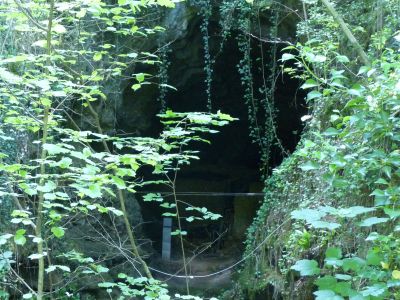
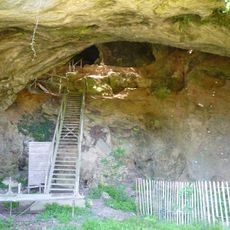
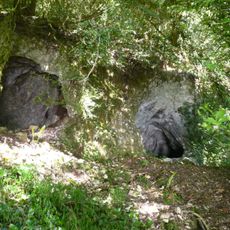
Fontéchevade is a cave in the Charente region that extends through a U-shaped tunnel containing multiple chambers at different levels. Inside are layers of occupation from various periods, with scattered stone tools, scrapers, and bone implements that tell of past inhabitants.
The cave was first studied scientifically in the 1870s and revealed human bones from a pre-Neanderthal period. Later excavations showed that different groups used the site continuously over more than 100,000 years.
The site gets its name from a local family and displays tools that show how early groups adapted their techniques across different periods of habitation. Visitors can observe the shift from heavy tools to more refined bone implements over time.
Visitors must arrange visits in advance due to strict access limits designed to protect the archaeological findings and cave formations. The interior requires careful movement as passages are narrow and uneven in places.
The cave holds some of the oldest human bone remains found in the region, belonging to an ancestor who lived long before Neanderthals. This discovery made it a key reference point for understanding early human development in Western Europe.
The community of curious travelers
AroundUs brings together thousands of curated places, local tips, and hidden gems, enriched daily by 91,359 contributors worldwide.