Château de Sarzay, Medieval castle in Sarzay, France
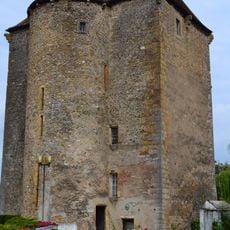
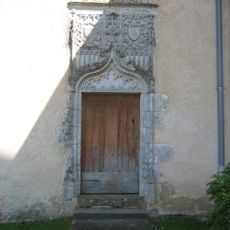
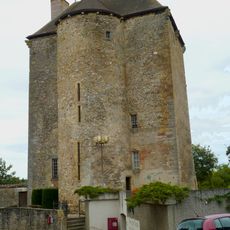
The Château de Sarzay is a donjon-logis: a rectangular hall built around 1440 by Jean de Barbançois, flanked at its corners by four round towers crowned with machicolations. Its door, remade in the 17th century, sits at the foot of one tower. The building has four storeys, with the guard room on the fourth, and its look recalls the contemporary Anjony. Remains of the first enclosure include a porch carved with 15th-century coats of arms.
The castle was established in the 14th century and expanded over generations with reinforced defensive structures, particularly during the conflicts between France and England. These construction efforts transformed it into one of the most heavily fortified residences of the period.
George Sand set her 1844 novel Le Meunier d'Angibault at the castle, describing it as a rather elegant castel or ancient manor. In the novel's preface she wrote that the Château de Blanchemont, with its landscape, warren and farm, exists as she faithfully depicted it, only under another name. The building thus appears in French literature under a fictional name.
The castle is open to the public and stands in the village of Sarzay, in the Indre department. Visitors walk through the lower courtyard, past the restored moats, and can climb the towers; the ground is uneven and the stairs are worn, so sturdy shoes help. The chapel occupies the ground floor of one enclosure tower.
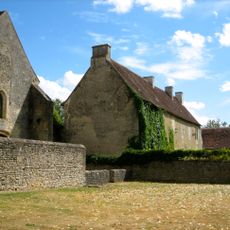
The claim of 38 towers along the outer enclosure is probably exaggerated, as the French Wikipedia article itself notes. The only surviving remnant of that first enclosure is a fortified chapel on the ground floor of one tower. The castle's present keep-and-hall layout, with four corner towers, dates from around 1440 and resembles the contemporary Château d'Anjony.
The community of curious travelers
AroundUs brings together thousands of curated places, local tips, and hidden gems, enriched daily by 94,657 contributors worldwide.