Bois de Païolive, Natural forest in Ardèche, France
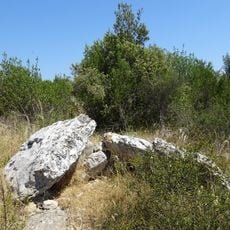
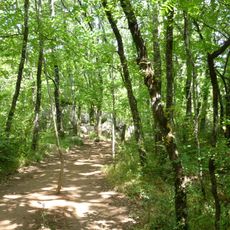
The Bois de Païolive extends over a limestone plateau, creating natural mazes with white oak trees growing between eroded rock formations.
The forest has evolved over millions of years through geological processes that shaped its limestone structures into a complex network of stone corridors.
Local naturalist groups organize monthly meetings and publish newsletters to educate visitors about the forest's biodiversity and conservation efforts.
The forest features marked trails spanning 5 kilometers, with a dedicated parking area near the entrance for convenient access to walking paths.
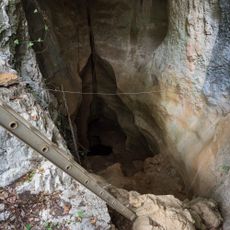
Twenty different bat species inhabit the forest's caves and crevices, making it a notable location for nocturnal wildlife observation.
GPS coordinates: 44.40000,4.18000
Latest update: June 9, 2025 06:33
The Ardèche combines natural formations with centuries of human settlement. This southeastern French département stretches from the volcanic heights of the Cévennes to deeply carved limestone gorges along the river of the same name. The Pont d'Arc, a 197-foot (60-meter) natural stone arch, marks the entrance to the Gorges de l'Ardèche, while the Grotte Chauvet preserves cave paintings created 36,000 years ago. The landscape alternates between forested plateaus like the Bois de Païolive, where weathered limestone takes unusual shapes, and river valleys that have supported communities for centuries. Several villages including Balazuc, Vogüé, and Labeaume cling to cliffsides above the water, their narrow lanes leading past castle ruins and Romanesque churches. The Cascade du Ray-Pic drops 197 feet (60 meters) over a basalt wall, while Mont Gerbier de Jonc holds the source of the Loire River. Beneath the surface, extensive cave systems include the Grotte de la Madeleine and the Aven d'Orgnac with its underground chambers. The Château de Crussol stands on a rocky outcrop above the Rhône valley, while the Château d'Aubenas dominates the town below. Between these natural and historical sites, the Train du Vivarais and the Vélorail des Gorges du Doux connect visitors to the region in practical ways.
Plateau des Gras
6 km
Commanderie de Jalès
4.7 km
Château de Chambonas
4.6 km
Château de Banne
3.9 km
Château de Chassagnes
1.6 km
Ermitage Saint-Eugène de Chassagnes
555 m
Vallée du Chassezac
6.1 km
Église de Banne
4.3 km
Plateau des Gras de Labeaume
6 km
Église Saint-Jacques de Naves
5.2 km
Temple protestant
3.8 km
Église Saint-Pierre-aux-Liens des Vans
3.7 km
Église Saint-Martin de Chambonas
4.5 km
Réserve naturelle régionale des Grads de Naves
3.2 km
Pont de Chambonas
4.5 km
Chapelle du Calvaire, Payzac
6.3 km
Grotte de Saint-Arnaud
3.6 km
Église Saint-Martin de Chandolas
5.8 km
Church of St Genest
6.2 km
Église Saint-Laurent d'Avenas de Maisonneuve
4 km
Église de l'Assomption-de-la-Vierge de Beaulieu
6.1 km
Église Saint-Jean-Baptiste de Berrias
3.2 km
Base Nautique Bridge Chambonas Cyril Gadilhe
4.2 km
Église Saint-Apollinaire
2.4 km
Chapel of Sainte-Appolonie (le Puech)
2.8 km
Chapelle du couvent des Sœurs de Saint-Joseph des Vans
3.6 km
Église de la Décollation-de-Saint-Jean-Baptiste de Chassagnes
1.4 km
Abri des pêcheurs
2.3 kmReviews
Visited this place? Tap the stars to rate it and share your experience / photos with the community! Try now! You can cancel it anytime.
Discover hidden gems everywhere you go!
From secret cafés to breathtaking viewpoints, skip the crowded tourist spots and find places that match your style. Our app makes it easy with voice search, smart filtering, route optimization, and insider tips from travelers worldwide. Download now for the complete mobile experience.
A unique approach to discovering new places❞
— Le Figaro
All the places worth exploring❞
— France Info
A tailor-made excursion in just a few clicks❞
— 20 Minutes