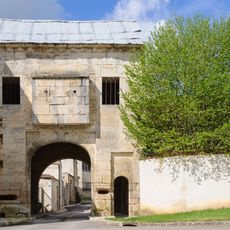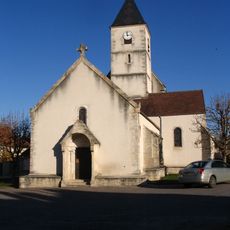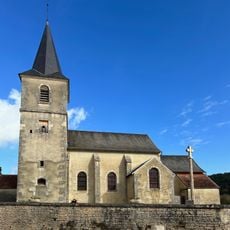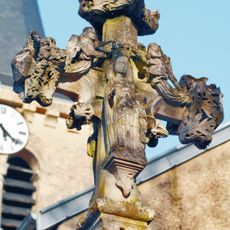
Cry, commune in Yonne, France
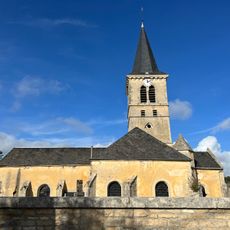
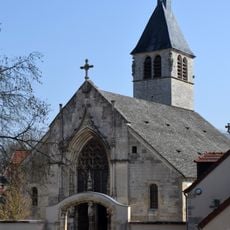
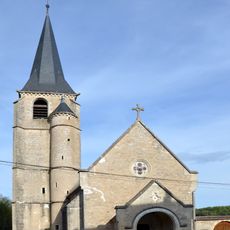
Cry is a small village in Yonne in Burgundy that sits along the Armançon river. It is defined by Saint-Julien church, whose 11th-century crypt contains barrel-vaulted chambers with thick stone columns, along with religious artworks spanning from the 16th to 18th centuries housed within its walls.
Archaeological evidence from Bronze Age sites shows Cry was inhabited long before medieval times. In 1164, the Pope confirmed that the local church belonged to the abbey in Autun, establishing its role as an important religious center and demonstrating how the village was linked to wider monastic networks.
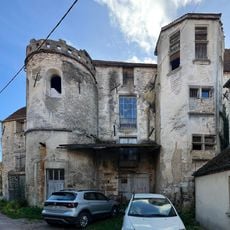
The name Cry comes from Latin and refers to the river crossing that once defined the settlement. Saint-Julien church sits at the heart of village life, and the narrow lanes lined with stone houses show how people built their community around faith and daily work.
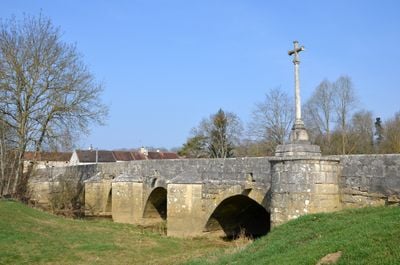
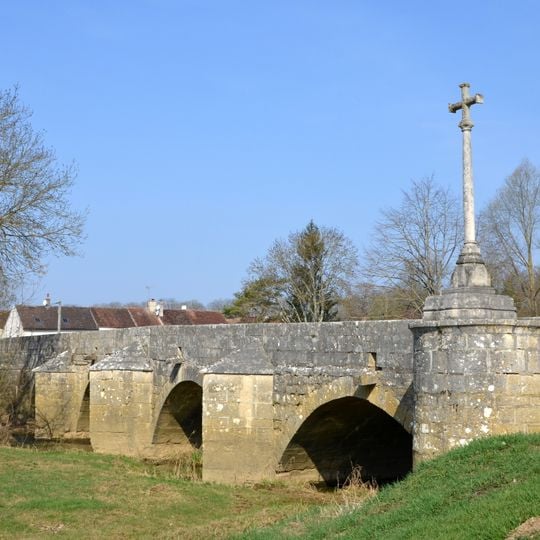
The village is best explored on foot, though the narrow lanes and uneven ground require careful steps. The church complex serves as a natural center point from which you can easily reach other sites and the stone bridge spanning the river.
A 16th-century Pietà and an early 17th-century Crucifixion painting adorn the church interior, while restorers recently uncovered hidden modern murals beneath the walls. These layers of art reveal how the village's decorative choices changed across different periods.
The community of curious travelers
AroundUs brings together thousands of curated places, local tips, and hidden gems, enriched daily by 92,595 contributors worldwide.