Abbaye Sainte-Marie de Villelongue, Cistercian monastery ruins in Saint-Martin-le-Vieil, France
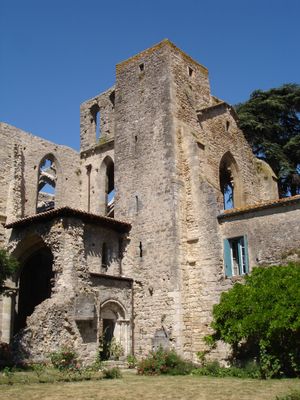
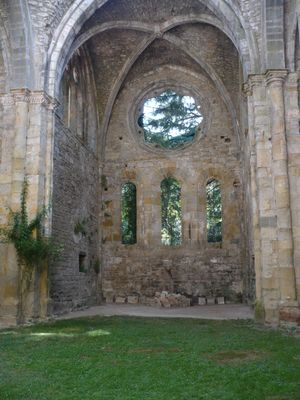
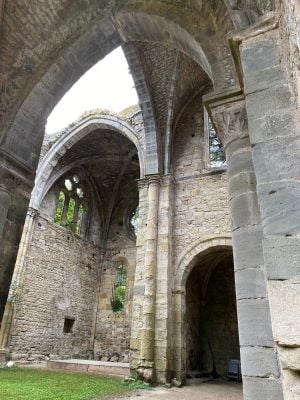
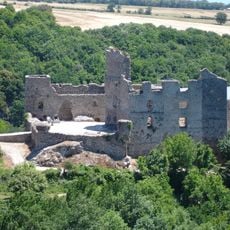
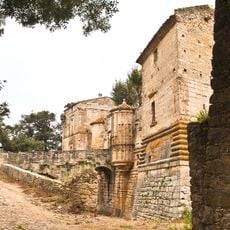
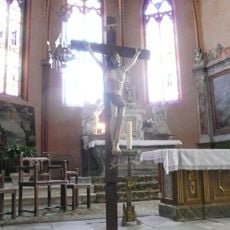
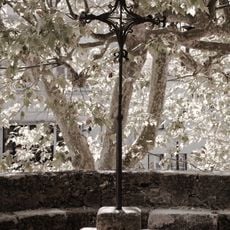
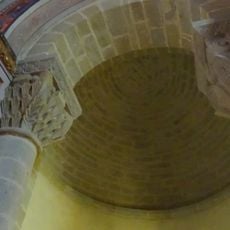
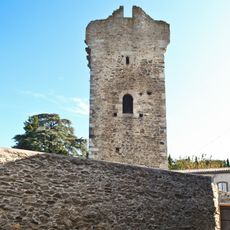
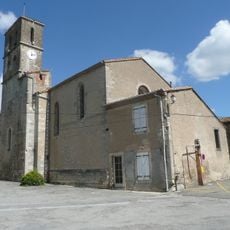
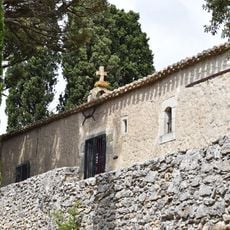
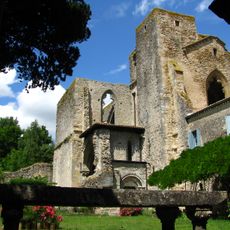
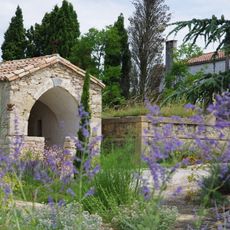
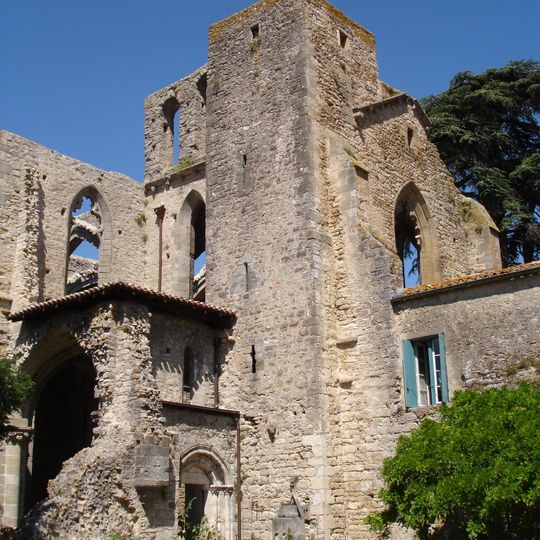
Abbaye Sainte-Marie de Villelongue is a Cistercian monastery in ruins with a church, chapter house, refectory, and cloister gallery featuring twin columns supporting fourteen arches. The remaining stone structures convey the spatial layout and construction of the entire complex.
Guillaume, a monk from Bonnefont, settled at Compania between the Sor and Lampy in 1145–1149; donations began on 16 May 1149. The priory became an abbey in 1151 with Arnaud I as first abbot, and around 1170 the community moved to the present Villelongue site. Simon de Montfort rewarded the abbots' stance against the Cathars, and by the early 14th century more than 30 monks lived here.
The cloister capitals display carved human heads, owls, roosters, and winged griffins, which depart from typical Cistercian simplicity. These decorations show how the monks shaped their spiritual surroundings with unexpected artistic choices.
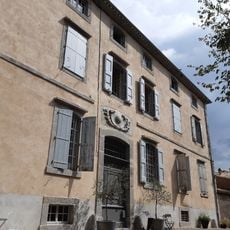
The ruins stand in the Vernassonne valley, about 21 km northwest of Carcassonne, between Castelnaudary and Carcassonne. The site is split in two: the abbey, open to visitors, and a separate group of dwellings on the site of the former abbot's lodging, which is private. Ground is uneven and masonry weathered; wear sturdy shoes.
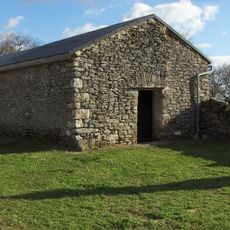
The refectory became a horse stable, the lay brothers' building a sheepfold, and the chapter house a wine store after the Revolution. The surviving south cloister gallery, restored, has capitals carved with foliage, monsters and animals, and the sacristy keeps early 13th-century frescoes including Saint Michael fighting the dragon.
The community of curious travelers
AroundUs brings together thousands of curated places, local tips, and hidden gems, enriched daily by 95,253 contributors worldwide.