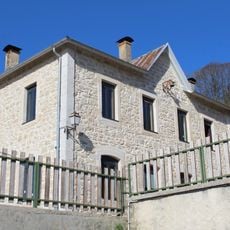
Abbaye de Saint-Sulpice, Cistercian abbey ruins in Thézillieu, France
Abbaye de Saint-Sulpice is a Cistercian monastery ruin sitting at about 796 meters (2,610 feet) elevation on the Plateau d'Hauteville. The remains include a church structure spanning about 50 meters (164 feet) with five sections, plus the foundation outlines of connected buildings such as the chapter house and kitchen.
A Cluniac prior founded at Saint-Sulpice-le-Vieux turned Cistercian in 1130, after Count Amadeus III of Savoy granted lands, and joined the abbey of Pontigny. The community moved to the present site and founded daughter houses: Falleri in Tuscany (1143), San Martino al Cimino near Viterbo (1150) and Chassagne (1162). It was sold during the Revolution and quarried for stone.
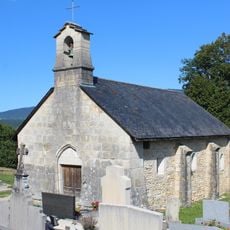
The abbey took its name from Saint-Sulpice-le-Vieux, the original priory site. Its monks came partly from Pontigny, and in 1155 Marguerite de Savoie, daughter of Amadeus III, retired to the convent of Bons-en-Bugey, which Saint-Sulpice was asked to take charge of. The chapel dedicated to Saint Vital now hosts temporary exhibitions and a presentation of the excavation site.
The ruins lie in a combe west of Thézillieu village, at 796 metres, about 14 km northwest of Belley. The former guest chapel, the only building still standing, houses temporary exhibitions and a presentation of the excavation site. Parts of the enclosure wall remain, and the excavated plan lets you follow the church and monastic buildings on foot.
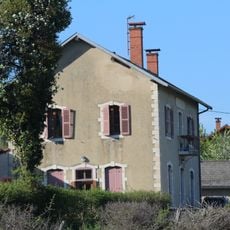
The former guest chapel, dedicated to Saint Vital, is the only building still standing; it now hosts temporary exhibitions and a presentation of the excavation site. A mill stood below it, south of the abbey. Parts of the perimeter wall also remain.
The community of curious travelers
AroundUs brings together thousands of curated places, local tips, and hidden gems, enriched daily by 93,850 contributors worldwide.