Isthme De Miquelon-Langlade, Sedimentary tombolo in Saint Pierre and Miquelon, France
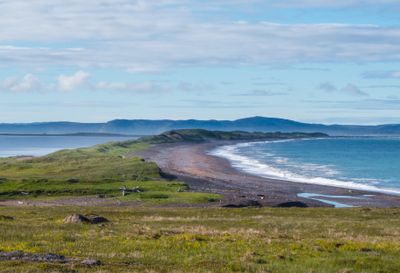
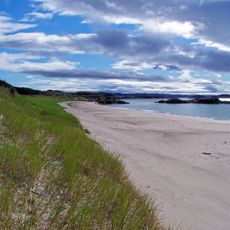
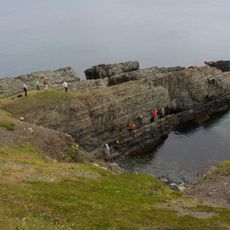
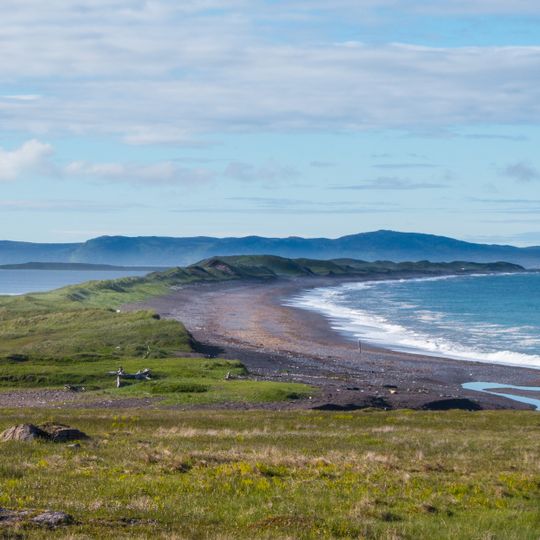
The Isthmus of Miquelon-Langlade is a narrow strip of land connecting Grande Miquelon to Langlade, measuring around 130 meters at its widest points. This sandbar was formed by the accumulation of sediment carried by ocean currents and coastal processes over thousands of years.
The isthmus began forming roughly 14.000 years ago when glaciers retreated and sea levels shifted due to ground rebound in this region. Over time, sediment accumulated along the coastline to create the present-day land bridge between the two islands.
The Conservatoire du Littoral established protection measures for this marine area in 2005, preserving its ecological characteristics for future generations.
Access is available via existing paths and trails that cross the land bridge, though conditions can vary depending on weather and season. The terrain is relatively flat, but sturdy footwear is recommended and you should be prepared for coastal weather.
The northern section splits into two distinct parts, with the western Buttereaux ridge rising about 20 meters above sea level while the eastern portion remains low. The eastern side also contains a large lagoon system called Grand Barachois that covers several square kilometers.
The community of curious travelers
AroundUs brings together thousands of curated places, local tips, and hidden gems, enriched daily by 92,290 contributors worldwide.