Abbaye des Écharlis, Cistercian abbey in Charny-Orée-de-Puisaye, Yonne, France
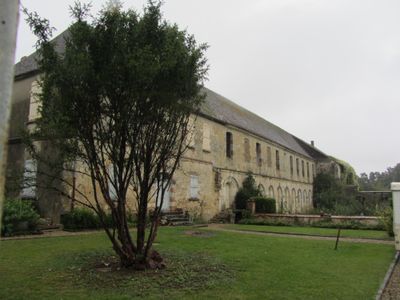
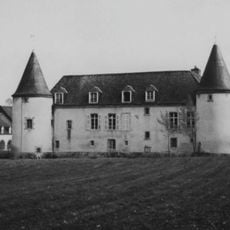
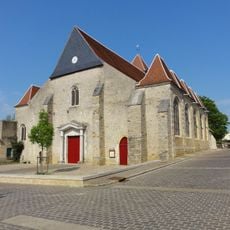
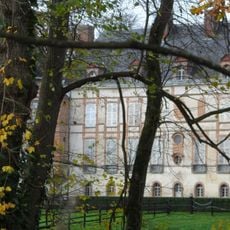
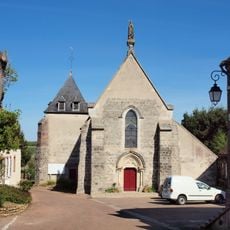
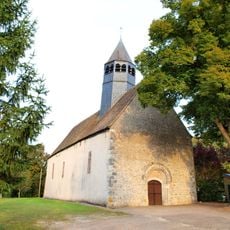
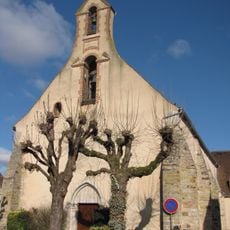
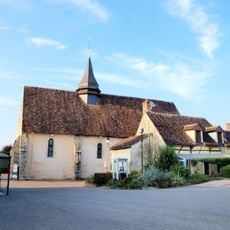
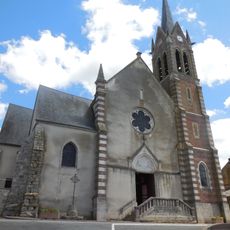
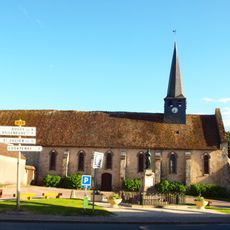
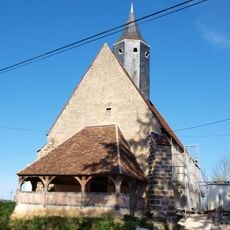
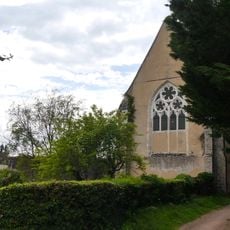
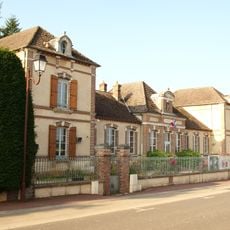
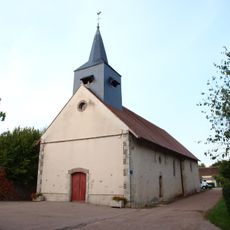
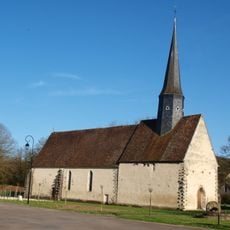
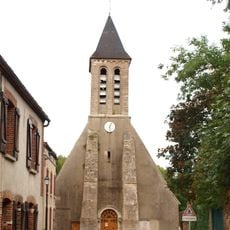
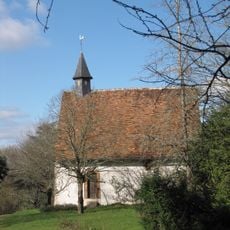
Abbaye des Écharlis is a Cistercian monastery featuring buildings that display the simplicity of early Cistercian design, with stone walls and functional spaces arranged around a central cloister. The most notable surviving element is the 12th-century entrance portal with a chapel dedicated to Notre-Dame-de-Pitié built in the 13th century.
Founded in the early 12th century by the secular priest Étienne and his companions Théobald and Garnier on land given by Vivien, lord of La Ferté-Loupière, the monastery joined the Cistercian order as a dependency of Fontenay. A first site at Vieux-Écharlis was abandoned for the present one, and a papal bull of Alexander III confirmed the abbey on 20 November 1163. It was dissolved in 1791 and sold as a bien national.
The monks of Les Écharlis wrote several accounts of the life of Alpaïs of Cudot, a hermit healed of a skin disease who then ate only the daily host; seven of these manuscripts survived into the 20th century. A monk named Peter composed her vita around 1180. The abbey's standing grew with her following.
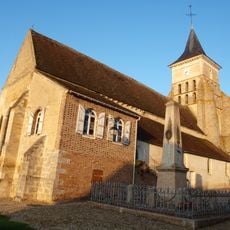
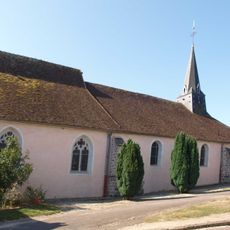
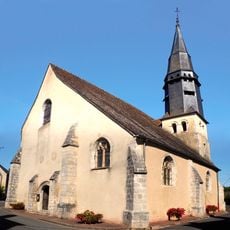
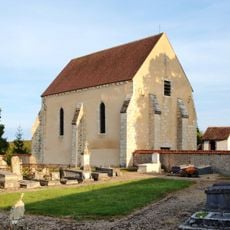
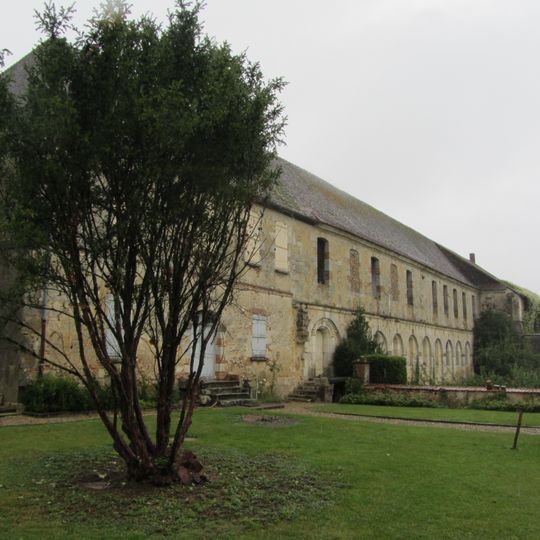
The abbey stands about three kilometres from the initial site, now called Vieux-Écharlis, on the road between Villefranche and La Ferté-Loupière. The long facade with its round-arched doorway and row of pointed windows is best seen in low morning or evening light. Ground around the ruins can be damp after rain, so sturdy shoes help.
The monastery had access to a mineral spring believed to have healing powers that attracted even King Louis VI, who claimed to experience health benefits from its waters. This spring turned the location into a destination for visitors seeking recovery.
The community of curious travelers
AroundUs brings together thousands of curated places, local tips, and hidden gems, enriched daily by 95,294 contributors worldwide.