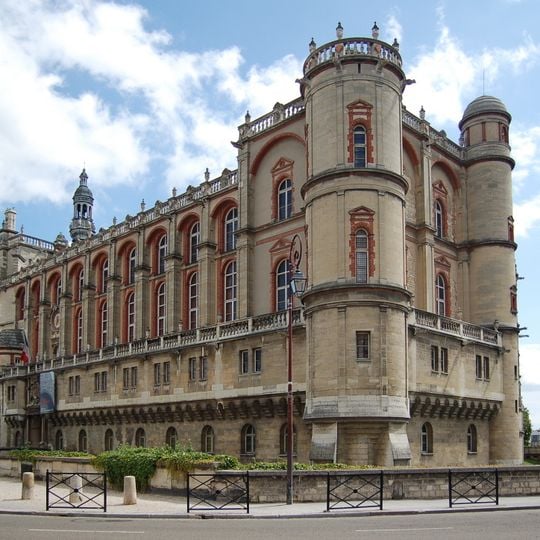
National Archaeological Museum, Archaeological museum in Saint-Germain-en-Laye, France.
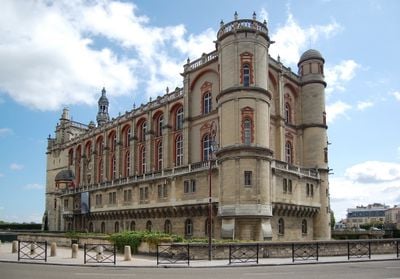
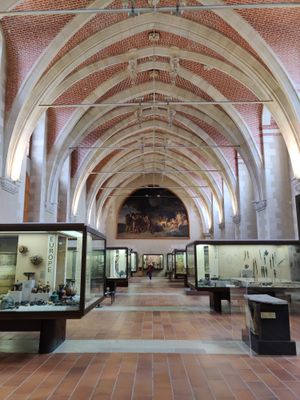
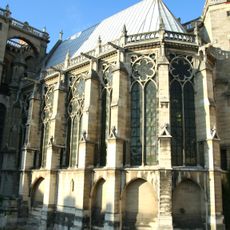
The National Archaeological Museum occupies the restored Château de Saint-Germain-en-Laye and displays collections spanning from the earliest human settlements to the Merovingian period. The galleries hold tools, weapons, pottery, and artworks that trace how human society developed over thousands of years.
The museum was founded in 1862 by Napoleon III as a repository for Roman and Gallic antiquities and prompted large-scale excavations at archaeological sites. These excavations uncovered thousands of objects now displayed in the castle's rooms.
The museum's name changed repeatedly: founded in 1862 as the Museum of Gallo-Roman Antiquities, it became the Museum of National Antiquities in 1879 and took its current name in 2005. The comparative archaeology room occupies the château's former ballroom, the Salle de Mars. The Salle Piette, reopened in 2008, keeps its 19th-century display layout and is visited by reservation with a museum guide.
The museum sits in the Château de Saint-Germain-en-Laye, about 19 km west of Paris in the Yvelines. The château's basements have 2.7-metre-thick vaults, and the Salle Piette, holding about 7,000 objects from Édouard Piette's collection, can only be visited on reservation with a museum guide. The château was classified as a monument historique on 8 April 1863.
The building itself served as a military prison until 1855 and traces of this history remain visible in its rooms. The castle terrace offers views of the Seine valley, connecting exploration of ancient cultures with views of the landscape that shaped them.
The community of curious travelers
AroundUs brings together thousands of curated places, local tips, and hidden gems, enriched daily by 94,657 contributors worldwide.