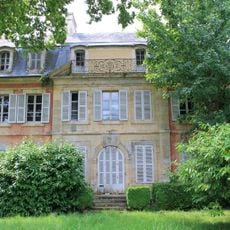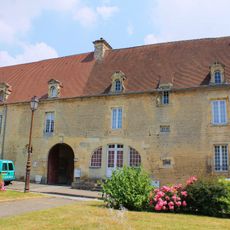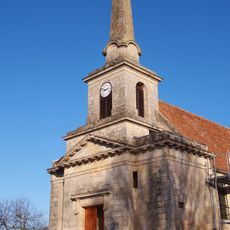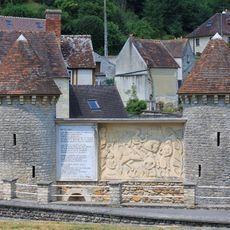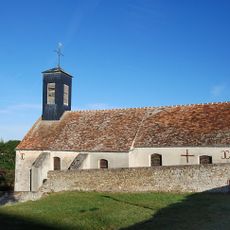
Abbaye de Saint-André-de-Gouffern, 12th-century Cistercian abbey in La Hoguette, France.
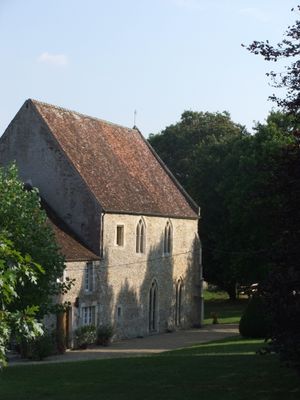
Abbaye de Saint-André-de-Gouffern is a 12th-century Cistercian monastery featuring substantial stone remains with Romanesque walls, Gothic vaults, and columns supporting blind arcades. The ruins are spread across the site, allowing visitors to distinguish different functional areas of the medieval complex.
Guillaume III Talvas, Count of Alençon and Ponthieu, founded the abbey in 1131 on foundations begun by his father Robert de Bellême around 1127. It was dedicated in 1143, became Cistercian in 1147, and founded Tironneau Abbey in 1149. Burned in part in 1356 during the Hundred Years' War, it housed Charles VII in 1450 after the capture of Caen, fell into commendation, and was demolished at the Revolution.
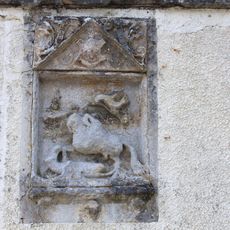
The abbey kept more than 200 seals and counter-seals on its charters since the 12th century, now held in the Calvados archives; they carry the arms of families such as Harcourt, whose two gold bars appear in the abbey's 1696 blazon. The monks ran vineyards in Normandy and Maine through Tironneau and traded cloth in Falaise. Each summer the site hosts exhibitions.
The site is open to visitors during the summer months, allowing close exploration of the ruins and gardens. Sturdy footwear is recommended since the grounds are uneven and you will need to walk between different areas.
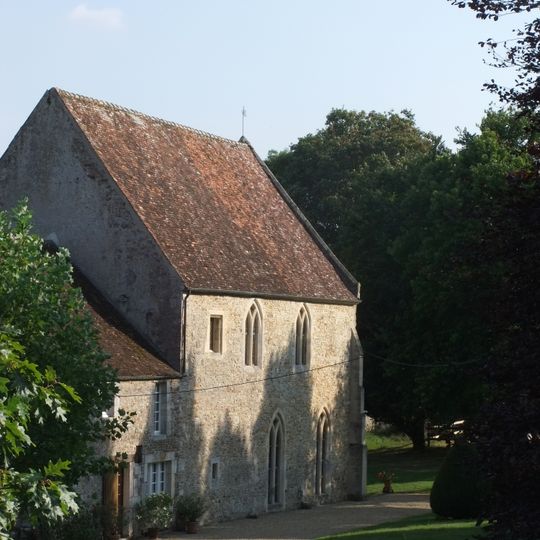
The guest house, built at the start of the 14th century, keeps a medieval roof frame shaped like an upturned ship's hull, once panelled and painted with a false stone pattern and a frieze in red ochre and yellow. Its south gable's tall lancet window has regained its stained glass.
The community of curious travelers
AroundUs brings together thousands of curated places, local tips, and hidden gems, enriched daily by 94,524 contributors worldwide.