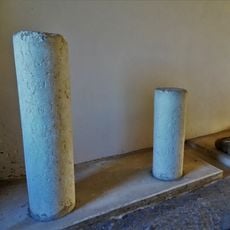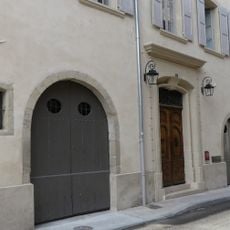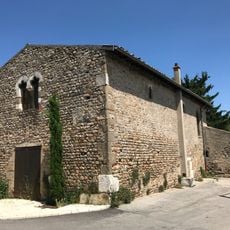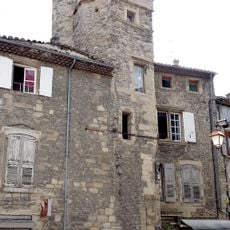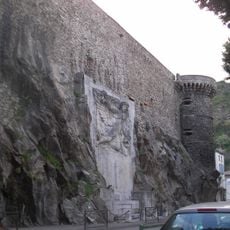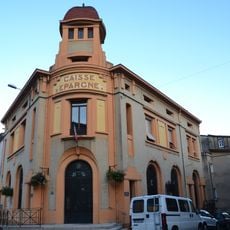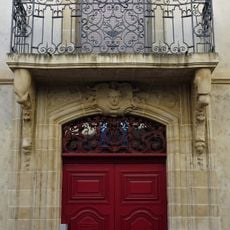
Autel taurobolique de Tain-l'Hermitage, Roman altar in Tain-l'Hermitage, France
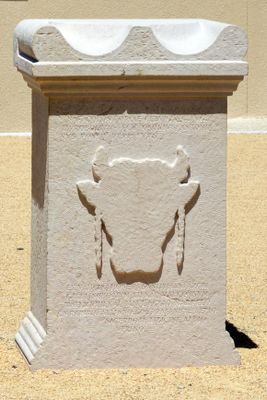
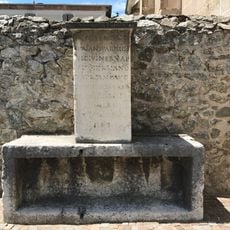
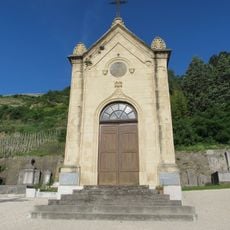
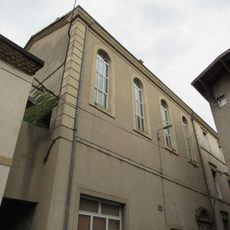
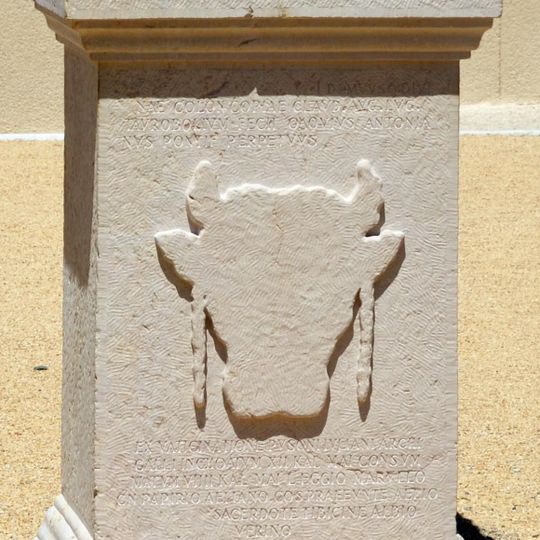
Autel taurobolique de Tain-l'Hermitage is a block of limestone with a rectangular form, set into the wall of a small chapel in the town of Tain-l'Hermitage, France. Its surface shows a worn but legible Latin inscription, and around it the stonework of the chapel frames the altar like a simple stone niche.
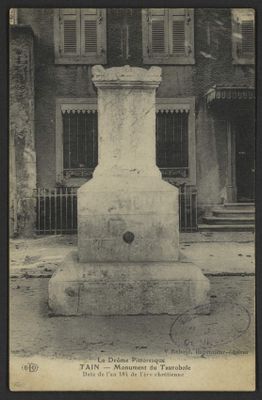
The altar was made in 184 AD to commemorate a bull sacrifice for the health of Emperor Commodus and the colony of Lugdunum. It was found again in the 1500s, used for a time in the wall of a small chapel, and later protected as a monument in 1840 after local people prevented its sale to foreign buyers.
The stone records a taurobolium, a rite in which a bull was sacrificed and a person stood beneath a wooden platform to receive the blood as a form of purification and rebirth. In the town today, two copies of this altar keep the memory of that ritual visible in daily life: one placed in the entrance hall of the mairie and another on the Place du Taurobole.
The altar stands inside a small chapel in the grounds near the town hall, so visitors can see it at close range without difficult walking. The site is compact and easy to reach on foot from the centre, and most people spend only a short while there before continuing to the nearby square or riverfront.
Local memory holds that an ermite once tried to sell the stone to English buyers, but the townspeople gathered and forced its return before it left the area. The altar also raises a quiet puzzle: no traces of a large temple or Roman settlement have been found around it, so some wonder whether the block was brought here from elsewhere, perhaps after a river accident or a long transport.
The community of curious travelers
AroundUs brings together thousands of curated places, local tips, and hidden gems, enriched daily by 92,134 contributors worldwide.