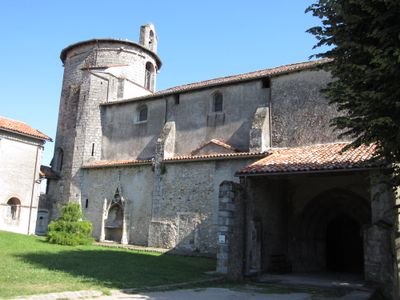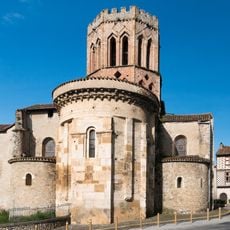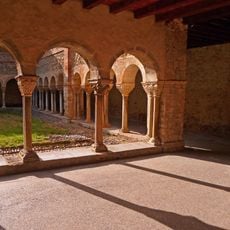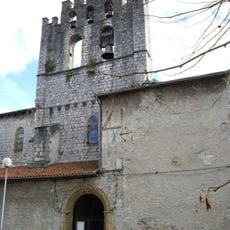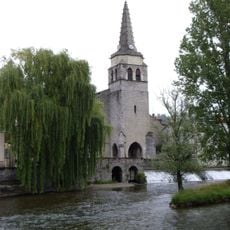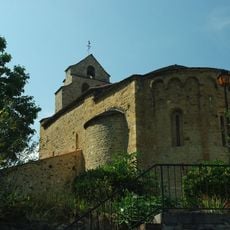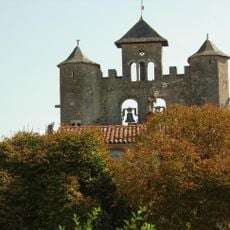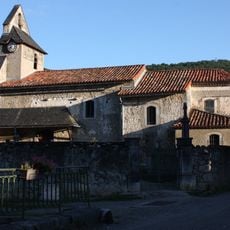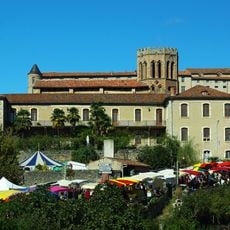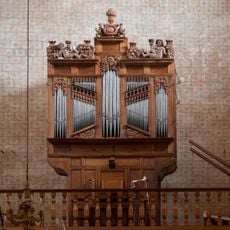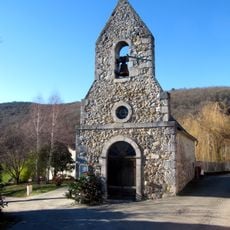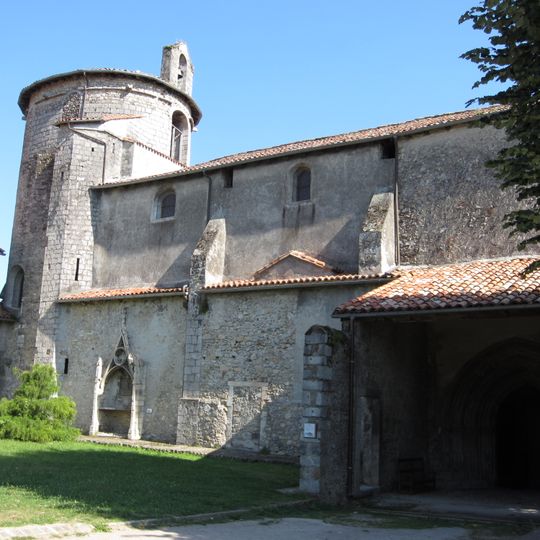
Notre-Dame-de-la-Sède Cathedral, Romanesque cathedral in Saint-Lizier, France.
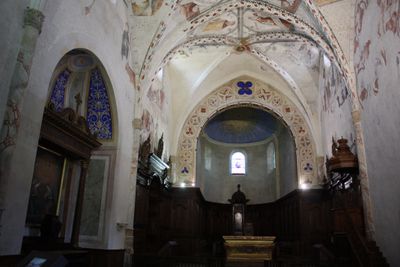
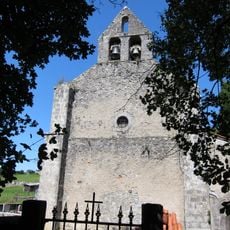
Notre-Dame-de-la-Sède is an 11th-century cathedral in the small town of Saint-Lizier in the Pyrenees, built with a simple single-nave structure whose floor plan appears irregular due to the use of Roman walls as a foundation. The interior is covered with extensive Renaissance wall paintings depicting biblical scenes and religious figures adorning the walls and ceilings.
The cathedral was built in the 11th century and used Roman walls to create its irregular ground structure. Between 1475 and 1515, Bishop Jean d'Aule commissioned Renaissance wall paintings that were later revealed during restoration campaigns between 2003 and 2010.
The cathedral displays murals depicting the sons of Jacob and ancient Sibyls, with Latin inscriptions conveying messages about the arrival of the Savior. These images shape the interior space and tell of medieval religious beliefs.
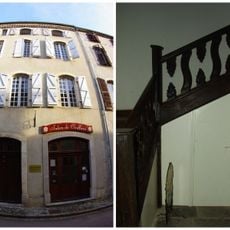
The building is part of the Departmental Museum of the Bishops' Palace and can be visited with guided tours that explain the architecture and artistic works. Access is through the adjoining museum building, which also offers insights into the history of the place.
The building rests partly on Roman walls that were discovered during excavations and are now visible as the foundation beneath the church nave. This ancient base gives the cathedral a special character and connects two different historical periods in one place.
The community of curious travelers
AroundUs brings together thousands of curated places, local tips, and hidden gems, enriched daily by 91,942 contributors worldwide.