Château de La Ferté-Vidame, Classical castle ruins in La Ferté-Vidame, France
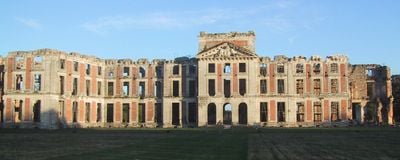
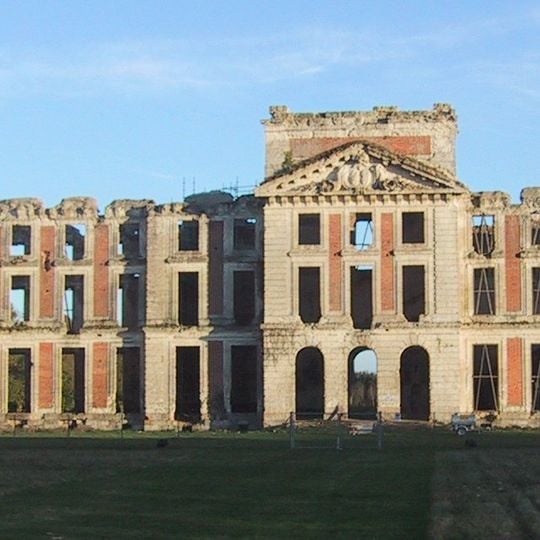
Château de La Ferté-Vidame is a ruined castle in La Ferté-Vidame, Eure-et-Loir. Its surviving facade is a single flat row: a higher central section with a triangular pediment carved with figures, a dark rectangular recess and a band of reddish brick, and three tall arched openings at the base. Two matching wings of pale stone and reddish brick panels hold empty rectangular windows, some with pale stone crosses.
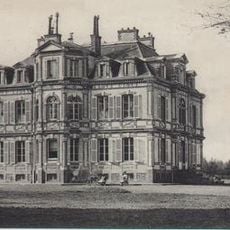
The castle was originally built in the 14th century and later completely redesigned in 1771 by architect Antoine Matthieu Le Carpentier. The French Revolution brought severe damage that marked the end of its role as a noble residence.
The château's name comes from the title vidame de Chartres, held by the Vendôme family who rebuilt it after 1374 and attached to the seigneurie when Jean-Joseph de Laborde bought it in 1764. Louis de Rouvroy, duc de Saint-Simon, wrote most of his Mémoires while staying in the medieval fortress with its eight towers, known from Louis-Nicolas Van Blarenberghe's gouaches painted around 1750 and kept in a Boston museum.
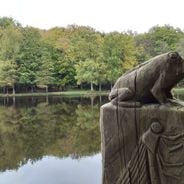
The grounds are open to visitors, though access to the ruins themselves is restricted for safety reasons. Walking paths through the parkland allow you to see the exterior of the structures and explore the wider estate.
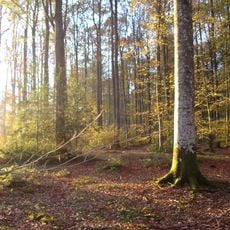
In 1923 Christian Vieljeux sold most of the estate to the Société André Citroën, which set up its test centre there; the remaining part passed to the Ministry of Justice in 1945. The forest and park thus passed from hunting ground to vehicle testing and then to a social rehabilitation work, closed in 1979.
The community of curious travelers
AroundUs brings together thousands of curated places, local tips, and hidden gems, enriched daily by 94,757 contributors worldwide.