Wall of Philip II Augustus, Paris, oldest city wall of Paris, France
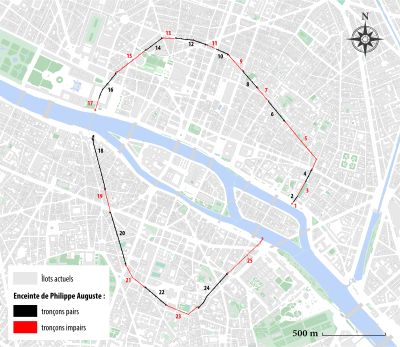
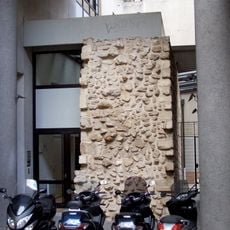
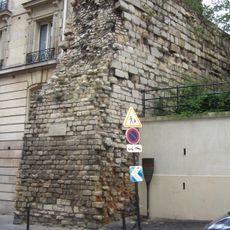
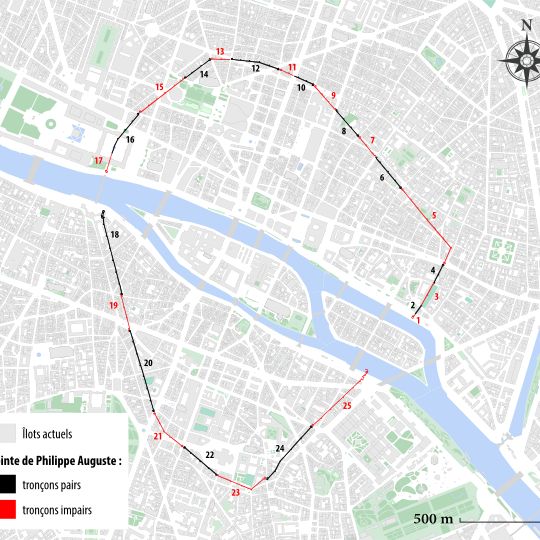
The Wall of Philip II Augustus was a medieval fortification that surrounded Paris starting in the 12th century and expanded the city's territory. Built from stone blocks with defensive gates at key entry points, it has been demolished over time and only fragments remain visible today in various parts of the city.
Construction began in 1190 under King Philip II Augustus and represented one of the first large-scale fortifications of its kind in Western Europe. Over the following centuries it was expanded and rebuilt, but lost strategic importance by the 16th century and was eventually dismantled.
The wall was part of medieval Paris's defensive identity and shaped how residents understood their city as a protected fortress. Today, scattered remains remind visitors of how this structure once defined the boundary between the city and the outside world.
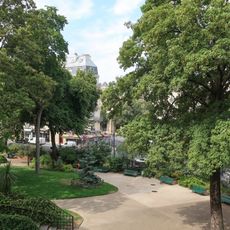
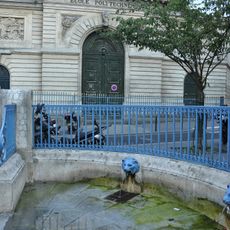
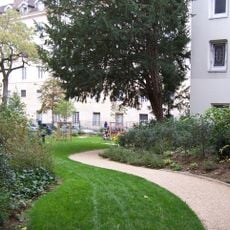
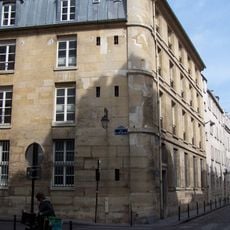
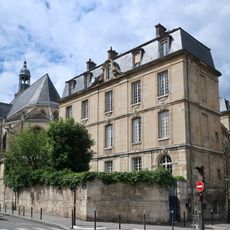
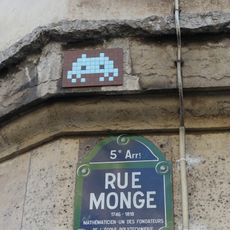
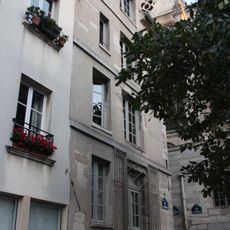
The remains are scattered throughout the city and visible at several locations, including museums and preserved wall sections at different sites. Visiting multiple locations helps you understand the full scope and layout of this medieval fortification system.
This fortification system was revolutionary for its time and served as a model for many other European cities that later built similar defenses. Its innovative design with flanking towers set new standards for medieval military architecture.
The community of curious travelers
AroundUs brings together thousands of curated places, local tips, and hidden gems, enriched daily by 90,924 contributors worldwide.